Regulatory Compliance in Laboratories: Understanding ISO/IEC Standards and Their Impact on Chemiluminescence Consumables
In the realm of laboratory testing, regulatory compliance is crucial for ensuring the accuracy and reliability of results. This article focuses on ISO/IEC standards, specifically how they affect chemiluminescence consumables and laboratory practices. With a deep dive into the requirements of ISO 17025 and other relevant standards, we will explore how various consumables contribute to compliance and quality assurance in clinical diagnostics.
Understanding ISO/IEC Standards in Laboratory Settings
ISO/IEC standards provide frameworks for quality management systems within laboratories, ensuring that processes lead to accurate and reliable results. Among these, ISO 17025 is particularly significant as it outlines the requirements for the competence of testing and calibration laboratories. Compliance with these standards is often verified through regular audits, which assess not only the laboratory's processes but also the quality of consumables used in testing.
ISO 17025: A Cornerstone for Laboratory Quality
ISO 17025 sets the groundwork for laboratories, emphasizing the importance of valid results through appropriate methodology and equipment. It requires that personnel are competent, equipment is calibrated, and procedures are documented effectively. Additionally, the standard mandates that laboratories maintain traceability of results, which is where chemiluminescence consumables play a pivotal role.
Role of Chemiluminescence Consumables in Compliance
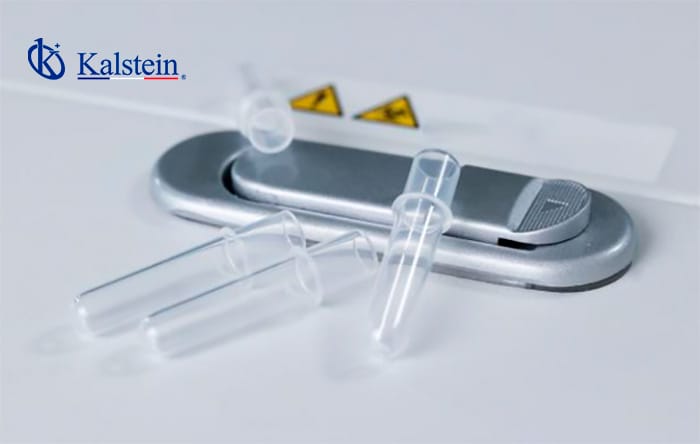
Chemiluminescence consumables are integral to various testing methodologies, particularly in immunoassays. Their proper usage aids laboratories in complying with quality standards as set out by ISO 17025. For example, the Reaction Cuvette YRA400 is designed for CLIA analyzers, helping ensure that the testing environment meets regulatory standards for diagnostic accuracy.
Comparison of Available Models
| Model | ISO/IEC Clauses Covered | Traceability Features | Best For |
|---|---|---|---|
| YRA400 | ISO 17025 | CE Certification, ISO 13485 | CLIA Analyzers |
| YRA401 | ISO 17025 | Batch Tracking | Clinical Immunoassays |
| YRA402 | ISO 17025 | Expiration Dates | Quantitative ALP Detection |
| YRA404 | ISO 17025 | Lot Number Tracking | Point Of Care Testing |
Key Compliance Metrics for Chemiluminescence Consumables
When assessing the compliance of chemiluminescence consumables with ISO/IEC standards, certain metrics come into play. These metrics include documentation accuracy, traceability of results, and performance validation. The following table illustrates these metrics for the models analyzed in this article:
| Model | Documentation Accuracy | Traceability | Performance Validation |
|---|---|---|---|
| YRA400 | High | CE Certified | Validated for CLIA |
| YRA401 | Medium | Batch Number Traceable | Regular Checks |
| YRA402 | High | Expiration Dates | Stability Tested |
| YRA404 | Medium | Lot Tracking | Validated for POC |
Common Mistakes and How to Avoid Them
Laboratories often face challenges in maintaining compliance with ISO/IEC standards due to various common mistakes. One frequent error is improper documentation of procedures and results, which can lead to significant discrepancies in compliance audits. Another mistake is neglecting the proper storage conditions for consumables, which can compromise their effectiveness and, consequently, the reliability of test results.
Ensuring Proper Documentation
To avoid documentation errors, laboratories should implement robust document control systems. This includes regular training for personnel on the importance of keeping accurate records, as well as routine checks to ensure compliance with ISO 17025. For instance, using consumables like the System Washing Solution YRA401 ensures chemical cleanliness, making documentation easier and more reliable.
Adhering to Storage Guidelines
In terms of storage, each consumable has specific requirements—for example, the Substrate YRA402 should be stored at 2-8°C and protected from sunlight. Failure to adhere to these guidelines can violate ISO standards and affect test outcomes. Creating detailed storage procedures can help mitigate these risks.
Frequently Asked Questions
How can chemiluminescence consumables help meet ISO 17025 compliance?
Chemiluminescence consumables such as the Reaction Cuvette YRA400 are designed to support ISO 17025 compliance by ensuring accurate testing results through high-quality materials. These consumables aid in maintaining traceability and validation of tests, critical components of the ISO standard.
What are the documentation requirements for chemiluminescence consumables?
Documentation requirements for chemiluminescence consumables include maintaining accurate records of usage, storage conditions, and performance validations. Models like the System Washing Solution YRA401 have batch tracking capabilities which help meet these documentation needs effectively.
Which ISO/IEC clauses are most relevant for chemiluminescence testing?
ISO 17025 clauses on personnel competence, equipment calibration, and document control are highly relevant for chemiluminescence testing. For example, the Substrate YRA402 supports compliance by providing stable testing reagents that require appropriate documentation of handling and storage.
How do I ensure traceability in my laboratory using consumables?
Ensuring traceability requires using consumables that offer batch tracking and expiration dates. Models like YRA404 provide lot number tracking and are essential for maintaining accurate records, which is a requirement of ISO 17025.
What practices support regulatory compliance in laboratory settings?
Practices that support regulatory compliance include adhering to proper documentation, maintaining equipment calibration, and ensuring proper storage of consumables. Utilizing quality consumables like the Reaction Cuvette YRA400 reinforces these practices by ensuring reliable test results.
What challenges do laboratories face in maintaining ISO compliance?
Laboratories often face challenges such as improper documentation and neglecting the specific storage conditions of consumables. Regular training and adherence to guidelines can help mitigate these challenges and maintain compliance with standards such as ISO 17025.
How often should consumables be audited for compliance?
Consumables should be audited regularly, at least annually or as part of routine ISO 17025 audits. This includes checking the validity of expiration dates and ensuring that storage conditions are maintained, particularly for critical consumables like the Substrate YRA402.
How can I improve the quality of my lab's results with chemiluminescence consumables?
Improving the quality of laboratory results can be achieved by using high-quality chemiluminescence consumables, such as the System Washing Solution YRA401, which ensures the clean separation of reagents. Regular training on their proper use also enhances overall testing accuracy.
If you are looking for a fusion of innovation and quality, you have come to the right place. At Kalstein, we offer you the luxury of exploring our exclusive catalog of laboratory equipment. We manufacture every device to the highest standards of excellence. Our intuitive and seamless online purchasing channels are designed for your convenience, securing the most competitive prices. Hesitate no longer — we bring science to life, it is time to become part of our community.