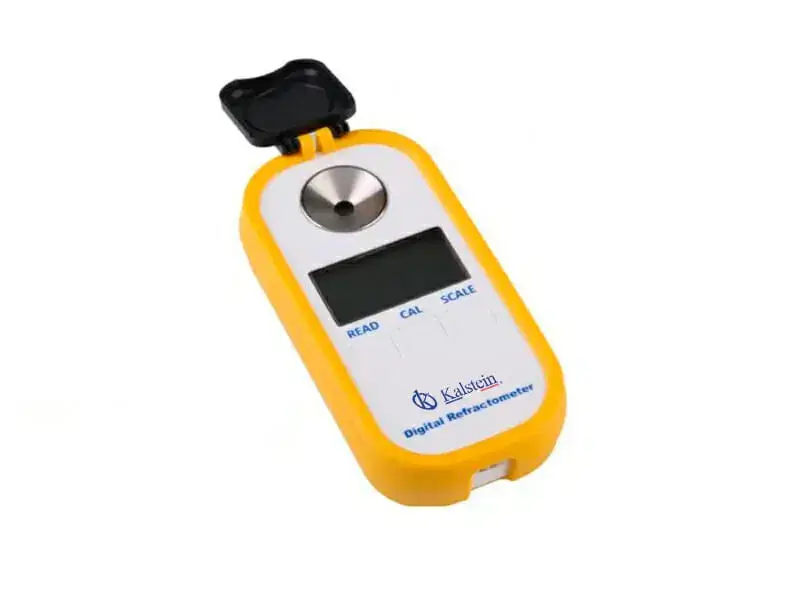
How to Implement Predictive Maintenance and Calibration for Digital BRIX Refractometers
In laboratory settings, the accuracy and reliability of measurements are paramount. Digital BRIX refractometers, key instruments in analyzing the sugar content of various solutions, require a rigorous maintenance and calibration program. This article delves into predictive maintenance strategies and recommended calibration practices, ensuring these instruments perform optimally over time.
Understanding Predictive Maintenance
Predictive maintenance is a proactive approach aimed at anticipating equipment failures before they occur. This is especially critical for digital BRIX refractometers, which are widely used in food and beverage industries for quality control. By leveraging predictive maintenance, laboratories can minimize downtime and extend the lifespan of their instruments.
Key Components of Predictive Maintenance
Implementing predictive maintenance involves monitoring the performance of digital BRIX refractometers through various parameters such as operational hours, usage frequency, and environmental conditions. Regularly collecting data allows for trend analysis, which can indicate potential issues before they escalate.
Calibration Best Practices for Digital BRIX Refractometers
Calibration is essential to ensure that digital BRIX refractometers provide accurate readings. Regular calibration helps labs comply with standards and maintain consistency across measurements. Typically, calibration should be done against certified reference materials to guarantee accuracy.
Recommended Calibration Schedule
A suggested calibration schedule for digital BRIX refractometers includes calibrating before significant testing periods or after any maintenance. It is advisable to maintain a log of calibration dates and results, ensuring traceability and compliance with regulatory demands.
Comparison of Available Models
| Model | Measurement Range | Precision | ATC | Best For |
|---|---|---|---|---|
| YR05944 | Brix: 0.0-50.0% | ±0.2% | Yes | Fruit juices and syrups |
| YR05945 | Brix: 0.0-90.0% | ±0.2% | Yes | Beverage industry |
| YR05946 | 1.3330-1.5177nD | ±0.0003nD | Yes | General refractive index measurements |
| YR05947 | Dextran: 0.0-10.6% | ±0.2% | Yes | Pharmaceutical applications |
| YR05948 | Fructose: 0.0-68.9% | ±0.2% | Yes | Food testing |
| YR05949 | Glucose: 0.0-59.9% | ±0.2% | Yes | Clinical testing |
Common Mistakes and How to Avoid Them
When maintaining digital BRIX refractometers, labs often overlook the importance of consistent calibration and data logging. Common mistakes include skipping routine checks and not recording calibration results, which can lead to inaccurate measurements and compliance issues. Implementing a structured calibration schedule and training staff on best practices can help mitigate these risks.
Frequently Asked Questions
What is the recommended calibration frequency for digital BRIX refractometers?
The calibration frequency for digital BRIX refractometers, such as the YR05944, generally depends on their usage. For high-frequency labs, daily calibration is advised, while less frequent usage may require calibration weekly or monthly. Regular checks help ensure compliance and accuracy.
How can predictive maintenance improve the lifespan of a digital BRIX refractometer?
Predictive maintenance can significantly enhance the lifespan of models like the YR05945 by identifying wear and tear early. Monitoring performance metrics allows for timely interventions before a breakdown occurs, reducing unexpected downtimes and maintenance costs.
Which calibration standards are applicable for digital BRIX refractometers?
Digital BRIX refractometers such as the YR05946 should be calibrated using certified reference materials to comply with ISO 9001 standards. This ensures accurate performance and traceability in laboratory measurements, which is critical for quality control.
What factors should be considered in predictive maintenance for refractometers?
Key factors include operational hours, environmental conditions, and historical performance data. For instance, using data from the YR05947 can help predict potential failures, allowing for proactive maintenance actions that prevent unexpected downtime.
How do temperature fluctuations affect digital BRIX refractometer performance?
Temperature fluctuations can affect accuracy in readings. Models like the YR05948 feature automatic temperature compensation (ATC), which adjusts for temperature variations, maintaining measurement accuracy across a range of conditions.
What are the cost implications of improper calibration for digital BRIX refractometers?
Improper calibration can lead to inaccurate readings, resulting in product quality issues and potential financial losses. For example, using the YR05949 without proper calibration could lead to a miscalculation of glucose levels, impacting product safety and compliance costs.
If you are looking for a fusion of innovation and quality, you have come to the right place. At Kalstein, we offer you the luxury of exploring our exclusive catalog of laboratory equipment. We manufacture every device to the highest standards of excellence. Our intuitive and seamless online purchasing channels are designed for your convenience, securing the most competitive prices. Hesitate no longer — we bring science to life, it is time to become part of our community.