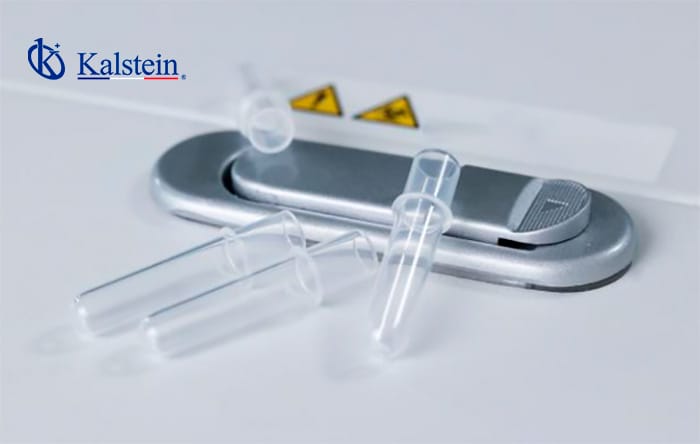
Maximizing ROI and Cost-Benefit Analysis for Chemiluminescence Consumables
In the ever-evolving landscape of laboratory diagnostics, chemiluminescence consumables play a crucial role in ensuring accurate and efficient test results. Maximizing return on investment (ROI) and conducting a thorough cost-benefit analysis is essential for laboratories aiming to enhance their performance while managing costs effectively. This article delves into the significance of ROI and cost-benefit considerations, analyzing various models within the chemiluminescence consumables category.
Understanding ROI in the Context of Chemiluminescence Consumables
Return on investment (ROI) is a critical metric for laboratories to assess the financial efficacy of their consumables. Specifically, for chemiluminescence consumables, ROI can be calculated by comparing the costs associated with the consumables to the financial returns generated through enhanced testing capabilities. By focusing on key indicators such as cost per test, payback period, and overall operational efficiency, labs can make informed decisions about their consumables.
Key Factors Influencing Cost-Benefit Analysis
The cost-benefit analysis for chemiluminescence consumables includes various factors, such as acquisition costs, operational efficiency, and labor costs. Evaluating the cost per test for different models allows laboratories to understand the direct financial impact of each consumable. For instance, a model with a lower cost per test could lead to substantial savings over time, thereby improving ROI.
Comparison of Available Models
| Model | CAPEX (USD) | Cost per Test (USD) | Payback Period (months) | Recommended Scenario |
|---|---|---|---|---|
| YRA400 | 30.00 | 0.03 | 6 | High testing volume |
| YRA401 | 10.00 | 0.03 | 4 | Routine cleaning |
| YRA402 | 22.00 | 0.04 | 8 | Quantitative assays |
| YRA404 | 30.00 | 0.04 | 10 | Pregnancy diagnostics |
Investing in the Right Consumables for Enhanced Productivity
Investing in the right chemiluminescence consumables can lead to improved productivity and efficiency in laboratory operations. The Reaction Cuvette YRA400, for example, is designed for high-volume testing in clinical laboratories, enhancing throughput and minimizing downtime. Understanding the specific applications of each consumable helps labs align their investments with their operational goals efficiently.
Common Mistakes and How to Avoid Them
One common mistake laboratories make is failing to conduct thorough cost analyses before purchasing consumables. This often results in unanticipated expenses and lower ROI. To avoid this, it is vital to assess the total cost of ownership, including maintenance, storage, and disposal costs associated with each consumable model. Additionally, labs should engage in regular reviews of their consumables to ensure they are still meeting performance and cost expectations.
Detailed Cost Analysis: Breaking Down Expenses
To further elucidate the ROI on chemiluminescence consumables, a detailed cost analysis provides clarity. Consider the following table that outlines the expected expenses versus benefits for a typical laboratory.
| Expense Type | Cost (USD) | Benefit (USD) |
|---|---|---|
| Initial Investment | 92.00 | - |
| Monthly Operating Costs | 300.00 | - |
| Revenue from Tests | - | 900.00 |
| Net Gain | - | 508.00 |
Evaluating Long-Term Impacts of Consumable Selection
Choosing the right chemiluminescence consumables not only affects immediate ROI but also has long-term implications for laboratory performance. Regular evaluation of consumables, such as the Substrate YRA402, ensures that labs continue to benefit from advancements in technology. Effective evaluation includes monitoring test results, turnaround times, and reagent stability, leading to informed decisions that enhance overall laboratory productivity.
Frequently Asked Questions
How does ROI on YRA400 impact laboratory operational costs?
The Reaction Cuvette YRA400 offers laboratories a competitive cost per test of $0.03, allowing for a payback period of just 6 months. This efficient pricing structure significantly influences overall ROI by minimizing expenses while maximizing throughput in high-volume testing scenarios.
What is the importance of cost-benefit analysis for YRA401 washing solution?
Using the System Washing Solution YRA401, which costs $10.00, laboratories benefit from a cost-effective solution that enhances cleaning efficiency. Its effective formulation helps ensure accurate results, making the cost-benefit analysis crucial in determining long-term value.
What financial metrics should labs consider for the YRA402 substrate?
The Substrate YRA402, priced at $22.00, entails understanding its cost per test of $0.04 and evaluating the expected return based on the number of tests conducted. Financial metrics such as total cost of ownership and net revenue help in assessing its overall financial viability.
How does YRA404 contribute to early pregnancy diagnostics?
The POCT Consumables Strips YRA404 are essential for early pregnancy diagnostics, allowing labs to charge for tests at a margin that can significantly boost revenue. With an investment of $30.00 per box of 24 tests, understanding its impact on operational profitability is key for strategic planning.
What are the common pitfalls in selecting chemiluminescence consumables?
Common pitfalls include overlooking total costs, such as maintenance and disposal when assessing consumables like the YRA400. Comprehensive cost evaluations ensure laboratories invest wisely and achieve the best ROI over time, avoiding unexpected budget constraints.
How is the performance of chemiluminescence consumables measured in laboratories?
Performance is typically measured using metrics such as the accuracy of test results, turnaround times, and cost per test. Analyzing models like YRA401 for their cleaning efficiency ensures that laboratories maintain high standards of operational performance.
What role does YRA402 play in enhancing assay accuracy?
The Substrate YRA402 is vital in quantitative assays, as it delivers high stability and consistent results. By providing an accurate representation of alkaline phosphatase levels, it significantly impacts laboratory testing accuracy and efficiency.
How can laboratories optimize their consumable usage for better ROI?
To optimize consumable usage, laboratories should implement regular reviews, assess the performance of models like YRA400, and analyze cost per test metrics. This proactive approach allows for adjustments in purchasing strategies and enhances overall ROI.
If you are looking for a fusion of innovation and quality, you have come to the right place. At Kalstein, we offer you the luxury of exploring our exclusive catalog of laboratory equipment. We manufacture every device to the highest standards of excellence. Our intuitive and seamless online purchasing channels are designed for your convenience, securing the most competitive prices. Hesitate no longer — we bring science to life, it is time to become part of our community.