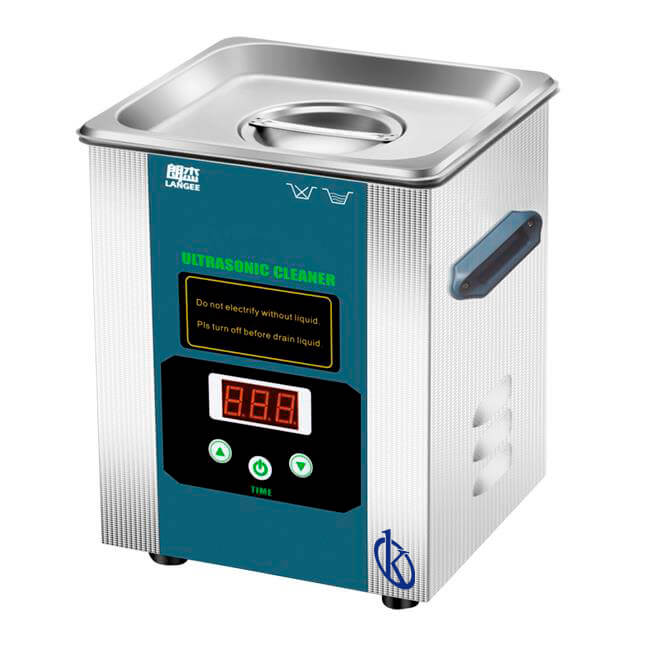
How to Integrate Mechanical Desktop Ultrasonic Cleaners with LIMS for Enhanced Data Flow
In the realm of laboratory operations, the integration of Mechanical Desktop Ultrasonic Cleaners with Laboratory Information Management Systems (LIMS) is transforming data flow and operational efficiency. This article delves into how these integrations work, the benefits they offer, and provides a comparative analysis of various models that best suit laboratory requirements.
Understanding the Role of Mechanical Desktop Ultrasonic Cleaners
Mechanical Desktop Ultrasonic Cleaners utilize ultrasound technology to clean delicate items such as jewelry, optical glasses, and laboratory utensils. The integration with LIMS enhances their functionality by streamlining data management, tracking cleaning cycles, and ensuring compliance with laboratory standards. As these devices become more sophisticated, the need for digital integration becomes imperative to maintain efficiency and accuracy.
Benefits of Integrating with LIMS
Integrating Mechanical Desktop Ultrasonic Cleaners with LIMS provides several advantages, including:
- Improved Data Tracking: Automating data capture and management for cleaning cycles, reagent usage, and maintenance schedules.
- Regulatory Compliance: Ensuring adherence to industry standards and regulations through documented cleaning processes.
- Enhanced Workflow Efficiency: Reducing manual data entry and human errors, allowing lab personnel to focus on critical tasks.
- Real-time Monitoring: Leveraging LIMS to track equipment performance and usage statistics, thereby optimizing operations.
Key Considerations for LIMS Integration
When considering the integration of Mechanical Desktop Ultrasonic Cleaners with LIMS, several factors must be taken into account:
- Data Compatibility: Ensure the ultrasonic cleaner can communicate effectively with the LIMS.
- Protocol Support: Check for compatibility with popular data protocols such as HL7 or ASTM.
- Integration Complexity: Evaluate the ease of integration and the required technical resources.
- Feedback Mechanisms: Implement systems for real-time feedback on cleaning processes.
Comparison of Available Models
| Model | Tank Capacity (L) | Ultrasonic Frequency (kHz) | Power (W) | Price (USD) | Best for |
|---|---|---|---|---|---|
| YR05207 | 1.3 | 40 | 70 | 43.00 | Jewelry and delicate items |
| YR05202 | 11 | 40/80/120 | 240 | 540.00 | Laboratory and medical applications |
| YR05203 | 15 | 40/80/120 | 360 | 640.00 | Laboratory and medical use |
| YR05204 | 20 | 40/80/120 | 360 | 680.00 | Laboratory applications |
| YR05205 | 22 | 40/80/120 | 480 | 760.00 | Medical and laboratory cleaning |
| YR05206 | 30 | 40/80/120 | 600 | 810.00 | High-capacity laboratory use |
Common Mistakes and How to Avoid Them
While integrating Mechanical Desktop Ultrasonic Cleaners with LIMS, laboratories often encounter pitfalls that can hinder the process. Some common mistakes include:
- Neglecting Training: Ensure staff are adequately trained on both the ultrasonic cleaner and the LIMS software.
- Ignoring Data Security: Implement robust cybersecurity measures to protect sensitive data.
- Overlooking Compliance Checks: Regularly verify that cleaning processes align with industry standards.
- Failing to Customize: Tailor the integration to meet specific laboratory requirements for optimal performance.
Frequently Asked Questions
How does LIMS integration enhance the efficiency of ultrasonic cleaners in laboratories?
LIMS integration enhances the efficiency of ultrasonic cleaners by automating data capture for cleaning cycles, ensuring real-time monitoring, and facilitating regulatory compliance. For instance, the YR05206 model, with its 30-liter capacity and 600W power, can efficiently document and report cleaning activity, reducing manual entry errors and optimizing workflows.
What are the key specifications to look for when choosing a mechanical desktop ultrasonic cleaner?
When choosing a mechanical desktop ultrasonic cleaner, key specifications include tank capacity, ultrasonic frequency, power output, and compatibility with LIMS. Models like YR05202, which supports multiple frequencies (40/80/120 kHz), are ideal for diverse laboratory applications, ensuring effective cleaning across various tasks.
Which ultrasonic cleaner models integrate best with LIMS for laboratory data management?
Models such as YR05203 and YR05206 are designed for optimal LIMS integration, featuring advanced power outputs and significant tank capacities. The YR05206 model, with a capacity of 30 liters and 600W, allows for extensive usage in high-throughput labs requiring robust data management capabilities.
How can I ensure compliance with industry standards using ultrasonic cleaners?
To ensure compliance with industry standards, utilize ultrasonic cleaners equipped with digital records and LIMS integration. Models like YR05202, designed for laboratory and medical applications, help ensure that all cleaning processes are documented and traceable, thus adhering to necessary regulations.
What are the typical costs associated with integrating ultrasonic cleaners into a LIMS?
The typical costs for integrating ultrasonic cleaners into a LIMS can vary based on model and required implementation efforts. For example, the YR05204 model priced at $680 may incur additional costs for software integration and training, so budgeting for these aspects is crucial.
How does ultrasonic frequency affect cleaning efficiency in laboratory applications?
Ultrasonic frequency directly impacts cleaning efficiency, with lower frequencies suitable for tough residues while higher frequencies are ideal for delicate items. Models like the YR05203, offering frequencies of 40/80/120 kHz, provide versatility for various laboratory cleaning needs, ensuring optimal results without damaging sensitive materials.
What maintenance practices should be implemented for ultrasonic cleaners to ensure longevity?
Regular maintenance practices for ultrasonic cleaners include cleaning the tank, checking ultrasonic transducers, and monitoring power levels. By following a scheduled maintenance routine, especially for high-capacity models like the YR05206, laboratories can ensure continuous performance and extend the equipment's lifespan.
How can I optimize workflow efficiency using ultrasonic cleaners in a lab setting?
Optimizing workflow efficiency using ultrasonic cleaners involves automating data entry through LIMS integration, scheduling regular cleaning cycles, and training staff on effective usage. Implementing models like the YR05205 can facilitate these practices, ensuring that cleaning processes contribute positively to overall lab productivity.
If you are looking for a fusion of innovation and quality, you have come to the right place. At Kalstein, we offer you the luxury of exploring our exclusive catalog of laboratory equipment. We manufacture every device to the highest standards of excellence. Our intuitive and seamless online purchasing channels are designed for your convenience, securing the most competitive prices. Hesitate no longer — we bring science to life, it is time to become part of our community.