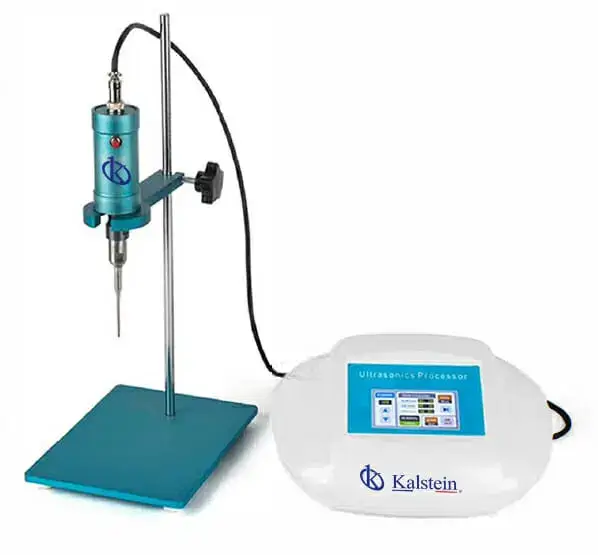
How to Choose an Ultrasonic Homogenizer for Effective LIMS Integration?
In modern laboratories, the integration of instruments with Laboratory Information Management Systems (LIMS) is essential for optimizing workflows and data accuracy. Ultrasonic homogenizers, known for their versatility in processing liquids, play a crucial role in enhancing data flow and operational efficiency when integrated with LIMS. This article delves into the features and specifications of various ultrasonic homogenizers, their applications in LIMS, and best practices for ensuring seamless integration.
Understanding Ultrasonic Homogenizers and Their Role in Laboratories
Ultrasonic homogenizers utilize ultrasonic waves to create cavitation effects within liquids, leading to effective dispersion, emulsification, and cell disruption. These instruments are widely used in biological, chemical, and material science labs for tasks such as sample preparation and homogenization of viscous solutions. The integration with LIMS allows for real-time data capture, standardized protocols, and streamlined reporting, which enhances both productivity and compliance with laboratory standards.
Key Features of Ultrasonic Homogenizers for LIMS Integration
When selecting an ultrasonic homogenizer, several features are pivotal for effective LIMS integration. These include:
- Automation and Control: Models with advanced digital control systems enable automated data logging and user-friendly interfaces for real-time monitoring.
- Connectivity Options: Instruments that support various communication protocols (e.g., Ethernet, USB) facilitate easier integration with existing LIMS setups.
- Data Handling Capabilities: Features allowing for batch processing and sample tracking help meet laboratory compliance and traceability requirements.
- Scalability: Choosing a model that allows for expansion or upgrades ensures longevity in a rapidly evolving laboratory environment.
Comparative Analysis: Ultrasonic Homogenizer Models
| Model | Power (W) | Capacity (ml) | Frequency (KHz) | Best for |
|---|---|---|---|---|
| YR05829 | 5-150 | 0.1-50 | 19-25 | Small sample processing |
| YR05830 | 5-250 | 0.5-100 | 19-25 | Medium sample volumes |
| YR05831 | 5-400 | 0.5-300 | 19-25 | Large sample homogenization |
| YR05831-op1 | 5-400 | 0.5-300 | 19-25 | Field and lab use |
| YR05831-op2 | 5-400 | 0.5-300 | 19-25 | Budget-friendly operations |
| YR05832 | 650 | 0.2-500 | 20-25 | High-capacity applications |
Common Mistakes and How to Avoid Them
Choosing the right ultrasonic homogenizer for LIMS integration involves avoiding common pitfalls:
- Neglecting Compatibility: Always verify that the homogenizer's data output format aligns with your LIMS requirements.
- Overlooking Training Needs: Ensure your team is adequately trained on both the homogenizer and LIMS functionalities to maximize efficiency.
- Ignoring Maintenance Protocols: Regular maintenance is crucial for reliable performance; follow manufacturer guidelines to prevent downtime.
Frequently Asked Questions
How does the YR05829 ultrasonic homogenizer integrate with LIMS systems?
The YR05829 ultrasonic homogenizer can integrate with LIMS via digital interfaces, allowing data logging and real-time monitoring, which streamlines workflows and ensures traceability.
What are the optimal uses for the YR05830 ultrasonic homogenizer in a laboratory setting?
The YR05830 is ideal for medium-sized sample volumes in laboratories needing efficient emulsification and homogenization while maintaining accurate data management within a LIMS.
Which ultrasonic homogenizers support automated data transfer to LIMS?
Models like the YR05831 and YR05832 have advanced digital controls that support automated data transfer, making them highly suitable for LIMS integration in laboratories.
What factors should I consider when integrating ultrasonic homogenizers with LIMS?
Key factors include data compatibility, communication protocols, and the homogenizer's automation features, which greatly impact the efficiency of LIMS integration.
How can the YR05831 model enhance laboratory workflow with LIMS?
The YR05831 model enhances laboratory workflow by offering high power and capacity, allowing faster sample processing which integrates efficiently into LIMS for improved data management.
What maintenance practices improve the longevity of ultrasonic homogenizers in a lab?
Regular maintenance practices such as cleaning, calibration, and software updates are essential for maintaining performance and reliability of ultrasonic homogenizers like the YR05830.
Which ultrasonic homogenizer is best for high-capacity applications with LIMS integration?
The YR05832 is particularly suited for high-capacity applications, providing efficient processing while seamlessly integrating with LIMS for effective data management.
How do ultrasonic homogenizers improve compliance with laboratory standards?
Ultrasonic homogenizers like the YR05831 offer features that facilitate traceability and data integrity, crucial for meeting laboratory compliance standards when integrated with LIMS.
If you are looking for a fusion of innovation and quality, you have come to the right place. At Kalstein, we offer you the luxury of exploring our exclusive catalog of laboratory equipment. We manufacture every device to the highest standards of excellence. Our intuitive and seamless online purchasing channels are designed for your convenience, securing the most competitive prices. Hesitate no longer — we bring science to life, it is time to become part of our community.