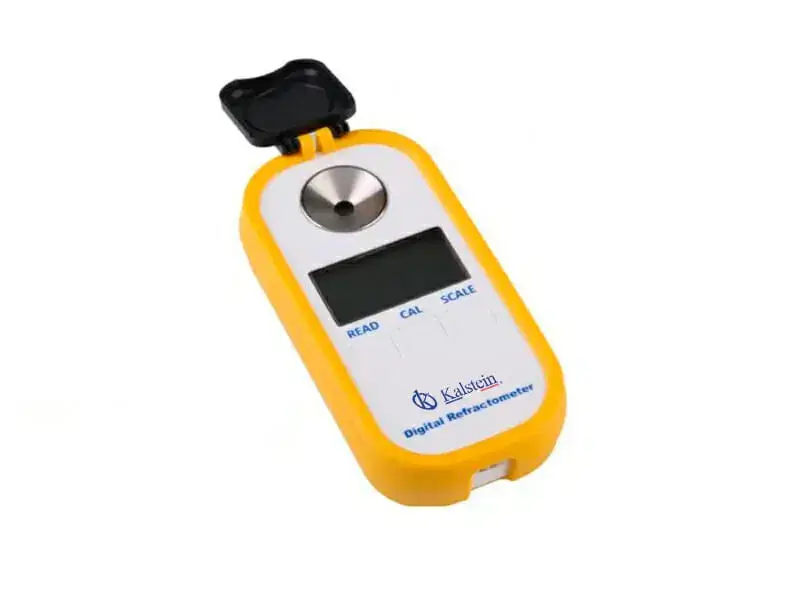
How Digital BRIX Refractometers Contribute to Energy Sustainability and Environmental Footprint Reduction
In the modern laboratory landscape, the emphasis on energy sustainability and minimizing environmental footprints has become paramount. Digital BRIX refractometers, essential tools for measuring the concentration of soluble solids in various solutions, are not just valuable for their technical capabilities but also offer significant benefits in terms of energy efficiency and environmental conservation. This guide will delve into how the adoption of these devices can lead to substantial sustainability gains in laboratory practices.
Understanding the Importance of Energy Sustainability in Laboratories
Laboratories are often high-energy environments, consuming large amounts of electricity and resources. As institutions strive to meet environmental regulations and sustainability goals, the need for energy-efficient solutions has surged. Digital BRIX refractometers play a vital role in this context. By optimizing the measurement processes and incorporating features like automatic temperature compensation, they significantly reduce energy consumption, contributing to overall sustainability efforts.
Overview of Digital BRIX Refractometers
Digital BRIX refractometers are designed to measure the concentration of soluble solids, primarily sugars, in liquid solutions. These instruments are pivotal in various industries, including food and beverage, pharmaceuticals, and agriculture. The key models in this category include:
- YR05944: Best for measuring Brix concentration up to 50% with automatic temperature compensation (ATC).
- YR05945: Suitable for higher Brix concentrations of up to 90% and also equipped with ATC.
- YR05946: Provides a wide range of refractive index measurements, ideal for a variety of applications.
- YR05947: Tailored for dextran solutions, making it critical in specific food and pharmaceutical applications.
- YR05948: Perfect for fructose measurements, useful in beverage production.
- YR05949: Focused on glucose concentration, crucial in medical and food analysis.
Energy Consumption and Efficiency of Digital BRIX Refractometers
One of the primary factors in enhancing energy sustainability is understanding the energy consumption of laboratory equipment. Digital BRIX refractometers minimize energy use through precision engineering and advanced technology:
| Model | Measurement Range | Power Consumption (Watts) | Efficiency Features |
|---|---|---|---|
| YR05944 | 0.0-50.0% Brix | 5 | Automatic temperature compensation |
| YR05945 | 0.0-90.0% Brix | 5 | Automatic temperature compensation |
| YR05946 | 1.3330-1.5177nD | 5 | High precision measurement |
| YR05947 | 0.0-10.6% Dextran | 5 | Compact design |
| YR05948 | 0.0-68.9% Fructose | 5 | Fast measurement time |
| YR05949 | 0.0-59.9% Glucose | 5 | User-friendly interface |
These models show low power consumption but high measurement accuracy, making them ideal for laboratories aiming to reduce both energy costs and environmental impact.
Comparative Analysis of Digital BRIX Refractometers
When selecting a digital BRIX refractometer, it is crucial to understand how different models stack up against each other concerning energy sustainability features and application suitability. The following table summarizes the key specifications and best use cases:
| Model | Energy Efficiency Features | Best Used For | Price (USD) |
|---|---|---|---|
| YR05944 | ATC, low power | Fruit juices, soft drinks | 76.00 |
| YR05945 | ATC, low power | Syrups, high-sugar beverages | 95.00 |
| YR05946 | High precision, low power | General laboratory use | 95.00 |
| YR05947 | Compact design | Food industry (dextran) | 95.00 |
| YR05948 | Fast measurement | Beverage industry (fructose) | 95.00 |
| YR05949 | User-friendly interface | Medical analysis (glucose) | 95.00 |
Choosing the right model not only enhances operational efficiency but also aligns with the sustainability goals of modern laboratories.
Common Mistakes and How to Avoid Them
Adopting digital BRIX refractometers can significantly contribute to energy sustainability, but common mistakes can hinder their effectiveness:
- Neglecting Calibration: Regular calibration ensures accuracy and reduces waste. Always follow the manufacturer’s scheduling recommendations.
- Ignoring Energy Consumption: Consider the total energy costs associated with each model. Opt for those with features that promote lower power usage.
- Overlooking Application Suitability: Select models based on specific application requirements. Each model has its strengths based on the type of solution being analyzed.
Frequently Asked Questions
How can digital BRIX refractometers reduce the environmental footprint in labs?
Digital BRIX refractometers, like the YR05944, help laboratories minimize waste and energy consumption through features like automatic temperature compensation, reducing the need for manual adjustments that consume extra resources.
What is the energy efficiency of the YR05945 digital BRIX refractometer?
The YR05945 model operates with low power consumption, typically around 5 watts, making it an energy-efficient choice for measuring Brix levels in high-sugar solutions.
Which model is best for high-fructose solutions and energy savings?
The YR05948 digital BRIX refractometer is specifically designed for fructose solutions and incorporates features that enhance measurement efficiency, supporting energy-saving initiatives in laboratories.
How does the YR05946 model help in energy conservation?
The YR05946 model features high precision and low energy usage, ensuring that laboratory processes remain efficient while maintaining accuracy, thus contributing to overall sustainability efforts.
What are the best practices for using digital BRIX refractometers sustainably?
Best practices include regular calibration, choosing energy-efficient models like YR05944, and ensuring the right model is used for specific applications to minimize waste and maximize efficiency.
What sustainability certifications should labs consider for their equipment?
Labs should look for equipment that meets standards like ENERGY STAR or EPEAT to ensure they are investing in energy-efficient technologies that contribute to sustainability goals.
Conclusion
Digital BRIX refractometers represent a convergence of advanced measurement technology and energy sustainability. By selecting the right model and implementing best practices, laboratories can significantly reduce their environmental footprint while enhancing operational efficiency. Investing in energy-efficient equipment is not only beneficial for compliance with regulations but also contributes to the broader goal of environmental responsibility.
If you are looking for a fusion of innovation and quality, you have come to the right place. At Kalstein, we offer you the luxury of exploring our exclusive catalog of laboratory equipment. We manufacture every device to the highest standards of excellence. Our intuitive and seamless online purchasing channels are designed for your convenience, securing the most competitive prices. Hesitate no longer — we bring science to life, it is time to become part of our community.