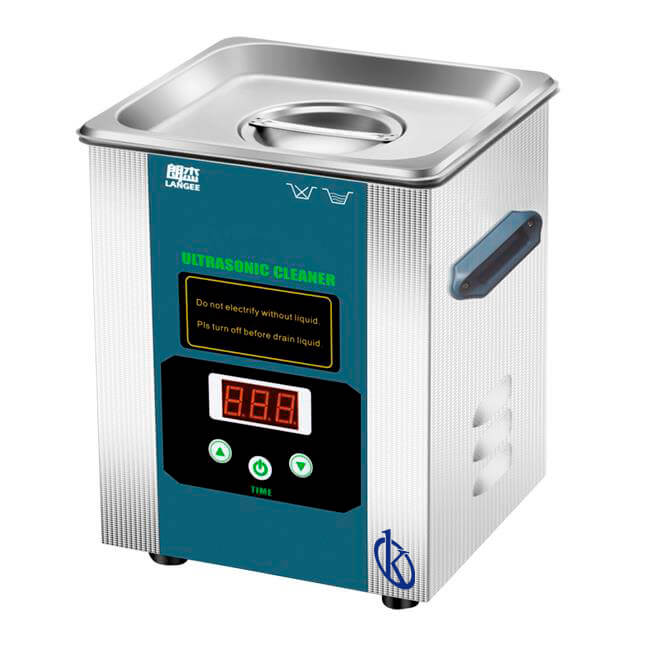
Comparative Analysis of Mechanical Desktop Ultrasonic Cleaners: Why Choose One Over Alternative Technologies?
The demand for effective cleaning solutions in laboratory and industrial settings has led to the evolution of Mechanical Desktop Ultrasonic Cleaners. These devices utilize ultrasonic waves to generate cavitation bubbles, which effectively clean delicate items such as jewelry, laboratory instruments, and electronics. This article examines multiple models of Mechanical Desktop Ultrasonic Cleaners and compares their features and applications against alternative cleaning technologies.
Understanding Mechanical Desktop Ultrasonic Cleaners
Mechanical Desktop Ultrasonic Cleaners operate by emitting high-frequency sound waves through a liquid. This process generates microscopic bubbles that implode, creating a scrubbing effect on surfaces. This technology is particularly effective for cleaning intricate components that might be damaged by traditional cleaning methods. The specific parameters such as frequency, tank capacity, and power output are crucial when selecting a cleaner suited for particular laboratory tasks.
Comparison of Available Models
| Model | Tank Capacity (L) | Ultrasonic Frequency (kHz) | Power (W) | Best For | Price (USD) |
|---|---|---|---|---|---|
| YR05207 | 1.3 | 40 | 70 | Jewelry and Delicate Items | 43.00 |
| YR05202 | 11 | 40/80/120 | 240 | Laboratory and Medical Applications | 540.00 |
| YR05203 | 15 | 40/80/120 | 360 | Laboratory Use with Larger Components | 640.00 |
| YR05204 | 20 | 40/80/120 | 360 | General Laboratory Cleaning | 680.00 |
| YR05205 | 22 | 40/80/120 | 480 | Heavy-Duty Cleaning in Industrial Settings | 760.00 |
| YR05206 | 30 | 40/80/120 | 600 | High-Volume Laboratory Needs | 810.00 |
Common Mistakes and How to Avoid Them
Selecting the wrong ultrasonic cleaner can lead to inefficiency and damage to delicate items. One common mistake is neglecting to consider the frequency and power requirements of the cleaning task. Higher frequencies are suited for delicate items, while lower frequencies are better for heavy-duty cleaning. For example, the YR05202 model with its adjustable frequency is ideal for laboratories that handle various cleaning tasks. Ensure that the tank capacity also meets your lab's volume needs to avoid underperformance.
Comparative Analysis of Ultrasonic Cleaners vs Alternative Technologies
When comparing ultrasonic cleaners to alternative cleaning technologies such as chemical cleaning or traditional scrubbing, ultrasonic cleaners offer significant advantages, including thorough cleaning of hard-to-reach areas and less risk of damaging sensitive components. For instance, the YR05203 model, with its 15-liter capacity and 360W power, provides a more efficient clean for intricate laboratory components compared to chemical methods, which can leave residues or cause corrosion.
Factors to Consider When Choosing an Ultrasonic Cleaner
Understanding the specific needs of your laboratory is essential when choosing an ultrasonic cleaner. Factors include the types of items being cleaned, desired cleaning speed, and the potential for future needs. Models like YR05206, with high capacity and power, cater to laboratories anticipating growth or increased cleaning demands. Prioritizing frequency, tank size, and heater options can greatly enhance cleaning efficiency.
Operational Efficiency and Maintenance of Ultrasonic Cleaners
Operational efficiency is paramount for laboratory productivity. Regular maintenance such as cleaning the tank and checking the ultrasonic transducers can prolong the equipment's lifespan. Additionally, understanding the cleaning cycles and ensuring the right temperature can optimize the cleaning process. For example, the YR05204 model is designed for ease of use, allowing users to focus on cleaning rather than maintenance.
Integrating Ultrasonic Cleaners into Laboratory Workflow
Integrating ultrasonic cleaners into existing laboratory workflow can enhance cleaning productivity. By strategically placing units like the YR05205 in high-traffic areas, labs can streamline processes and reduce downtime. It's essential to train staff on proper usage and safety protocols to maximize the efficiency of the ultrasonic cleaners.
Frequently Asked Questions
What cleaning tasks are best suited for the YR05207 ultrasonic cleaner?
The YR05207 ultrasonic cleaner is ideal for delicate items such as jewelry and eyeglasses. Its small tank capacity of 1.3 liters and 40 kHz frequency ensure a gentle yet effective cleaning process, making it suitable for sensitive components that cannot withstand harsher cleaning methods.
How can I ensure effective cleaning with the YR05202 ultrasonic cleaner?
To achieve effective cleaning with the YR05202 model, ensure the correct setup for the cleaning task, including selecting the appropriate frequency (40/80/120 kHz) based on the items' cleaning needs. Regular maintenance and monitoring the heater temperature also play a crucial role in enhancing cleaning efficiency.
Why is the frequency important in ultrasonic cleaning?
The frequency is vital in ultrasonic cleaning as it determines the cavitation bubble size and cleaning power. Higher frequencies, like those found in the YR05203 model (up to 120 kHz), provide a gentler cleaning action, ideal for delicate items, while lower frequencies are better for robust cleaning tasks.
What is the best practice for using YR05204 in a laboratory setting?
Best practices for using the YR05204 ultrasonic cleaner include pre-soaking heavily soiled items, selecting the appropriate cleaning solution, and adhering to the recommended cleaning cycle times. This model's versatility makes it suited for various laboratory cleaning tasks, ensuring optimal results.
How do I maintain the YR05206 ultrasonic cleaner for longevity?
Maintaining the YR05206 involves regularly inspecting the tank for residues and cleaning it thoroughly after use. Additionally, ensuring the ultrasonic transducers are functioning correctly and avoiding overloading the tank are key steps to extend the equipment's lifespan.
What safety measures should I take when using ultrasonic cleaners?
Safety measures include wearing appropriate personal protective equipment (PPE) such as gloves and goggles, ensuring proper ventilation, and never tampering with the ultrasonic cleaner’s settings during operation. Following these precautions will mitigate risks while using models like the YR05205.
Which model offers the best value for high-volume cleaning tasks?
The YR05206 model stands out for high-volume cleaning tasks due to its 30-liter capacity and 600W power output. This model is designed for laboratories that require efficient cleaning of numerous items simultaneously, making it a worthwhile investment for any busy lab.
How does the cost of ultrasonic cleaners compare to traditional cleaning methods?
Ultrasonic cleaners like the YR05202 have a higher upfront cost but offer substantial long-term savings by reducing labor time and increasing cleaning efficiency. Traditional methods may incur ongoing chemical costs and labor expenses, making ultrasonic technology a cost-effective choice in the long run.
If you are looking for a fusion of innovation and quality, you have come to the right place. At Kalstein, we offer you the luxury of exploring our exclusive catalog of laboratory equipment. We manufacture every device to the highest standards of excellence. Our intuitive and seamless online purchasing channels are designed for your convenience, securing the most competitive prices. Hesitate no longer — we bring science to life, it is time to become part of our community.