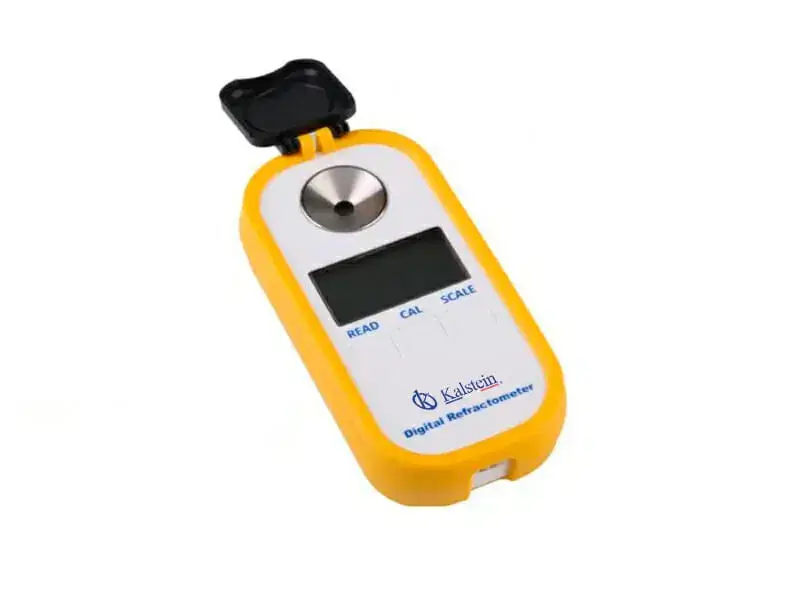
Ensuring Biosafety Protocols and Safe Operator Management in Digital BRIX Refractometers
In laboratory settings, particularly when dealing with various solutions and substances, the need for strict biosafety protocols and safe operator management becomes critical. Digital BRIX refractometers, such as the YR05944, YR05945, YR05946, YR05947, YR05948, and YR05949 models, serve essential functions in measuring the concentration of soluble solids in solutions used across various industries including food, beverage, and chemical. This article will delve into the specific biosafety protocols and operator management strategies that ensure compliance and efficiency when using these instruments.
Biosafety Considerations in Laboratory Use of Digital BRIX Refractometers
Biosafety considerations are paramount in any laboratory that uses digital BRIX refractometers. These devices measure the concentration of soluble solids, primarily sugars, in various solutions. Proper biosafety protocols help to mitigate risks associated with exposure to potentially hazardous materials. Laboratories must comply with the appropriate Biological Safety Levels (BSLs), ensuring that all personnel are equipped with necessary personal protective equipment (PPE). For instance, the YR05944 model is often used in settings that require high accuracy in measuring sugar content, which may involve handling solutions that could pose biohazards if not managed properly.
Understanding Biological Safety Levels (BSL)
Biological Safety Levels categorize the risk associated with different pathogens and biological materials. Laboratories working with digital BRIX refractometers should typically operate at BSL 1 or BSL 2, depending on the materials being tested. BSL 1 involves minimal risk, while BSL 2 involves moderate risk and requires specific safety measures such as proper waste disposal and decontamination procedures. For example, if a lab utilizes the YR05945 model to analyze fruit juices, it is important to maintain these safety standards to avoid contamination and ensure the safety of laboratory personnel.
Operator Management Strategies
Effective operator management is essential to ensure laboratory safety and the proper functioning of equipment like digital BRIX refractometers. Training sessions should emphasize the importance of following safety protocols, understanding the equipment's functioning, and being aware of any hazards associated with the materials being tested. Operators should be trained in the use of the YR05946 model, focusing on its temperature compensation feature, which is crucial for accurate readings. Regular audits can help ensure compliance and identify areas for improvement in operator training and protocol adherence.
Personal Protective Equipment (PPE) for Laboratory Personnel
To safeguard against potential hazards, wearing appropriate PPE is crucial for personnel using digital BRIX refractometers. This may include lab coats, gloves, safety goggles, and face shields depending on the level of risk involved with the substances being analyzed. For instance, using the YR05947 model for testing solutions containing dextran may require more stringent PPE measures due to the nature of the chemical. Establishing clear guidelines around PPE usage can help minimize health risks while handling various substances in the lab.
Decontamination Protocols for Equipment
A critical aspect of laboratory safety is the decontamination of equipment after use. Digital BRIX refractometers must be cleaned and sanitized to prevent cross-contamination between samples. Labs should implement standard operating procedures (SOPs) that outline the cleaning protocols for each model, including the YR05948 which measures fructose. Regular decontamination helps to maintain the integrity of the results and protects the health of laboratory personnel.
Risk Assessment Matrices for Safe Operation
Conducting risk assessments allows laboratories to identify potential hazards associated with using digital BRIX refractometers and develop strategies to mitigate these risks. A risk assessment matrix can aid in categorizing risks based on their likelihood and potential impact. For example, analyzing samples with the YR05949 model should incorporate risk assessment to identify hazards linked to handling high sugar content solutions. This proactive approach ensures that safety measures are in place before any measurements are taken.
Comparison of Available Models
| Model Code | Measurement Range | Best for | Accuracy | Temperature Compensation |
|---|---|---|---|---|
| YR05944 | Brix: 0.0-50.0% | Fruit juices, syrups | ±0.2% | Yes |
| YR05945 | Brix: 0.0-90.0% | Beverages, sugars | ±0.2% | Yes |
| YR05946 | Refractive Index: 1.3330-1.5177nD | General analysis | ±0.0003nD | Yes |
| YR05947 | Dextran: 0.0-10.6% | Dextran measurement | ±0.2% | Yes |
| YR05948 | Fructose: 0.0-68.9% | Food and beverage applications | ±0.2% | Yes |
| YR05949 | Glucose: 0.0-59.9% | Food analysis | ±0.2% | Yes |
Common Mistakes and How to Avoid Them
In the realm of laboratory safety and equipment management, several common mistakes can jeopardize the accuracy of results and the safety of personnel. One frequent error is inadequate training on the use of digital BRIX refractometers. Ensuring that all operators are thoroughly trained on models such as the YR05944 and aware of biosafety protocols can significantly reduce risks. Additionally, neglecting regular maintenance and calibration checks can compromise the accuracy of measurements. Labs should establish routine schedules for these checks to maintain optimal performance.
Frequently Asked Questions
What are the key biosafety protocols to follow when using digital BRIX refractometers?
Key biosafety protocols include wearing appropriate PPE, conducting regular decontamination of equipment, and adhering to Biological Safety Levels (BSLs). Using models like the YR05946 requires understanding the specific materials being tested and implementing the necessary safety measures.
How can I ensure compliance with safety standards when operating a digital BRIX refractometer?
Compliance can be achieved by providing thorough training for all operators, maintaining updated SOPs, and conducting regular audits. For example, laboratories using the YR05945 model should ensure that all personnel are familiar with safety protocols specific to the substances being analyzed.
What types of PPE are recommended for handling solutions in digital BRIX refractometer use?
Recommended PPE includes lab coats, gloves, safety goggles, and face shields. When using models like the YR05948, which may handle hazardous solutions, it's essential to wear proper protective gear to minimize exposure risks.
How often should digital BRIX refractometers be calibrated for accurate results?
Calibration of digital BRIX refractometers should be performed regularly, typically every three to six months, or as required by the laboratory's quality control protocol. This is especially important for models like the YR05949 to ensure precision in measuring glucose content.
What are the risks associated with using digital BRIX refractometers without following biosafety protocols?
Risks include exposure to hazardous materials, cross-contamination of samples, and potential health hazards for laboratory personnel. Using models such as the YR05947 without proper protocols can lead to inaccurate results and unsafe working conditions.
Which digital BRIX refractometer model is best for high sugar content analysis?
The YR05945 model is ideal for high sugar content analysis, as it has a measurement range of 0.0-90.0% Brix. Following the correct biosafety protocols is vital for safety when handling sugary solutions.
How can laboratories establish effective decontamination protocols for their equipment?
Establishing effective decontamination protocols involves developing SOPs that detail cleaning procedures for each type of equipment, including digital BRIX refractometers. Regular training and reminders for operators are crucial to maintaining these standards.
What should laboratories include in their risk assessment matrices for using digital BRIX refractometers?
Risk assessment matrices should include potential hazards related to the materials being tested, the likelihood of exposure, and the impact on safety and results. For instance, assessing the use of the YR05946 model should account for the specific chemicals involved in the measurement process.
If you are looking for a fusion of innovation and quality, you have come to the right place. At Kalstein, we offer you the luxury of exploring our exclusive catalog of laboratory equipment. We manufacture every device to the highest standards of excellence. Our intuitive and seamless online purchasing channels are designed for your convenience, securing the most competitive prices. Hesitate no longer — we bring science to life, it is time to become part of our community.