Water Baths: Practical Applications and Techniques 2026
Water baths are essential pieces of equipment in clinical and hospital laboratories, facilitating various processes such as heating, incubation, and temperature control. As we move into 2026, understanding the practical applications, techniques, and best practices for utilizing water baths effectively is crucial for laboratory professionals.
What is it used for in 2026
In 2026, water baths are primarily used for:
- Heating Samples: Quickly and uniformly heating solutions to a desired temperature.
- Incubation: Maintaining a controlled environment for biological samples.
- Temperature Control: Providing stable temperature conditions for enzymatic reactions.
- Thawing Samples: Gently thawing frozen samples without damaging them.
- Culturing Cells: Supporting optimal growth conditions for cell cultures.
History and evolution of the technology
The evolution of water bath technology can be traced back to the early 20th century when basic models were utilized for simple heating tasks. Over the decades, advancements in materials, controls, and safety features have transformed water baths into sophisticated laboratory tools. Modern water baths now feature:
- PID Control: Allows precise temperature regulation.
- Stainless Steel Construction: Ensures durability and resistance to corrosion.
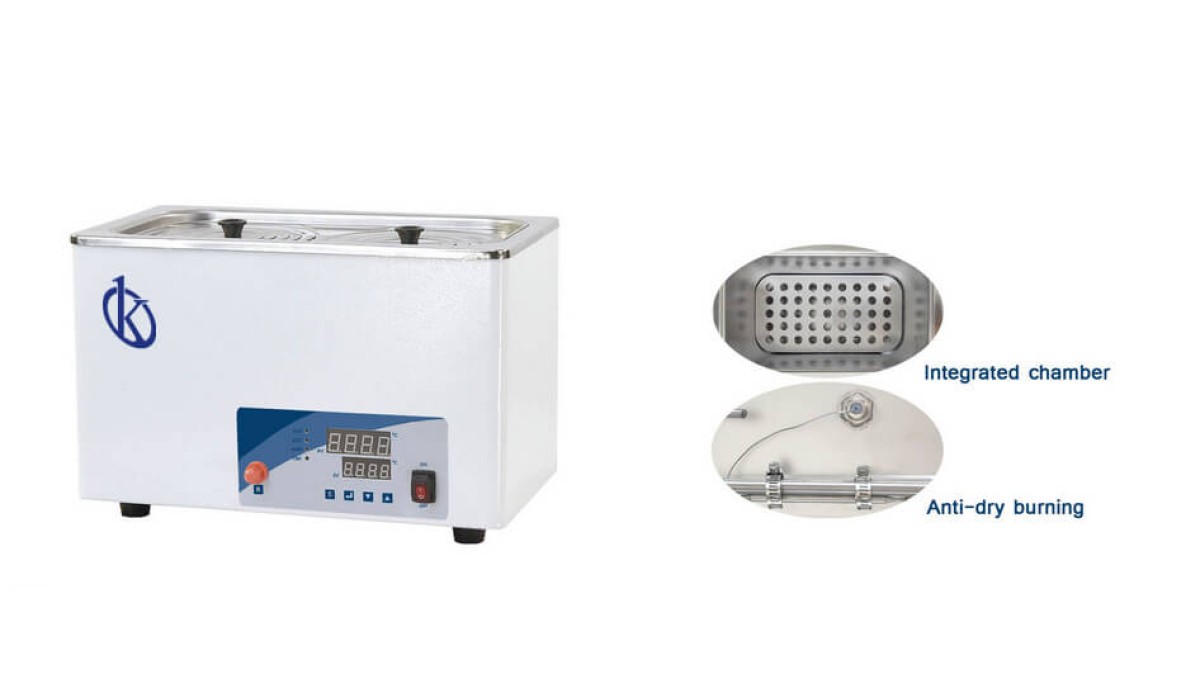
- Safety Features: Including over-temperature alarms and dry-run protection.
How to use it step by step
Using a water bath effectively involves a systematic approach:
- Preparation: Gather all necessary materials and ensure the water bath is clean.
- Fill the Bath: Fill the water bath with distilled water, ensuring it reaches the appropriate level for immersion.
- Set the Temperature: Use the PID controller to set the desired temperature.
- Wait for Stabilization: Allow the water bath to reach the set temperature before introducing samples.
- Insert Samples: Carefully place samples in the bath using appropriate holders.
- Monitor Conditions: Regularly check the temperature and adjust if necessary.
- Post-Use: Turn off the bath and clean it according to laboratory protocols.
Best techniques and protocols
Effective techniques when using water baths include:
- Calibration: Regular calibration of temperature settings for accuracy.
- Use of Containers: Employing proper containers to ensure even heat distribution.
- Temperature Checks: Using thermocouples or digital probes to verify temperature.
Practical applications by laboratory type
Water baths have a variety of applications across different laboratory types:
- Clinical Laboratories: Used for specimen incubation and reagent preparation.
- Research Laboratories: Essential for maintaining biological samples under controlled conditions.
- Quality Control Laboratories: Used for testing product stability at different temperatures.
Regulations, standards and certifications
Water baths must meet various regulations and standards, including:
- ISO Standards: Ensuring quality management and reliability.
- Safety Certifications: Compliance with safety directives to protect laboratory personnel.
Comparison with alternative technologies
Water baths can be compared with alternative technologies like:
- Dry Block Heaters: Offer faster heating and portability but lack water immersion benefits.
- Incubators: More specialized for biological environments but limited to specific functionalities.
Comparison of available models
| Model | Best for | Key specs | Recommended use case |
|---|---|---|---|
| YR05073 | General laboratory heating | 300W, 0-100°C | Sample preparation requiring consistent temperature |
| YR05074 | General laboratory heating | 600W, 0-100°C | Batch processing of multiple samples |
| YR030L | Agitation and heating | 16-24 mm oscillation | Cell culture with constant stirring |
| YR05001 | Chemical reactors | 3000W heating, -35-200°C | High-performance chemical reactions requiring temperature control |
| YR05002 | Chemical reactors | 6000W heating, -35-200°C | Large scale reactions with high thermal demands |
| YR05003 | Chemical reactors | 3000W heating, -35-200°C | General chemical processing |
Common mistakes and how to avoid them
Laboratory professionals often encounter mistakes such as:
- Improper Calibration: Ensure regular calibration to avoid inaccuracies.
- Overloading the Bath: Follow manufacturer guidelines for maximum capacities.
- Using Contaminated Water: Always use distilled water to prevent contamination.
Maintenance, calibration and good practices 2026
To maintain optimal performance:
- Regular Cleaning: Clean the water bath after each use to prevent buildup.
- Scheduled Calibration: Implement a routine calibration schedule.
- Monitor Water Levels: Ensure adequate water levels for effective heating.
Cost-benefit analysis 2026
Investing in water baths offers significant benefits:
- Efficiency: Saves time in heating and incubating processes.
- Versatility: Suitable for a wide range of applications.
- Durability: High-quality models provide long-term reliability.
Frequently asked questions
What factors should I consider when choosing a water bath?
Consider temperature range, capacity, safety features, and the specific applications you plan to use the water bath for.
How do I ensure accurate temperature control?
Regularly calibrate your water bath and use thermocouples to verify temperature accuracy.
Can I use tap water in my water bath?
It is recommended to use distilled water to prevent mineral buildup and contamination.
What is the best way to clean my water bath?
Use a mild detergent and soft cloth to clean the interior; avoid harsh chemicals that could damage the surface.
How often should I perform maintenance on my water bath?
Regular maintenance should be conducted after each use, with a thorough check and calibration performed at least quarterly.
Are there any safety concerns with using a water bath?
Ensure the water bath is not overloaded, monitor the temperature, and follow the manufacturer’s safety guidelines to minimize risks.
Where can I find more information about water baths?
Consult manufacturer documentation and laboratory guidelines for detailed operational information and best practices.
If you are looking for a fusion of innovation and quality, you have come to the right place. At Kalstein, we offer you the luxury of exploring our exclusive catalog of laboratory equipment. We manufacture every device to the highest standards of excellence. Our intuitive and seamless online purchasing channels are designed for your convenience, securing the most competitive prices. Hesitate no longer — we bring science to life, it is time to become part of our community.