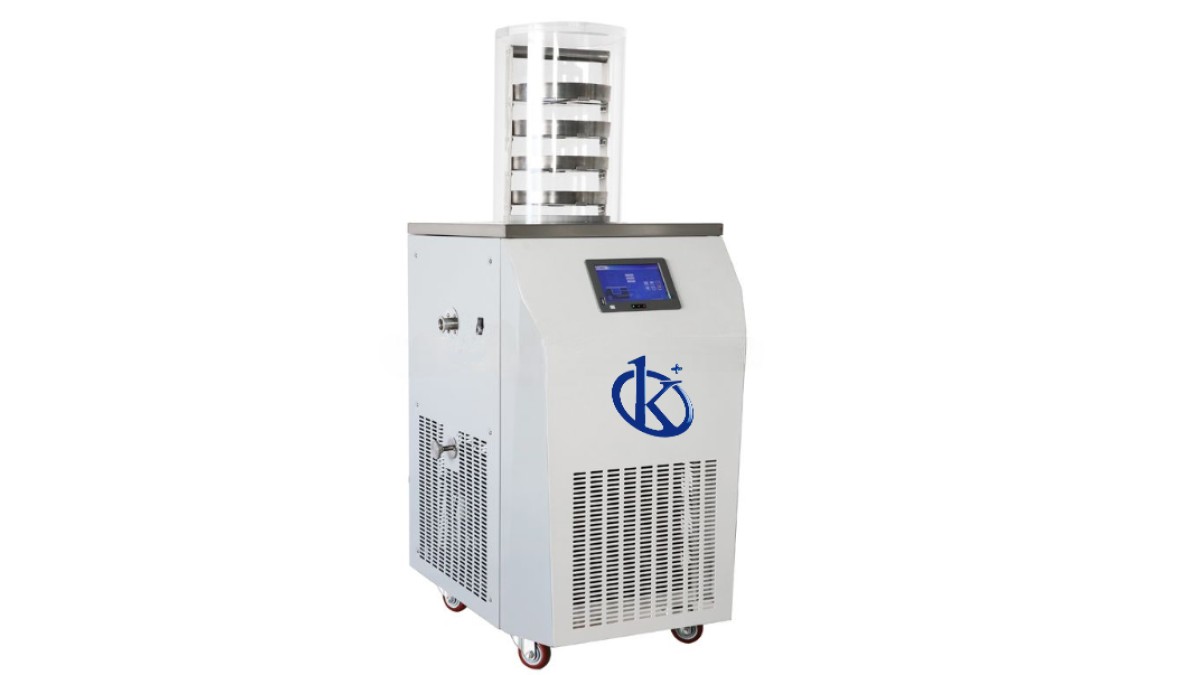
Vertical Laboratory Freeze Dryers: Common Mistakes and How to Avoid Them in Daily Operation 2026
What is it used for in 2026
Vertical laboratory freeze dryers are essential tools in various fields including medicine, pharmacy, biological research, chemistry, and food processing. They are used for the lyophilization process, which removes moisture from samples without affecting their structure and biochemical properties. This technique is particularly valuable for preserving heat-sensitive materials, allowing long-term storage without spoilage.
History and evolution of the technology
The freeze-drying process, or lyophilization, has evolved significantly since its inception during World War II, when it was used to preserve blood plasma. Over the decades, advancements in technology have improved the efficiency, ease of use, and applications of freeze dryers. Modern vertical freeze dryers integrate advanced control systems, enhancing the precision of the lyophilization process and enabling more complex applications in various scientific fields.
How to use it step by step
Using a vertical laboratory freeze dryer involves several key steps:
- Preparation of Samples: Ensure that the samples are properly prepared and placed in appropriate containers.
- Loading the Freeze Dryer: Carefully load the samples into the dryer, ensuring even distribution.
- Setting Parameters: Configure the freeze-drying parameters, including temperature and pressure, according to the sample requirements.
- Monitoring the Process: Continuously monitor the operation using the control interface.
- End of Cycle: Once the process is complete, safely unload the dried samples and store them appropriately.
Best techniques and protocols
To achieve optimal results, it is important to follow best practices:
- Ensure thorough pre-cooling of samples to avoid ice crystal formation.
- Regularly calibrate temperature and pressure sensors to maintain accuracy.
- Utilize proper vacuum sealing techniques to prevent contamination.
- Follow specific protocols for different materials to enhance drying efficiency.
Practical applications by laboratory type
Vertical laboratory freeze dryers are utilized in various laboratory settings, including:
- Pharmaceutical Laboratories: For preserving active ingredients and formulations.
- Biological Research: To maintain cellular structures for further analysis.
- Chemical Laboratories: For drying chemicals without altering their properties.
- Food Processing: To preserve nutritional and flavor characteristics in fruits and vegetables.
Regulations, standards and certifications
Laboratories using vertical freeze dryers must comply with various regulations and standards. This includes adherence to Good Manufacturing Practices (GMP) in pharmaceutical settings, as well as ISO standards for laboratory equipment ensuring safety and efficacy. Regular audits and certifications are essential for maintaining compliance.
Comparison with alternative technologies
While vertical freeze dryers are highly effective, it is important to consider alternative technologies such as spray drying and traditional oven drying. Each method has advantages and disadvantages:
- Spray Drying: Faster process but may affect heat-sensitive components.
- Oven Drying: Simpler setup, but can lead to loss of volatile compounds.
Vertical freeze dryers provide a balanced approach to effectively remove moisture while preserving sample integrity.
Comparison of available models
| Model | Best for | Key specs | Recommended use case |
|---|---|---|---|
| YR05198 | Routine laboratory use | Price: $4392.00, Area: 0.18m²/0.27m² | General lyophilization needs |
| YR05199 | Medium scale applications | Price: $4882.00, Area: 0.09m² | Pharmaceutical research |
| YR05200 | High efficiency use | Price: $4178.00, Area: 0.18m²/0.27m² | Biological sample preservation |
| YR05201 | Advanced applications | Price: $5061.00, Area: 0.09m² | Complex chemical preparations |
| YR05985-1 | Fruit and vegetable drying | Price: $16800.00, Area: 0.7m² | Food industry applications |
| YR05985-2 | Large batch processes | Price: $21000.00, Area: 1.04m² | Industrial drying processes |
Common mistakes and how to avoid them
Common errors in the operation of vertical laboratory freeze dryers include:
- Incorrect sample preparation: Ensure samples are thawed and pre-cooled correctly to avoid moisture retention.
- Poor vacuum sealing: Always verify vacuum integrity before starting the lyophilization process.
- Improper temperature settings: Follow recommended temperature settings closely for different materials.
- Neglecting maintenance: Regularly clean and maintain equipment to ensure optimal performance.
Maintenance, calibration and good practices 2026
Regular maintenance and calibration are essential for ensuring the longevity and reliability of vertical freeze dryers. Recommended practices include:
- Frequent cleaning of components to remove residue.
- Calibrating sensors at regular intervals to ensure accuracy.
- Updating software and firmware to enhance operational efficiency.
Cost-benefit analysis 2026
The cost of vertical laboratory freeze dryers can be substantial, but the benefits outweigh the initial investment over time. Factors to consider include:
- Long-term savings on sample preservation and reduced waste.
- Increased efficiency in research processes.
- Potential for expanding laboratory services and capabilities.
Conducting a thorough cost-benefit analysis can help laboratories determine the best investment strategy for their specific needs.
Frequently asked questions
What are the key considerations when choosing a vertical freeze dryer?
Key considerations include the specific applications, sample sizes, necessary features, and budget constraints. Assess your laboratory’s workflow to ensure the chosen model meets your needs.
How can I optimize the freeze-drying process for heat-sensitive materials?
To optimize the freeze-drying process for heat-sensitive materials, pre-cool samples thoroughly, and monitor temperature settings carefully. Using a model with precise temperature control can also help.
What maintenance is required for vertical freeze dryers?
Regular maintenance includes thorough cleaning, calibration of sensors, and checking vacuum seals. Following the manufacturer's guidelines for maintenance schedules is essential.
Can vertical freeze dryers be used for food preservation?
Yes, vertical freeze dryers are widely used in the food industry for preserving fruits, vegetables, and other products, maintaining their nutritional and flavor profiles.
What safety precautions should be taken when operating freeze dryers?
Safety precautions include wearing personal protective equipment, ensuring proper ventilation, and avoiding overloading the dryer. Always follow the manufacturer's safety guidelines.
How do I know when to replace parts of the freeze dryer?
Monitor the performance of the freeze dryer; if you notice a decline in efficiency or any unusual noises, it may be time to inspect and replace faulty components.
How can I request a quote for a freeze dryer?
You can easily request a quote for a freeze dryer by contacting our sales team or through our online platform, where detailed product information is available.
If you are looking for a fusion of innovation and quality, you have come to the right place. At Kalstein, we offer you the luxury of exploring our exclusive catalog of laboratory equipment. We manufacture every device to the highest standards of excellence. Our intuitive and seamless online purchasing channels are designed for your convenience, securing the most competitive prices. Hesitate no longer — we bring science to life, it is time to become part of our community.