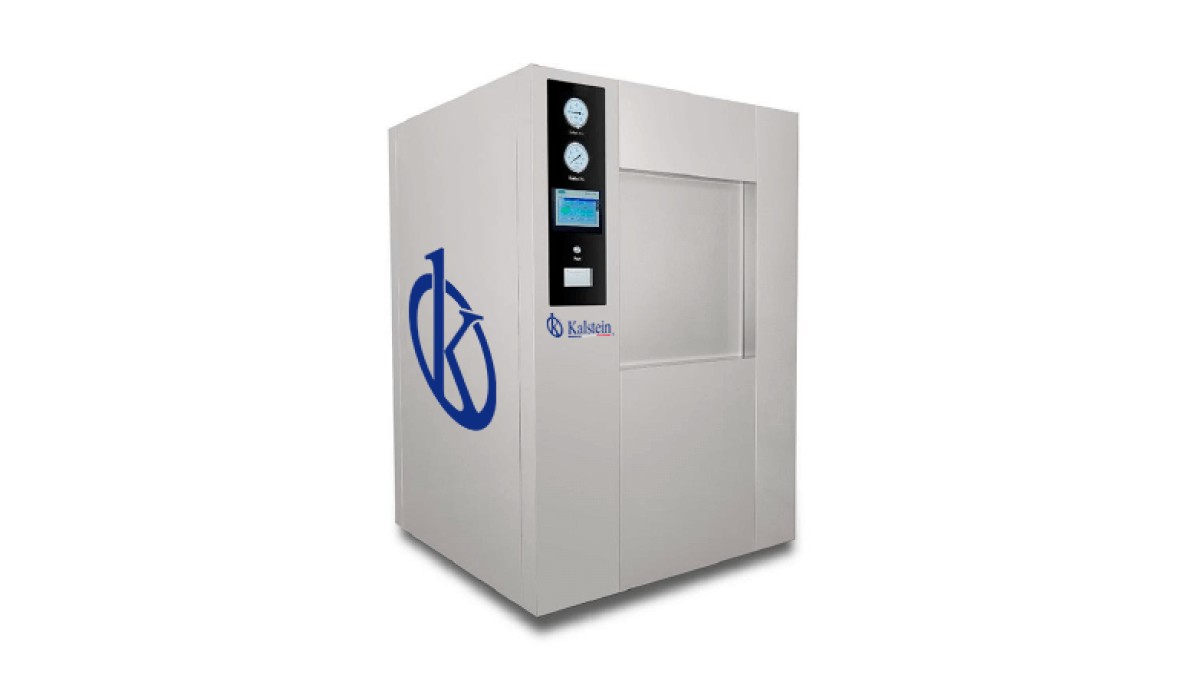
Vertical Autoclaves: Common Mistakes and How to Avoid Them in Daily Operation 2026
What is it used for in 2026
Vertical autoclaves are essential instruments in laboratories, medical facilities, and research institutions for sterilizing equipment and materials. They use high-pressure steam to kill bacteria, viruses, and other pathogens, ensuring that tools and substances are safe for use. In 2026, their applications have expanded to various fields including microbiology, pharmaceuticals, and food safety, where maintaining sterile conditions is crucial.
History and evolution of the technology
The technology of autoclaving dates back to the 19th century, with the first patent issued by Denis Papin. Initially used in the food industry for canning, the design and application of autoclaves evolved significantly over the years. In the late 20th century, advancements in materials and digital control systems enhanced the efficiency and safety of the process. Today, vertical autoclaves are equipped with sophisticated technologies that ensure precise control over temperature, pressure, and sterilization cycles.
How to use it step by step
Using a vertical autoclave involves several key steps to ensure effective sterilization:
- Preparation: Clean and load items into the autoclave chamber, ensuring that they are not overcrowded to allow steam circulation.
- Settings: Select the appropriate sterilization cycle based on the materials loaded. This includes setting the time, temperature, and pressure.
- Start the cycle: Close the autoclave door securely and initiate the sterilization process.
- Monitoring: During the cycle, monitor the display for pressure and temperature readings to ensure they reach the required levels.
- Completion: Once the cycle is complete, allow the chamber to depressurize before opening the door. Check the items for completeness of the sterilization process.
Best techniques and protocols
To maximize the efficiency of vertical autoclaves, adhere to the following best techniques and protocols:
- Ensure proper loading techniques to facilitate steam penetration.
- Use appropriate packaging materials that are steam-permeable.
- Regularly calibrate the autoclave to maintain accuracy in temperature and pressure settings.
- Implement a routine schedule for maintenance and checks on seals and gaskets.
Practical applications by laboratory type
Vertical autoclaves serve various laboratory types, each with specific applications:
- Pharmaceutical Labs: Sterilizing production equipment and packaging materials.
- Microbiology Labs: Decontaminating media, glassware, and biological waste.
- Clinical Laboratories: Preparing sterile instruments for surgical and diagnostic procedures.
- Food Safety Labs: Ensuring materials used in food processing are free from pathogens.
Regulations, standards and certifications
Vertical autoclaves must comply with various regulations and standards to ensure safety and effectiveness. Key certifications include:
- ISO 13485: Quality management systems for medical devices.
- FDA Regulations: Guidelines for sterilization processes in medical device manufacturing.
- EN 285: Standard for large sterilizers, providing safety and performance requirements.
Comparison with alternative technologies
While vertical autoclaves are widely used for sterilization, alternative technologies include:
- Dry Heat Sterilization: Suitable for heat-stable items but takes longer than steam sterilization.
- Ethanol Sterilization: Effective for certain surfaces but not for all materials.
- Plasma Sterilization: Utilizes low-temperature gas plasma, ideal for sensitive instruments.
Comparison of available models
| Model | Best for | Key specs | Recommended use case |
|---|---|---|---|
| YR05653 | General sterilization of laboratory tools | Pressure: -0.1/0.3Mpa, Temperature: 150℃ | Laboratories and research institutions |
| YR05653-1 | General sterilization of laboratory tools | Pressure: -0.1/0.3Mpa, Temperature: 150℃ | Laboratories and research institutions |
| YR05655 | Drying and sterilization | Control: PID processor, Material: Stainless Steel 304 | Pharmaceutical and clinical labs |
| YR05656 | Drying and sterilization | Control: PID processor, Material: Stainless Steel 304 | Pharmaceutical and clinical labs |
| YR05657 | Drying and sterilization | Control: PID processor, Material: Stainless Steel 304 | Pharmaceutical and clinical labs |
| YR05658 | Drying and sterilization | Control: PID processor, Material: Stainless Steel 304 | Pharmaceutical and clinical labs |
Common mistakes and how to avoid them
Common mistakes when operating vertical autoclaves include:
- Overloading the chamber, which can prevent effective steam penetration.
- Using non-permeable packaging, leading to incomplete sterilization.
- Ignoring maintenance schedules, which can affect performance and reliability.
- Not monitoring sterilization indicators, risking the use of unsterilized items.
To avoid these mistakes, follow best practices, train operators, and implement regular audits of the sterilization process.
Maintenance, calibration and good practices 2026
Regular maintenance and calibration of vertical autoclaves are essential for reliable performance. Key practices include:
- Daily checks on temperature and pressure gauges.
- Monthly cleaning of chamber surfaces and door seals.
- Annual calibration by certified technicians to ensure operational accuracy.
- Documenting maintenance activities for compliance and quality assurance.
Cost-benefit analysis 2026
Investing in vertical autoclaves can yield significant cost benefits, including:
- Increased Efficiency: Reduced time for sterilization can lead to more efficient laboratory workflows.
- Quality Assurance: Ensuring sterility can prevent costly recalls and non-compliance fines.
- Longevity: Proper maintenance can extend the lifespan of the equipment, maximizing return on investment.
In 2026, the cost-effectiveness of vertical autoclaves continues to make them a valuable asset for laboratories.
Frequently asked questions
What are the best practices for loading a vertical autoclave?
The best practices include placing items in a way that allows steam to circulate freely, avoiding overcrowding, and ensuring that all items are compatible with steam sterilization.
How can I determine the appropriate sterilization cycle for my materials?
Consult the manufacturer's guidelines for each material or consult with a sterilization expert to determine the correct temperature, pressure, and time settings.
What maintenance is required for a vertical autoclave?
Regular maintenance includes cleaning the chamber, checking seals, calibrating pressure and temperature settings, and replacing worn components as needed.
How do I know if my sterilization process was successful?
Use sterilization indicators (chemical and biological indicators) to verify that the conditions for effective sterilization were met during the cycle.
Can vertical autoclaves be used for all types of materials?
Not all materials are suitable for steam sterilization. Refer to material compatibility charts and guidelines to determine which items can be safely sterilized in an autoclave.
What are the consequences of improper autoclave use?
Improper use can lead to incomplete sterilization, risking contamination of equipment and materials, and potentially compromising laboratory safety and compliance.
How often should I perform calibration on my autoclave?
It is recommended to perform calibration annually or whenever there is a significant deviation in readings or after maintenance repairs.
Request a quote to explore our advanced range of vertical autoclaves designed for your laboratory needs.
If you are looking for a fusion of innovation and quality, you have come to the right place. At Kalstein, we offer you the luxury of exploring our exclusive catalog of laboratory equipment. We manufacture every device to the highest standards of excellence. Our intuitive and seamless online purchasing channels are designed for your convenience, securing the most competitive prices. Hesitate no longer — we bring science to life, it is time to become part of our community.