Vacuum Ovens: Practical Applications and Techniques 2026
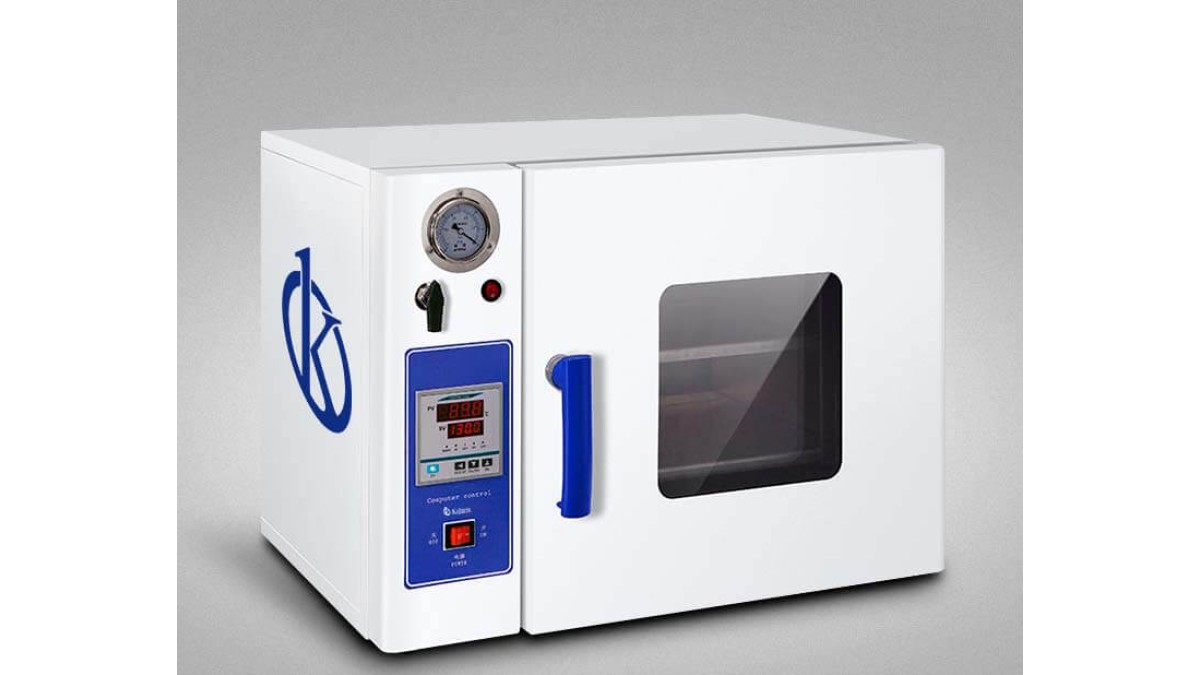
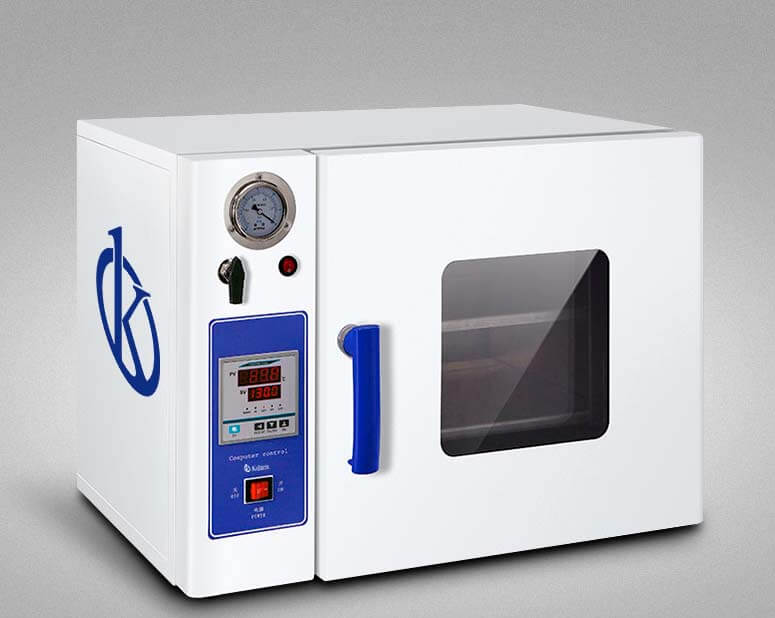
Vacuum ovens are essential tools in laboratory settings, widely utilized in various fields such as biochemistry, pharmaceuticals, and agricultural research. This guide provides a comprehensive overview of their applications, usage protocols, and best practices in 2026.
What is it used for in 2026
In 2026, vacuum ovens are primarily employed for the drying and sterilization of sensitive materials. Their ability to lower boiling points allows for effective drying of heat-sensitive substances without degradation. Applications include:
- Drying powder samples in pharmaceuticals.
- Sterilization of glassware used in biochemical experiments.
- Destruction of contaminants in agricultural research.
- Preparation of delicate materials in the health care sector.
History and evolution of the technology
The vacuum oven technology has evolved significantly since its inception. Initially developed for basic drying processes, advancements in materials and control mechanisms have allowed for greater precision, reliability, and efficiency. The introduction of digital controls and improved insulation materials has enhanced operational safety and energy efficiency.
How to use it step by step
Using a vacuum oven effectively requires a systematic approach:
- Preparation: Ensure the oven is clean and check for any mechanical issues.
- Loading samples: Place samples in the oven without overcrowding to ensure even airflow.
- Setting parameters: Program the desired temperature and vacuum levels according to the material requirements.
- Monitoring: Regularly check the vacuum and temperature readings throughout the drying process.
- Completion: Once the cycle is complete, allow the samples to cool before removing them.
Best techniques and protocols
To achieve optimal results when using vacuum ovens, consider the following techniques:
- Utilize pre-drying techniques for samples known to retain moisture.
- Adjust vacuum levels based on the material's thermal sensitivity.
- Maintain consistent monitoring of temperature fluctuations to avoid material degradation.
Practical applications by laboratory type
Different laboratories utilize vacuum ovens for various applications:
- Pharmaceutical labs: For drying active pharmaceutical ingredients.
- Biochemical laboratories: In preparing biological samples without thermal damage.
- Agricultural research: For desiccating plant samples and investigating moisture content.
- Environmental labs: For sterilizing equipment and ensuring the integrity of samples.
Regulations, standards and certifications
In 2026, vacuum ovens must comply with various regulations and standards, including:
- ISO 9001 for quality management systems.
- ISO 13485 for medical devices.
- CE marking for compliance within European markets.
Comparison with alternative technologies
Vacuum ovens are often compared to conventional ovens and freeze dryers:
- Conventional ovens: Operate at atmospheric pressure and may damage heat-sensitive materials.
- Freeze dryers: Offer dehydration at low temperatures, which can be more complex and time-consuming.
Comparison of available models
| Model | Best for | Key specs | Recommended use case |
|---|---|---|---|
| YR05260-A | Heat-sensitive materials | Temperature range: RT + 5 ~ 250°C | Drying powders in pharmaceuticals |
| YR05261-A | Complex samples | Vacuum grade: < 133 | Drying biological samples |
| YR05262-SS | Sterilization of glassware | Power: 0.9 kW | Preparing glassware in biochemical labs |
| YR05263-SS | Agricultural research | Interior size: 40x41.5x35 mm | Desiccating biological samples |
| YR05264-A | Environmental testing | Temperature accuracy: ±1 | Performing tests on environmental samples |
| YR05265-SS | General laboratory use | Timer range: 0 ~ 999 minutes | General drying processes in labs |
Common mistakes and how to avoid them
Some common pitfalls when using vacuum ovens include:
- Overloading the oven, which can cause uneven drying.
- Neglecting to monitor temperature, leading to material damage.
- Failing to properly clean the chamber, risking contamination of samples.
Maintenance, calibration and good practices 2026
To ensure optimal performance, regular maintenance and calibration are crucial:
- Perform routine checks on seals and gaskets to maintain vacuum integrity.
- Calibrate temperature sensors annually to ensure accuracy.
- Clean the interior regularly to prevent sample contamination.
Cost-benefit analysis 2026
Investing in vacuum ovens can yield significant benefits:
- Reduced drying times lead to increased productivity.
- Improved sample integrity enhances research reliability.
- Long-term savings due to energy-efficient designs.
Frequently asked questions
What are the key factors to consider when choosing a vacuum oven?
Key factors include temperature range, vacuum capacity, and interior size, depending on your specific laboratory needs.
How often should I calibrate my vacuum oven?
It is recommended to calibrate your vacuum oven at least once a year to maintain accurate temperature readings.
Can vacuum ovens be used for drying all types of materials?
While vacuum ovens are versatile, they may not be suitable for materials that can be damaged by low pressure or heat.
What is the ideal vacuum level for most laboratory applications?
An ideal vacuum level is generally below 133 mbar, which is optimal for effective drying and sterilization.
How can I ensure even drying of samples?
To ensure even drying, avoid overcrowding the oven and maintain consistent monitoring of temperature and vacuum levels.
What are best practices for loading samples into a vacuum oven?
Arrange samples to allow adequate airflow around them, and ensure they are free of excess moisture before loading.
How do I maintain my vacuum oven for optimal performance?
Regularly check seals, calibrate instruments, and clean the chamber to prevent contamination and ensure efficiency.
If you are looking for a fusion of innovation and quality, you have come to the right place. At Kalstein, we offer you the luxury of exploring our exclusive catalog of laboratory equipment. We manufacture every device to the highest standards of excellence. Our intuitive and seamless online purchasing channels are designed for your convenience, securing the most competitive prices. Hesitate no longer — we bring science to life, it is time to become part of our community.