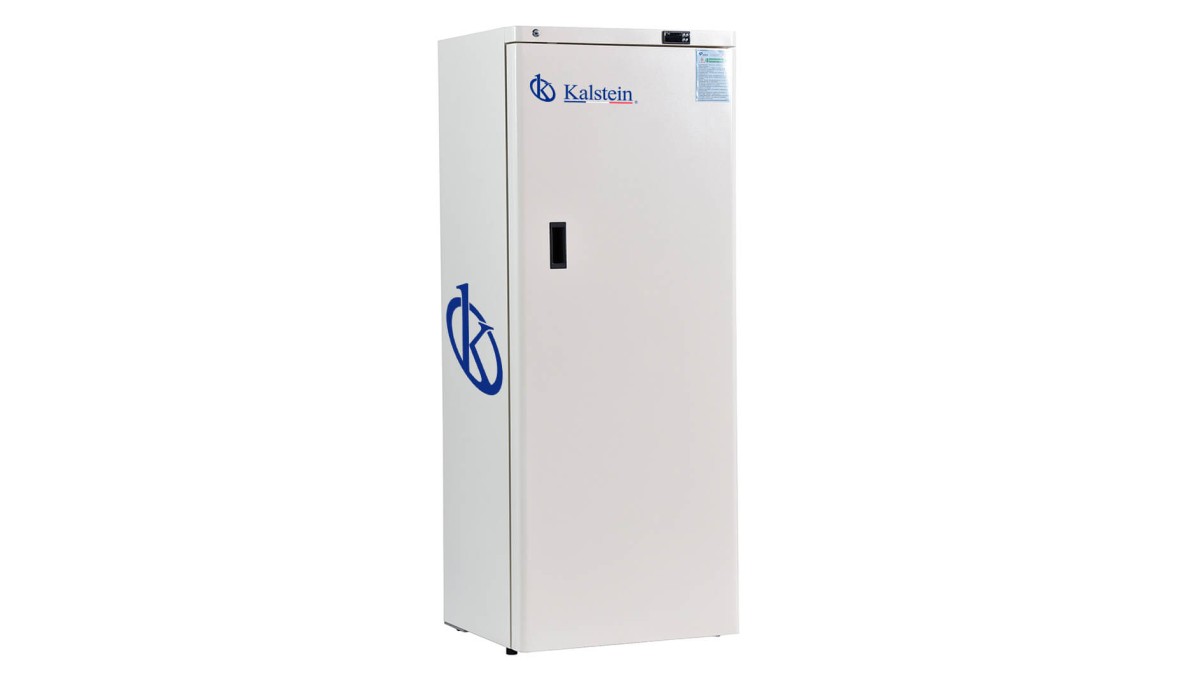
Upright Freezers: Applications in Research, Biotechnology, and Academia 2026
What is it used for in 2026
In 2026, upright freezers play a critical role in various laboratory environments, particularly in research, biotechnology, and academia. These refrigerators are primarily used to store biological samples, such as blood products, vaccines, chemicals, and other temperature-sensitive materials. The ability to maintain low temperatures ensures the integrity and stability of these samples, making upright freezers indispensable for laboratories focused on cellular biology, genetics, and pharmaceutical research.
History and evolution of the technology
The evolution of freezers has been remarkable since their inception. Early freezers were bulky and inefficient, often relying on hazardous refrigerants. As technology advanced, modern upright freezers emerged, utilizing environmentally friendly refrigerants and advanced cooling mechanisms. The introduction of microprocessor control systems has revolutionized temperature management, allowing for precise temperature settings and enhanced stability. The trend towards energy efficiency has also shaped the design of contemporary models, resulting in reduced energy consumption without sacrificing performance.
How to use it step by step
Using an upright freezer effectively involves several steps:
- Pre-Installation: Ensure that the freezer is placed in a location with adequate ventilation and away from direct sunlight.
- Temperature Setting: Set the desired temperature using the digital control panel, usually between -10°C to -86°C depending on the model.
- Load Samples: Organize samples in containers that allow for air circulation, maximizing cooling efficiency.
- Monitoring: Regularly check the temperature settings and alarms to ensure optimal performance.
- Maintenance: Perform routine checks and maintenance as per manufacturer guidelines to prolong the life of the freezer.
Best techniques and protocols
To maximize the efficiency of upright freezers, it’s vital to follow best practices:
- Use appropriate containers that are compatible with low-temperature storage.
- Avoid frequent openings to maintain internal temperature.
- Label all samples clearly to facilitate easy identification.
- Implement an inventory management system to track stored samples.
Practical applications by laboratory type
Upright freezers have diverse applications across various laboratory types:
- Biotechnology Labs: For storing cultures, enzymes, and reagents.
- Clinical Labs: For blood products, plasma, and tissue samples.
- Pharmaceutical Labs: For long-term storage of drug compounds and biological samples.
- Academic Research: For research involving biobanks and genetic materials.
Regulations, standards and certifications
Upright freezers must comply with various regulations and standards, such as:
- IEC 61010 for safety requirements.
- ISO 9001 for quality management systems.
- FDA regulations for medical equipment used in clinical settings.
- Environmental regulations governing refrigerants used in cooling systems.
Comparison with alternative technologies
When comparing upright freezers with alternative technologies like chest freezers or cryogenic storage systems, each has distinct advantages:
- Upright Freezers: Easier access, organized storage, and space efficiency.
- Chest Freezers: Greater capacity for bulk storage but less accessibility.
- Cryogenic Systems: Ideal for extremely low temperatures, but often more complex and costly.
Comparison of available models
| Model | Best for | Key specs | Recommended use case |
|---|---|---|---|
| YR05097 | General laboratory use | Temperature range: -10°C to -25°C, 180W power | Storage of reagents and biological samples requiring moderate cooling |
| YR05297 | Biological sample storage | Temperature range: -40°C to -86°C, 870W power | Long-term preservation of viruses and sensitive biological materials |
| YR05296 | Research institutions | Temperature range: -40°C to -86°C, 810W power | Critical storage for biological research and medical applications |
| YR05295 | Large sample storage | Temperature range: -10°C to -25°C, 2 compressors | High-capacity storage for clinical and laboratory applications |
| YR05294 | Vaccine storage | Temperature range: -10°C to -25°C, CFC-free refrigerant | Storage of vaccines and blood plasma in medical facilities |
| YR05293 | Biomedical applications | Temperature range: -10°C to -25°C, digital display | Storage of biomaterials and laboratory samples |
Common mistakes and how to avoid them
Laboratories often face common pitfalls when using upright freezers:
- Overloading: Avoid overloading the freezer as it can impact airflow and cooling efficiency.
- Neglecting Maintenance: Regular maintenance is crucial for optimal performance; schedule routine checks.
- Incorrect Temperature Settings: Always verify temperature settings with a calibrated thermometer after adjustments.
Maintenance, calibration and good practices 2026
For optimal functionality in 2026, freezers require:
- Regular defrosting to prevent frost buildup.
- Calibration of temperature control systems at least once per year.
- Documentation of maintenance activities for compliance and operational excellence.
Cost-benefit analysis 2026
Performing a cost-benefit analysis when investing in an upright freezer involves evaluating:
- Initial purchase costs versus long-term energy savings.
- Potential costs associated with sample loss due to equipment failure.
- Return on investment through enhanced efficiency and improved research outcomes.
Frequently asked questions
What are the ideal temperatures for storing biological samples?
The ideal temperatures vary based on the type of biological samples. Most biological materials require temperatures between -20°C to -86°C for optimal preservation.
How often should I check the temperature of my upright freezer?
It is advisable to check the temperature at least once a day to ensure it remains within the specified range and to identify any potential issues early.
Can I store liquids in the upright freezer?
Yes, but ensure that they are in well-sealed containers to prevent spillage and contamination.
What should I do if the freezer alarms go off?
Immediately check the display for error codes, assess the temperature, and inspect the door seals. It may be necessary to consult the user manual or technical support for troubleshooting.
How can I improve the energy efficiency of my upright freezer?
To enhance energy efficiency, avoid opening the freezer frequently, keep it full (without overloading), and maintain proper ventilation around the unit.
What maintenance is required for an upright freezer?
Regular maintenance includes defrosting, cleaning the interior and exterior, checking door seals, and calibrating the temperature control system periodically.
Where can I find replacement parts for my upright freezer?
Replacement parts can typically be obtained from the manufacturer or authorized distributors. Always refer to the model's user manual for specific part numbers.
If you are looking for a fusion of innovation and quality, you have come to the right place. At Kalstein, we offer you the luxury of exploring our exclusive catalog of laboratory equipment. We manufacture every device to the highest standards of excellence. Our intuitive and seamless online purchasing channels are designed for your convenience, securing the most competitive prices. Hesitate no longer — we bring science to life, it is time to become part of our community.