Unique Beam Spectrophotometers: Practical Usage Guide for 2026
What is it used for in 2026
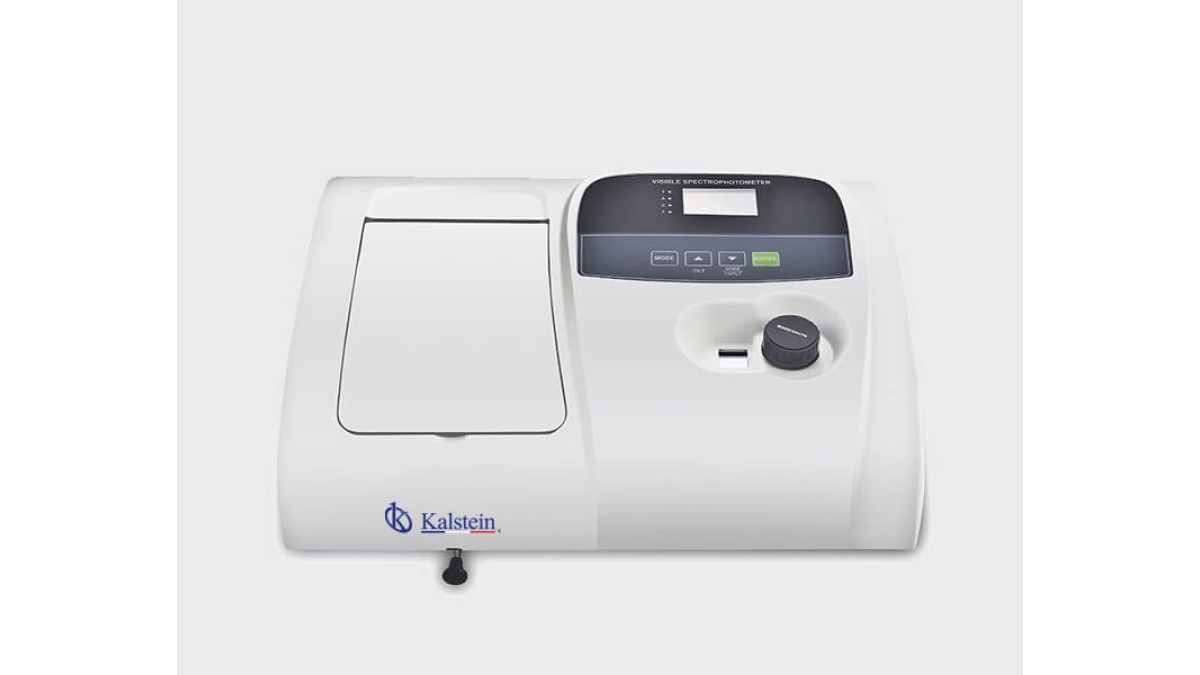
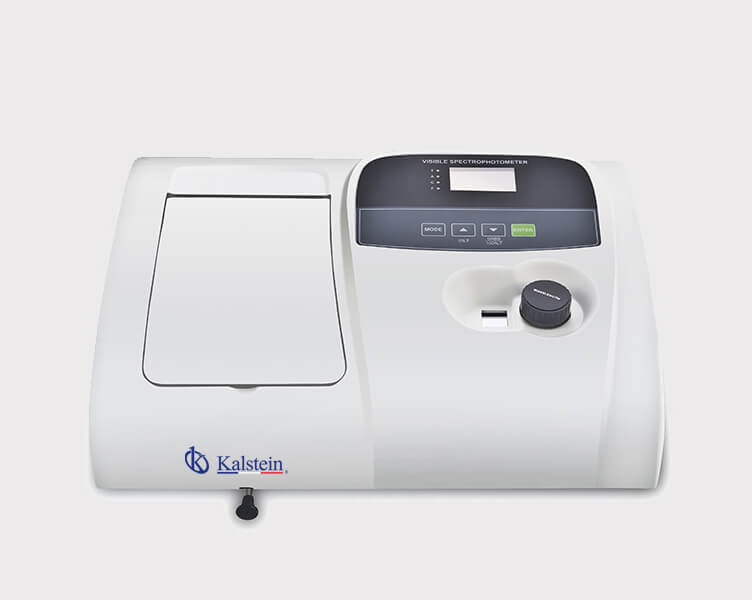
Unique beam spectrophotometers are essential instruments in analytical laboratories, particularly in fields such as chemistry, biology, and environmental science. They are used for various applications including quantitative analysis of solutions, determination of concentration, and measurement of absorbance and transmittance. In 2026, these devices are pivotal for research and quality control in pharmaceuticals, food and beverage testing, and academic studies.
History and evolution of the technology
The evolution of spectrophotometry dates back to the 19th century, where initial designs were rudimentary and limited in function. Over the decades, advancements in optical components, detection technology, and microprocessor control have transformed spectrophotometers into highly accurate and versatile tools. Unique beam configurations emerged to enhance measurement precision, reduce stray light interference, and improve overall user experience.
How to use it step by step
Using a unique beam spectrophotometer involves several systematic steps:
- Preparation: Ensure the instrument is calibrated and clean.
- Sample Preparation: Dilute or prepare your samples as needed, using appropriate solvents.
- Initial Settings: Power on the device and select the desired wavelength range.
- Blanking: Use a blank sample (solvent without analyte) to zero the instrument.
- Measurement: Insert the sample cuvette and record the absorbance or transmittance data.
- Data Analysis: Analyze the data using built-in software or export it for further analysis.
- Cleaning: After use, clean the cuvettes and the optical path as recommended.
Best techniques and protocols
Effective usage of unique beam spectrophotometers requires adherence to best practices, including:
- Regular calibration using standard solutions to ensure accuracy.
- Using high-quality cuvettes to minimize light scattering and absorption errors.
- Maintaining consistent temperature during measurements to prevent fluctuations.
- Employing appropriate controls and replicates to validate results.
- Documenting all procedures and results meticulously for traceability.
Practical applications by laboratory type
Different laboratory types utilize unique beam spectrophotometers for specific applications:
- Pharmaceutical Labs: Drug formulation testing and quality control.
- Environmental Labs: Water quality analysis and pollutant concentration measurement.
- Food Testing Labs: Nutritional content analysis and food safety testing.
- Academia: Educational demonstrations and research studies in chemistry and biology.
Regulations, standards and certifications
Users must comply with various regulations such as ISO 17025 for laboratory testing and Good Laboratory Practices (GLP). Additionally, spectrophotometers should meet industry standards for accuracy and reliability, ensuring that devices are regularly calibrated and maintained according to the manufacturer's specifications.
Comparison with alternative technologies
Unique beam spectrophotometers are often compared with multi-beam and fluorescence spectrophotometers. While multi-beam systems can offer faster data acquisition, unique beam spectrophotometers are lauded for their simplicity and accuracy in routine analyses. Fluorescence spectrophotometers, on the other hand, require different sample preparation techniques and are often used in more specialized applications.
Comparison of available models
| Model | Best for | Key specs | Recommended use case |
|---|---|---|---|
| YR01844 | Routine analyses | Wavelength Range: 325-1000nm, Accuracy: ± 2 nm | Ideal for general laboratory use and educational settings. |
| YR01845 | Concentration determination | Wavelength Range: 325-1000nm, LCD Display | Best for laboratories needing clear standard curve visualization. |
| YR01846 | High precision analysis | Wavelength Range: 320-1100nm, Stability: ± 0.002 A | Recommended for critical measurements in R&D. |
| YR01847 | Versatile applications | Wavelength Range: 320-1100nm, Auto Wavelength Adjustment | Suitable for various laboratory environments. |
| YR01850 | UV-Vis analysis | Wavelength Range: 190-1000nm, Lamp: Deuterium | Ideal for detailed UV-Vis studies in research labs. |
| YR01853 | Advanced UV-Vis applications | Wavelength Range: 190-1100nm, Compact Design | Best for specialized research projects. |
Common mistakes and how to avoid them
Laboratory professionals should be aware of common mistakes, such as:
- Incorrect calibration: Always calibrate with standard solutions before use.
- Poor sample preparation: Ensure samples are free from bubbles and contaminants.
- Neglecting maintenance: Regularly clean optical components as per guidelines.
- Ignoring environmental factors: Control temperature and humidity to ensure accuracy.
Maintenance, calibration and good practices 2026
To maintain optimal performance of unique beam spectrophotometers, follow these practices:
- Conduct regular calibration using certified standards.
- Perform routine cleaning of the optical path and cuvettes.
- Store the instrument in a controlled environment to avoid damage.
- Keep a maintenance log detailing all services and repairs.
Cost-benefit analysis 2026
When evaluating the cost-effectiveness of unique beam spectrophotometers, consider initial purchase cost, operational costs, and the potential for improving analytical accuracy and efficiency. Investing in higher-end models may yield better long-term savings through enhanced reliability and reduced errors in measurement.
Frequently asked questions
What factors should I consider when choosing a unique beam spectrophotometer?
Consider factors such as wavelength range, accuracy, user interface, and connectivity options. Assess your specific laboratory needs and budget to make the best choice.
How often should I calibrate my spectrophotometer?
Calibration frequency depends on usage, but it is generally recommended to calibrate before each use or daily if used frequently for critical measurements.
Can I use any cuvette with my spectrophotometer?
No, use cuvettes that are compatible with the specific wavelength range and material requirements of your spectrophotometer to ensure accurate results.
What are the best practices for sample preparation?
Ensure samples are free from bubbles, mixed properly, and use the correct dilution method for accurate concentration measurements.
Are there specific maintenance routines I should follow?
Yes, regularly clean the optical components and check for any wear and tear on parts. Follow the manufacturer’s guidelines for maintenance procedures.
What common errors should I avoid during measurements?
Avoid using uncalibrated instruments and ensure that samples are at the correct temperature and free from contamination.
How can I ensure consistent results in my measurements?
Use standardized procedures, calibrate frequently, and maintain a clean environment to minimize external factors affecting results.
If you are looking for a fusion of innovation and quality, you have come to the right place. At Kalstein, we offer you the luxury of exploring our exclusive catalog of laboratory equipment. We manufacture every device to the highest standards of excellence. Our intuitive and seamless online purchasing channels are designed for your convenience, securing the most competitive prices. Hesitate no longer — we bring science to life, it is time to become part of our community.