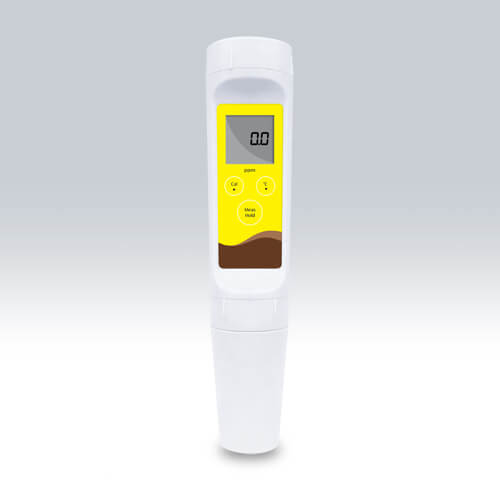
Understanding the Working Principle and Scientific Basis of the YR01811 Pocket TDS Meter
The YR01811 Pocket TDS Meter is an essential tool for measuring the total dissolved solids (TDS) in various liquids, notably in the laboratory and industrial settings. Understanding the working principle and scientific basis of this device not only enhances its operational effectiveness but also ensures accurate measurements, which are critical in various applications ranging from water quality testing to educational uses.
Technical Overview of the YR01811 Pocket TDS Meter
| Model | YR01811 |
|---|---|
| TDS Range | 0.5 to 100.0 ppm |
| Resolution | 0.1 ppm |
| Accuracy | ±1% F.S. |
| Calibration Point | 1 point |
| Calibration Solution | 71.8 ppm |
| Temperature Range | 0 to 50 °C |
| Temperature Compensation | 0 to 50 °C, automatic |
| Automatic Shutoff | 8 minutes after last key pressed |
| Power Supply | 3 LR44 1.5V alkaline batteries |
| Dimensions | 185(L)×40(Dia.)mm |
| Weight | 100g |
Principle of Operation
The YR01811 works on the principle of electrical conductivity, which is the ability of a solution to conduct electricity. This property is influenced by the concentration of ions in the solution, which correspondingly affects the TDS levels. The TDS meter uses a platinum conductivity cell that provides quick and reliable measurement results. The electrical conductivity is measured and converted into TDS through a conversion factor, which can be adjusted based on the specific application.
The conductivity cell in the YR01811 is designed to provide accurate readings across a range of TDS values. The device is calibrated using a single calibration point, which simplifies the process while maintaining precision. Understanding the calibration point is crucial as it directly influences the accuracy of the readings. A common calibration solution is 71.8 ppm, which is typically used for this type of measuring device.
Key Features and Their Scientific Justification
The YR01811 boasts several features designed for user convenience and accuracy. For instance, the adjustable TDS conversion factor allows users to modify the measurements according to the specific ionic composition of the liquid being tested. This feature acknowledges that different ions contribute differently to conductivity, thereby enhancing measurement accuracy.
Another notable feature is the hold function, which temporarily freezes the reading on the display. This is particularly useful when the meter is used in environments where quick reading is required but full attention cannot be given to the display immediately. Additionally, the automatic shutoff function serves to conserve battery life, ensuring that the device remains operational for extended periods without the need for frequent battery replacements.
Applications of the YR01811 Pocket TDS Meter
The versatility of the YR01811 ensures its application across various sectors. In the realm of water quality testing, it is invaluable for assessing the purity of drinking water and achieving compliance with environmental standards. In educational settings, it serves as a practical tool for demonstrating scientific principles related to conductivity and chemical composition.
Industrial applications also abound, with the YR01811 being utilized in processes that require precise monitoring of TDS levels, such as in food and beverage production, where the quality of ingredients is paramount. Additionally, aquaculture industries make use of the meter to ensure optimal water conditions for aquatic life.
Understanding Measurement Units and Results Interpretation
Measurements obtained from the YR01811 are expressed in parts per million (ppm), a unit that quantifies the concentration of dissolved solids in water. To interpret the results accurately, users must compare the readings against established norms for specific applications. For instance, drinking water typically should have TDS levels below 500 ppm for it to be considered safe for human consumption.
Common misinterpretations can arise when users do not account for the types of ions present in the solution. Therefore, it is crucial to combine TDS readings with other water quality parameters such as pH and turbidity for a comprehensive analysis of water quality.
Environmental Conditions for Optimal Operation
The YR01811 Pocket TDS Meter is designed to operate effectively within specified environmental parameters. The temperature operating range is between 0 to 50 °C, and the device automatically compensates for temperature variations, ensuring that readings remain consistent and accurate.
Humidity conditions should also be considered when operating the device, as excessive humidity may affect the electronics. Proper ventilation is recommended to eliminate heat buildup, which could impact the functionality of the meter. The device should be stored in a dry environment to prolong its lifespan and maintain measurement accuracy.
Frequently Asked Questions
What is the significance of TDS readings in water quality assessment?
TDS readings provide insight into the concentration of dissolved solids in water, which can indicate its purity and suitability for consumption or use in industrial applications. High TDS levels may signify contamination or excessive minerals, which can negatively impact taste and safety.
How frequently should the YR01811 be calibrated?
Calibration of the YR01811 should be performed regularly, especially after extensive use or when precise measurements are crucial. A good practice is to calibrate the device at least once a month or prior to important measurements.
Can I use the YR01811 in measuring TDS levels in saltwater?
Yes, the YR01811 can be used to measure TDS levels in saltwater; however, users should be mindful of the conductivity range and possible calibration adjustments related to saline solutions.
What maintenance is required for the YR01811 Pocket TDS Meter?
Regular maintenance includes cleaning the conductivity cell, checking battery levels, and ensuring that the instrument is stored in a protective case when not in use. Additionally, users should handle the device with care to avoid physical damage.
How long is the battery life of the YR01811, and how can it be extended?
The YR01811 typically offers around 150 hours of continuous use. To extend battery life, ensure the automatic shutoff feature is enabled and turn off the device when not in use.
What is the optimal temperature range for using the YR01811?
The optimal operating temperature range for the YR01811 is between 0 to 50 °C. Operating the device within this range ensures accurate readings and prolongs its longevity.
How can I request a quote for the YR01811?
You can request a quote through our dedicated channels for the YR01811. Simply reach out, and our team will provide you with all the necessary information.
If you are looking for a fusion of innovation and quality, you have come to the right place. At Kalstein, we offer you the luxury of exploring our exclusive catalog of laboratory equipment. We manufacture every device to the highest standards of excellence. Our intuitive and seamless online purchasing channels are designed for your convenience, securing the most competitive prices. Hesitate no longer — we bring science to life, it is time to become part of our community.