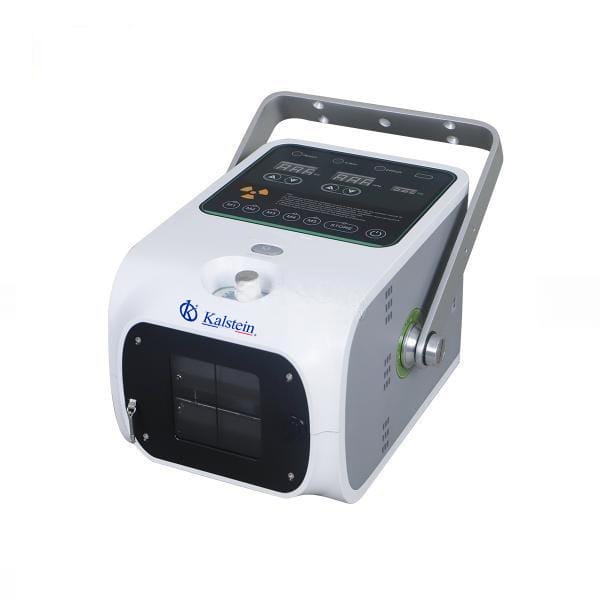
Understanding the Operating Principle and Scientific Foundations of the YR06161 Digital Portable X-ray for Equine
The YR06161 Digital Portable X-ray system represents a remarkable innovation in veterinary diagnostics, particularly for equine applications. To fully appreciate this tool, it is essential to understand the operating principles and scientific foundations that underpin its design and functionality.
Operating Principles of the YR06161 Digital Portable X-ray
The YR06161 operates on the principle of generating X-rays through controlled exposure of a digital sensor, which captures and converts the X-ray images into digital format. The core components of this system include a high-voltage generator, an X-ray tube, and a digital receptor. The interaction between the X-ray photons and the digital receptor allows for the creation of detailed images that can be analyzed for diagnostic purposes.
One of the key elements in the operation of the YR06161 is its adjustable kilovolt (kV) settings, which range from 50 to 90 kV. This range allows the operator to optimize the contrast and detail of the images based on the specific diagnostic requirements. Furthermore, the system incorporates adjustable milliampere-seconds (mAs) settings, allowing for precision in exposure time and radiation dose, which is crucial for minimizing radiation exposure to both the animal and the operator.
Scientific Foundations and Design Choices
The scientific foundation of the YR06161 lies in the physics of X-ray generation and detection. X-rays are produced when high-speed electrons collide with a metal target in the X-ray tube. This process releases energy in the form of X-ray photons. The design of the YR06161 incorporates a lightweight structure, weighing only 7 kg, making it highly portable and ideal for use in various environments, such as racetracks, pastures, and veterinary hospitals.
Additionally, the integrated large-capacity battery enables over 200 exposures, promoting efficiency and effectiveness in field conditions. The Bluetooth connectivity allows for real-time parameter adjustments, facilitating ease of use and enhancing the overall operation. Such design choices reflect a thorough understanding of the practical needs of veterinarians and the unique challenges faced in equine diagnostics.
Technical Specifications of YR06161
| Specification | Detail |
|---|---|
| Model | YR06161 |
| Power Supply | AC 220V/110V ±10% 50/60 Hz |
| Power (kW) | 1.6 |
| kV | 50 ~ 90 |
| mAs | 20 |
| mA | 20 |
| SID Measurement | Ultrasonic |
| Light Source On Time (sec) | 30 |
| Communication | RS232/Bluetooth |
| Exposure | Hand Switch/315M |
| Weight (kg) | 7 |
| Focal Spot Sizes Tube (mm) | 1.2 |
| Target Angle Tube | 16° |
Applications of the YR06161 in Veterinary Settings
The versatility of the YR06161 allows it to be effectively utilized in various veterinary settings, including racetracks, pastures, veterinary hospitals, and zoos. At racetracks, it provides quick diagnostics for racing horses, ensuring their readiness and health. In pastures, the lightweight design facilitates easy transport, allowing for immediate attention to injuries or conditions.
Veterinary hospitals benefit from the high image quality produced by the YR06161, enabling detailed examinations and accurate diagnoses. Zoos can utilize this technology to monitor the health of a wide range of animals, providing timely medical interventions when necessary.
Common Challenges and Troubleshooting Techniques
Even with advanced technology, challenges can arise during the operation of the YR06161. Common issues include failure to power on and inconsistent image quality. Understanding troubleshooting techniques is vital for effective use.
Common Issue: Equipment Does Not Power On
Ensure that the power supply is properly connected and operational. Verify that the battery is charged. If these steps do not resolve the issue, consult the user manual for further troubleshooting guidance.
Common Issue: Inconsistent Image Quality
This may stem from incorrect exposure settings. Adjust the kV and mAs settings according to the specific requirements of the examination. Additionally, check the alignment of the X-ray tube and the receptor for optimal image capture.
Frequently Asked Questions
What is the weight of the YR06161 X-ray system?
The YR06161 Digital Portable X-ray system weighs only 7 kg, making it highly portable and convenient for use in various locations.
How many exposures can the YR06161 perform on a single battery charge?
The system's large-capacity battery can provide over 200 exposures on a single charge, allowing for extended use in the field.
What types of environments can the YR06161 be used in?
The YR06161 is suitable for use in a variety of environments including racetracks, pastures, veterinary hospitals, and zoos.
How does Bluetooth connectivity enhance the functionality of the YR06161?
Bluetooth connectivity allows for real-time adjustments to exposure parameters, facilitating ease of use and improving the efficiency of the diagnostic process.
What is the significance of the adjustable kV settings in the YR06161?
The adjustable kV settings ranging from 50 to 90 kV permit optimization of image contrast and detail based on specific diagnostic needs, ensuring accurate assessments.
What are some common troubleshooting steps for the YR06161?
Common troubleshooting steps include checking the power supply, ensuring proper settings for exposure, and verifying the alignment of the X-ray tube with the receptor.
Where can I request a quote for the YR06161 Digital Portable X-ray?
Interested customers can request a quote for the YR06161 Digital Portable X-ray through our dedicated inquiry channels.
If you are looking for a fusion of innovation and quality, you have come to the right place. At Kalstein, we offer you the luxury of exploring our exclusive catalog of laboratory equipment. We manufacture every device to the highest standards of excellence. Our intuitive and seamless online purchasing channels are designed for your convenience, securing the most competitive prices. Hesitate no longer — we bring science to life, it is time to become part of our community.