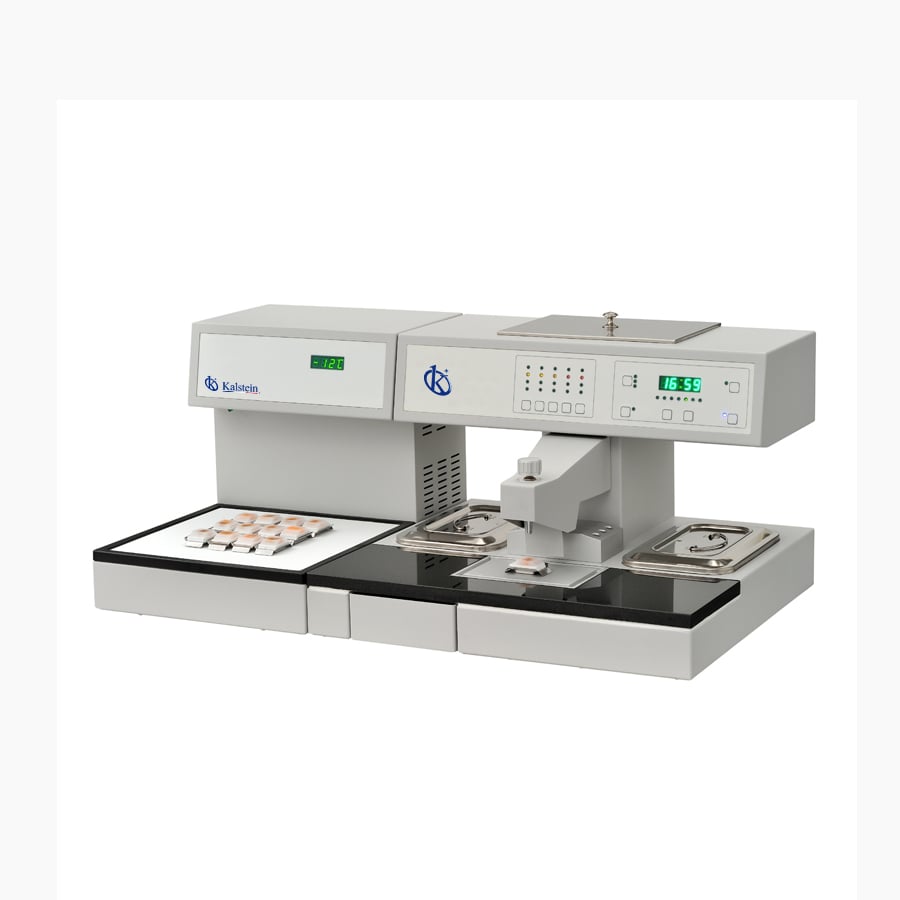
Tissue Embedding Systems in Academic Research: Enhancing University Projects
Tissue embedding systems are critical tools in histology and pathology laboratories, particularly in academic settings. These systems not only facilitate the preservation and processing of tissue samples but also play a pivotal role in ensuring the accuracy and reproducibility of research outcomes. This article delves into the applications of tissue embedding systems in academic research, providing a comprehensive overview of various models available and their specific features tailored to enhance university projects.
Understanding the Role of Tissue Embedding Systems in Academic Research
The integration of tissue embedding systems into academic research significantly impacts the quality and reliability of research data. These systems enable researchers to prepare tissue samples for microscopic examination, which is essential for a variety of studies, including cancer research, pharmacological testing, and developmental biology. By employing advanced embedding technologies, universities can ensure that their research outputs meet high standards of reproducibility and accuracy.
Comparison of Available Models
| Model | Paraffin Chamber Capacity (liters) | Temperature Range (℃) | Price (USD) | Best for |
|---|---|---|---|---|
| YR441 | 3 | 55 - 70 | 2200.00 | Versatile laboratory setups |
| YR447 | 4 | RT - 85 | 2800.00 | High-throughput processing |
| YR439 | 3 | 55 - 70 | 1300.00 | Budget-conscious laboratories |
| YR445 | 4 | RT - 85 | 1800.00 | Ergonomic setups |
| YR439-1 | ≥6 | TA-85 | 2100.00 | Advanced research projects |
| YR440B | - | 0 to -20 | 1100.00 | Sample preservation |
The Importance of Accurate Temperature Control in Research
Accurate temperature control in tissue embedding systems is paramount for optimal sample preservation. Models such as the YR447, with its precision range from room temperature to 85℃, and the YR441, operating between 55 - 70℃, ensure that the embedding process maintains tissue integrity. This temperature control is crucial when embedding delicate biological samples to prevent degradation or alteration of the tissue characteristics.
Optimizing Sample Throughput in University Labs
High-throughput capabilities are essential in academic laboratories where multiple samples are processed simultaneously. The YR447 model stands out with its capacity of 4 liters and a comprehensive temperature range, allowing for efficient processing of numerous samples. By optimizing throughput, universities can enhance their research capabilities, enabling faster results and more robust data sets.
Cost-Benefit Analysis of Tissue Embedding Systems for Universities
When universities invest in tissue embedding systems, they must evaluate the return on investment (ROI). For instance, the YR439, priced at $1300, offers a balance of functionality and cost-effectiveness for budget-conscious laboratories. By analyzing the initial capital expenditure against the long-term benefits of enhanced research quality and reproducibility, institutions can make informed decisions regarding equipment purchases.
Common Mistakes and How to Avoid Them
In the acquisition and usage of tissue embedding systems, university laboratories often encounter pitfalls that can hinder research outcomes. Common mistakes include inadequate temperature calibration, failure to maintain equipment, and improper sample handling. To avoid these issues, institutions should implement regular maintenance schedules and training modules to ensure that all staff are proficient in operating the embedding systems, fostering an environment that prioritizes quality and precision.
Frequently Asked Questions
How do tissue embedding systems improve research accuracy in universities?
Tissue embedding systems, like the YR445, enhance research accuracy by ensuring optimal sample preparation conditions. This model maintains precise temperature controls, preventing tissue degradation and allowing for reliable analysis. Accurate sample preparation is critical in obtaining reproducible results in academic research.
Which features should I look for in a tissue embedding system for academic projects?
When selecting a tissue embedding system, consider features such as temperature range, capacity, and user interface. The YR447, for example, offers high capacity and programmable functionalities, making it ideal for intensive academic projects that require reliable performance.
What is the average cost of a laboratory-grade tissue embedding system?
The average cost of laboratory-grade tissue embedding systems varies widely. For instance, the YR439 is priced at $1300, making it accessible for budget-conscious research projects, while more advanced systems like the YR447 may cost up to $2800, reflecting their enhanced capabilities.
How can tissue embedding systems facilitate multi-user academic research?
Tissue embedding systems like the YR439-1 allow for programmable start/stop features, which facilitate multi-user access in academic settings. This programmability allows different researchers to schedule their work without conflict, optimizing lab time and resources.
What temperature range is best for tissue embedding systems in academic research?
For academic research, systems with a broad temperature range, such as the YR447 (RT - 85℃), are advantageous. This range accommodates various embedding materials, ensuring optimal tissue preservation across diverse research applications.
How often should laboratory-grade tissue embedding systems be calibrated?
Laboratory-grade tissue embedding systems should be calibrated regularly, ideally once every few months, depending on usage frequency. Consistent calibration ensures that models like the YR441 maintain temperature accuracy, which is critical for reproducible research results.
What are the energy consumption rates of modern tissue embedding systems?
Modern tissue embedding systems, such as the YR440B, are designed to minimize energy consumption while maintaining performance. This model not only uses environmentally friendly refrigerants but also operates efficiently, significantly reducing energy usage compared to older models.
How can I choose the best tissue embedding system for my university lab?
To choose the best tissue embedding system, evaluate the specific needs of your research projects. Consider factors like sample volume, temperature control, and budget; models like the YR447 are suitable for high-throughput environments, while the more affordable YR439 is ideal for smaller labs.
If you are looking for a fusion of innovation and quality, you have come to the right place. At Kalstein, we offer you the luxury of exploring our exclusive catalog of laboratory equipment. We manufacture every device to the highest standards of excellence. Our intuitive and seamless online purchasing channels are designed for your convenience, securing the most competitive prices. Hesitate no longer — we bring science to life, it is time to become part of our community.