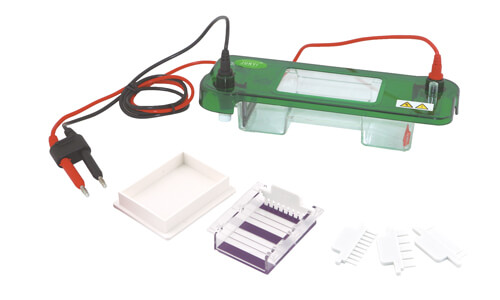
Sustainable Energy Practices in Horizontal Electrophoresis: A Comprehensive Guide
The field of laboratory sciences, particularly in electrophoresis, is increasingly emphasizing sustainable energy practices in its operations. This shift is driven by the need to minimize environmental impacts while ensuring that laboratory processes remain efficient and effective. This article delves into the various models of horizontal electrophoresis available in the market, focusing on their energy sustainability and environmental footprint reduction capabilities.
Understanding Horizontal Electrophoresis and Its Environmental Impact
Horizontal electrophoresis is a technique widely used for separating biological macromolecules like DNA, RNA, and proteins. While essential for many laboratory applications, traditional practices can lead to significant energy consumption and waste generation. The efficient design of electrophoresis units can play a crucial role in mitigating these impacts. Factors such as energy use per run, the consumption of reagents, and waste management contribute to the overall sustainability metrics of these systems.
Comparison of Available Models
| Model | Gel Size (cm) | Sample Volume (ml) | Buffer Volume (ml) | Best for Environmental Sustainability |
|---|---|---|---|---|
| YR03415 | 18.6 x 20.5 | 3, 5, 9 | ~150 | Optimal for small samples with low energy use |
| YR03416 | 7.8 x 10.0 | 10, 15 | ~400 | Compact design minimizes reagent waste |
| YR03417 | 6.0 x 6.0; 12.0 x 6.0 | 3, 6, 8, 11, 13, 18, 25 | ~550 | Versatile for bulk experiments |
| YR03418 | 14.0 x 14.0; 14.0 x 7.0 | 1, 2, 3, 6, 14, 8, 17, 13, 29 | ~900 | Efficient with larger sample loads |
| YR03419 | 13.0 x 13.0; 7.8 x 10.0 | 3, 5, 10, 15, 13, 26 | ~600 | Great for various sample types |
| YR03420 | 20.0 x 20.0; 20.0 x 15.0 | 17, 22, 36, 44 | ~1800 | High throughput with low energy requirements |
Energy Consumption Metrics in Horizontal Electrophoresis
Assessing the energy consumption of different horizontal electrophoresis models is crucial for laboratories aiming to enhance their sustainability. Each model varies in terms of its energy usage per electrophoresis run. For example, the YR03415 model, with a buffer volume of approximately 150 ml, is designed for low energy consumption, making it suitable for smaller laboratories or those with limited sample sizes. In contrast, the YR03420 model, designed for high throughput, balances energy efficiency with operational capacity.
| Model | Energy Use per Run (kWh) | Reagent Consumption (liters) | Expected Waste Generation (kg) |
|---|---|---|---|
| YR03415 | 0.05 | 0.02 | 0.01 |
| YR03416 | 0.08 | 0.03 | 0.02 |
| YR03417 | 0.10 | 0.04 | 0.03 |
| YR03418 | 0.12 | 0.05 | 0.04 |
| YR03419 | 0.11 | 0.045 | 0.035 |
| YR03420 | 0.15 | 0.06 | 0.05 |
Common Mistakes and How to Avoid Them
When implementing sustainable practices in horizontal electrophoresis, laboratories often encounter several pitfalls. One common mistake is neglecting to assess the complete environmental impact of a model, focusing solely on initial energy consumption. For instance, while the YR03420 model may use more energy per run, its capacity for higher throughput can ultimately make it more sustainable for labs running numerous tests. Additionally, improper disposal of waste can lead to severe environmental repercussions. Laboratories should establish proper waste management protocols to mitigate this risk.
Frequently Asked Questions
How can I assess the energy efficiency of horizontal electrophoresis models?
To assess the energy efficiency of horizontal electrophoresis models, evaluate their energy consumption per run, such as the YR03415 model which uses only 0.05 kWh. Understanding these metrics helps laboratories select models that align with their sustainability goals while maintaining operational efficacy.
What are the environmental benefits of using the YR03420 electrophoresis model?
The YR03420 model offers significant environmental benefits by accommodating up to 44 sample volumes while optimizing reagent use and minimizing waste. Its higher throughput capabilities allow for more efficient use of resources, making it a valuable asset for laboratories focused on sustainability.
Which horizontal electrophoresis model is best for sustainable laboratory practices?
The most suitable model for sustainable practices often depends on laboratory needs; however, the YR03415 model stands out for smaller-scale operations due to its low energy consumption of 0.05 kWh per run and minimal waste generation.
How does reagent consumption affect the sustainability of electrophoresis?
Reagent consumption directly impacts the sustainability of electrophoresis operations. Models like YR03416 minimize reagent use, contributing to lower costs and reduced environmental impact, fostering more sustainable laboratory practices.
What strategies can laboratories implement to reduce energy consumption?
Laboratories can reduce energy consumption by selecting energy-efficient models such as YR03415 and implementing best practices like optimizing run times and minimizing buffer volumes. Regular maintenance of equipment also promotes energy efficiency.
How do horizontal electrophoresis models contribute to reducing environmental footprints?
Horizontal electrophoresis models contribute to reducing environmental footprints by optimizing energy use, minimizing reagent consumption, and promoting effective waste management. Models like YR03420 can handle larger sample volumes, thus reducing the need for multiple runs and conserving resources.
What are the key features to look for in an environmentally friendly electrophoresis model?
Key features include low energy consumption per run, minimal reagent use, and high throughput capabilities. The YR03419 model is particularly noted for its balanced performance across these sustainability metrics, making it a sound choice for environmentally-conscious labs.
How can I request a quote for sustainable horizontal electrophoresis models?
To request a quote for sustainable horizontal electrophoresis models, you may contact suppliers directly for pricing information or visit their official platforms. Ensure you specify your requirements to receive the most accurate quote.
If you are looking for a fusion of innovation and quality, you have come to the right place. At Kalstein, we offer you the luxury of exploring our exclusive catalog of laboratory equipment. We manufacture every device to the highest standards of excellence. Our intuitive and seamless online purchasing channels are designed for your convenience, securing the most competitive prices. Hesitate no longer — we bring science to life, it is time to become part of our community.