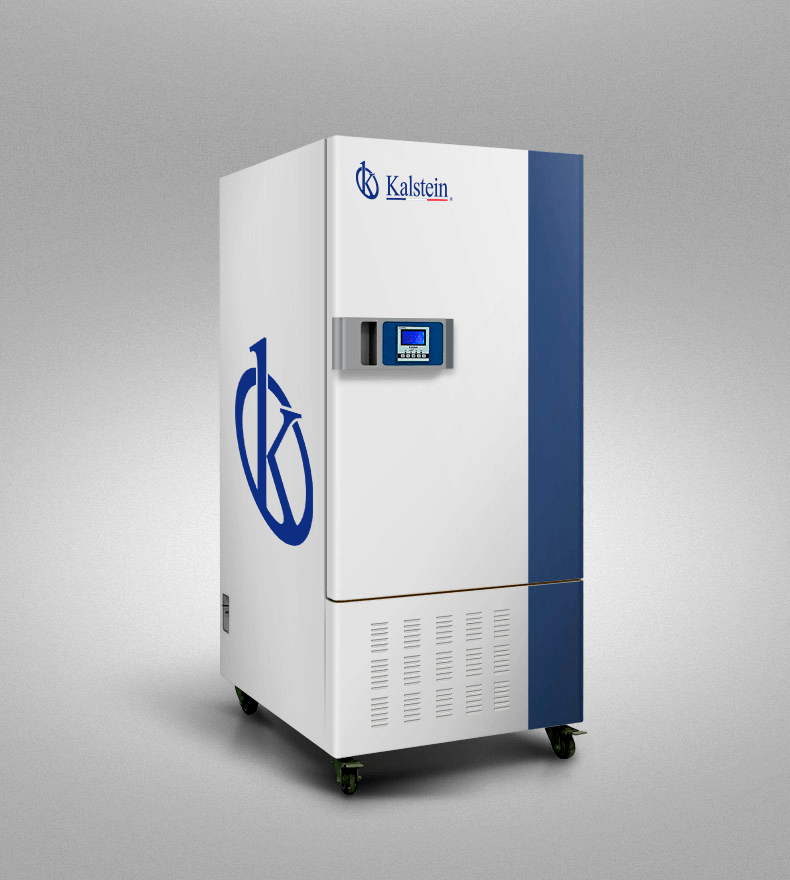
How to Improve Sustainability and Reduce Environmental Footprint with Constant Temperature and Humidity Chambers?
Constant temperature and humidity chambers play a critical role in various laboratory applications, including product testing, biological research, and pharmaceutical development. As laboratories increasingly focus on sustainability and minimizing their environmental impact, it becomes essential to understand how these chambers can contribute to energy efficiency and reduced waste. This article will explore actionable strategies for improving sustainability while utilizing constant temperature and humidity chambers.
Understanding the Importance of Energy Sustainability in Laboratories
Laboratories are often significant energy consumers, contributing to a large carbon footprint. Energy sustainability in laboratories is vital for reducing operating costs and adhering to environmental regulations. By implementing energy-efficient practices and technologies, laboratories can minimize their energy consumption, ultimately resulting in a lower environmental impact. Constant temperature and humidity chambers, commonly used in laboratories, present an opportunity to enhance sustainability through their design and operation.
Key Features of Constant Temperature and Humidity Chambers
When choosing constant temperature and humidity chambers, it is essential to consider features that enhance energy efficiency and sustainability. These features include:
- Adaptive Temperature Control: Models like YR05334 employ adaptive control systems that optimize energy use while maintaining precise temperature settings.
- High-Efficiency Insulation: Effective insulation reduces energy loss, as seen in the YR05335, which maximizes internal consistency and minimizes energy consumption.
- LED Monitoring Displays: Large LED displays, as featured in all models, provide real-time data, enabling efficient monitoring and adjustments to avoid energy waste.
Strategies for Reducing Energy Consumption in Constant Temperature Chambers
Implementing specific strategies can significantly reduce energy consumption in constant temperature and humidity chambers:
Regular Maintenance and Calibration
Routine maintenance and calibration of your chambers ensure optimal performance and efficiency. For example, the YR05336 can function efficiently with regular checks on sensor accuracy and insulation integrity, leading to reduced energy use.
Optimizing Chamber Load
Loading chambers with the appropriate number of samples can prevent energy waste. For instance, overloading can lead to fluctuating temperatures, prompting additional energy consumption. The YR05337 model is designed for various sample sizes, making it easier to optimize load for efficiency.
Utilizing Energy-Saving Modes
Many modern constant temperature chambers, including the YR05338, offer energy-saving modes that automatically adjust conditions during non-peak hours. Utilizing these modes can significantly lower energy consumption without compromising testing integrity.
Comparison of Available Models
| Model | Temperature Range (°C) | Humidity Range (%) | Price (USD) | Best Use Case |
|---|---|---|---|---|
| YR05334 | 0~60 | 40~95 | 1870.00 | Long-term experiments and plant studies |
| YR05335 | 0~60 | 40~95 | 2220.00 | Sample testing and life cycle studies |
| YR05336 | 0~60 | 40~95 | 3140.00 | Pharmaceutical research and microbial studies |
| YR05337 | 0~60 | 40~95 | 1900.00 | Testing for structural materials |
| YR05338 | 0~60 | 40~95 | 2250.00 | Environmental simulation testing |
| YR05339 | 0~60 | 40~95 | 3180.00 | Advanced biological research |
Common Mistakes and How to Avoid Them
Laboratory professionals often make mistakes regarding sustainable practices when using constant temperature and humidity chambers. Here are common pitfalls and how to avoid them:
Underestimating Equipment Calibration
Failing to regularly calibrate chambers can lead to inefficient energy use. Ensure that models like YR05336 are calibrated according to manufacturer specifications for optimal performance.
Neglecting Insulation Integrity
Over time, insulation can deteriorate, leading to energy loss. Regularly inspect and maintain insulation in all models, including YR05335, to ensure energy efficiency.
Inadequate Training on Equipment Use
Laboratory staff must be adequately trained on the best practices for using these chambers. Proper training can lead to better energy management and enhanced sustainability.
Frequently Asked Questions
What are the energy efficiency features of the YR05334 constant humidity chamber?
The YR05334 constant temperature and humidity chamber includes features such as adaptive temperature control and high-efficiency insulation, which help to significantly reduce energy consumption while maintaining precise environmental conditions.
How does proper chamber loading affect sustainability in laboratories?
Properly loading constant temperature chambers like YR05336 can prevent energy waste by minimizing temperature fluctuations. This approach conserves energy and enhances the sustainability of laboratory operations.
Which constant temperature chamber provides the best environmental monitoring capabilities?
The YR05335 model is designed for monitoring various environmental conditions effectively, making it ideal for laboratories focusing on sustainability and energy efficiency in their testing processes.
What maintenance practices are essential for reducing the energy footprint of these chambers?
Regular calibration and inspection of insulation are critical maintenance practices. Models like YR05337 require routine checks to ensure optimal energy performance and reduce the environmental footprint.
How can energy-saving modes in constant temperature chambers enhance sustainability?
Models such as YR05338 offer energy-saving modes that adjust conditions automatically during non-peak hours, significantly lowering energy consumption without compromising the integrity of experiments.
Why is it important to invest in high-efficiency constant temperature chambers?
Investing in high-efficiency models like YR05339 can lead to long-term savings in energy costs, improved sustainability, and compliance with increasing environmental regulations in laboratory settings.
Conclusion
Enhancing sustainability and reducing the environmental footprint in laboratories is becoming increasingly critical in today’s energy-conscious world. Utilizing constant temperature and humidity chambers effectively can lead to significant energy savings while maintaining high standards of testing and research. By implementing best practices, choosing the right models, and conducting regular maintenance, laboratories can contribute positively to environmental efforts while optimizing their operational efficiency.
If you are looking for a fusion of innovation and quality, you have come to the right place. At Kalstein, we offer you the luxury of exploring our exclusive catalog of laboratory equipment. We manufacture every device to the highest standards of excellence. Our intuitive and seamless online purchasing channels are designed for your convenience, securing the most competitive prices. Hesitate no longer — we bring science to life, it is time to become part of our community.