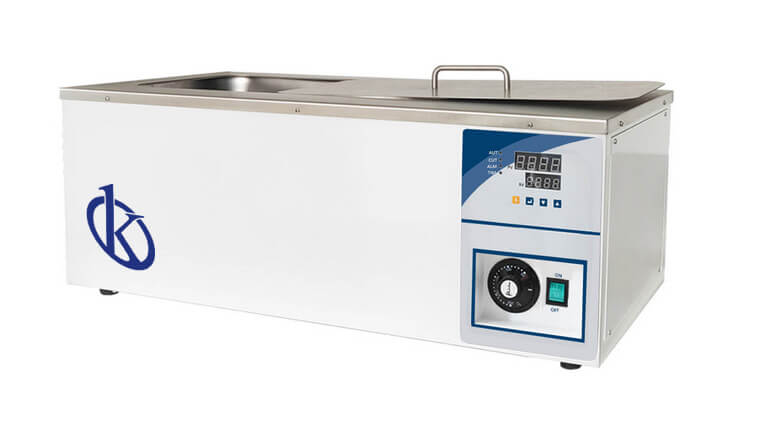
Understanding ROI and Cost-Benefit Analysis for Oil Baths in Laboratories
In the ever-evolving landscape of laboratory equipment, oil baths are crucial for maintaining precise temperatures in various applications. Understanding the return on investment (ROI) and performing a cost-benefit analysis can significantly influence purchasing decisions for laboratory professionals. This article dives deep into how these financial assessments apply to oil baths, supporting informed decisions.
Framing the Importance of ROI and Cost-Benefit Analysis in Laboratories
Laboratories are constantly seeking to optimize their operations, and understanding ROI and cost-benefit analysis is fundamental in achieving this goal. By evaluating the total cost of ownership (TCO) including initial investment, maintenance, and operational costs, laboratory managers can ensure the selection of an oil bath that maximizes efficiency and productivity.
The importance of thorough financial assessments cannot be understated, as they impact not just immediate costs but also long-term operational efficiency. This article will examine the various models of oil baths available, the financial implications of their usage, and how each model aligns with laboratory requirements.
Comparison of Available Models
| Model | CAPEX (USD) | Power (W) | Temperature Range (°C) | Best For |
|---|---|---|---|---|
| YR04973 | 150.00 | 1000 | RT +5~250 | General laboratory use |
| YR04974 | 165.00 | 1200 | RT +5~250 | Food industry processes |
| YR04975 | 192.00 | 1600 | RT +5~250 | Bioengineering applications |
| YR04976 | 250.00 | 2000 | RT +5~250 | Chemical industry tests |
Key Considerations for ROI in Laboratory Oil Baths
When evaluating ROI for oil baths, consider both capital expenditures (CAPEX) and operational expenditures (OPEX). CAPEX includes the purchase price, while OPEX covers maintenance, energy consumption, and potential downtime. By calculating these costs against the expected output, laboratories can gauge the effectiveness of their investments.
For instance, using the YR04975 model with a power rating of 1600W and a cost of $192.00 allows for versatile applications requiring high temperature stability, thus minimizing operational disruptions. Evaluating such metrics is essential for aligning laboratory needs with budget constraints.
Cost-Benefit Analysis Techniques for Oil Baths
Cost-benefit analysis in the context of oil baths involves comparing the benefits gained from using these devices against the costs incurred. Key benefits to consider include enhanced temperature control, versatility in applications, and increased throughput in laboratory processes.
For instance, the YR04976 model, priced at $250.00 and capable of reaching temperatures from RT +5~250°C, offers significant advantages for laboratories specializing in chemical testing. The ability to maintain precision under varying conditions can lead to cost savings on consumables and reduced wastage over time.
Practical Impacts of Poor ROI Assessment
Failing to properly assess ROI can lead to misallocated resources and suboptimal purchasing decisions. A laboratory that invests in a model like YR04973 without evaluating its usage frequency and operational needs might find itself spending unnecessarily on energy and maintenance.
Additionally, inadequate analysis may result in purchasing an oil bath that does not meet specific laboratory demands, thereby increasing turnaround times and negatively impacting overall productivity. This underscores the need for thorough evaluation prior to procurement.
Common Mistakes and How to Avoid Them
Several common pitfalls exist in evaluating oil baths for laboratories. A frequent error is overlooking the long-term costs associated with energy consumption and maintenance. Laboratory managers should consider not just the initial price but also the operational costs over the expected lifespan of the oil bath.
Another mistake is failing to match the model's capabilities with laboratory requirements. For example, selecting the YR04974 model for a high-demand food testing environment without adequate power might lead to inefficiencies.
Lastly, neglecting to train staff on optimal usage can result in subpar performance. Proper training ensures that all features are utilized effectively, contributing to better ROI.
Improving Efficiency with Oil Baths: Best Practices
To maximize the benefits of oil baths, laboratories should implement best practices that enhance efficiency. First, ensure that the oil bath is regularly calibrated to maintain accuracy. Calibration should be performed at least annually or more frequently if the device is heavily used.
Moreover, labs should maintain operational logs to track usage patterns and identify potential areas for improvement. This data can inform decisions on future investments or adjustments to workflows. Utilizing models like YR04975, which offers a robust range of features, can also help streamline processes in demanding environments.
Frequently Asked Questions
How can I calculate the ROI for oil baths in my laboratory?
To calculate the ROI for oil baths, consider both CAPEX and OPEX. For example, the YR04974 model costs $165.00 upfront, and by analyzing its energy consumption and efficiency in processes, you can gauge its financial effectiveness over time. This calculation helps in making informed purchasing decisions.
What are the operational costs associated with using oil baths?
Operational costs associated with oil baths typically include energy consumption, maintenance, and potential replacement of parts. For example, if using the YR04976 model, the 2000W power consumption may impact electricity costs. Evaluating these factors helps determine long-term financial commitment.
Which oil bath model offers the best energy efficiency?
The YR04973 model, at $150.00 with a power rating of 1000W, offers an excellent balance of performance and energy efficiency for general laboratory use. By comparing power consumption and output, you can assess which model fits your energy-saving goals best.
How long is the payback period for an oil bath investment?
The payback period for an oil bath investment can vary greatly, depending on usage and operational efficiency. For instance, with the YR04975 model costing $192.00, if it reduces testing time significantly, the payback could be realized in a matter of months, depending on the lab's operational scale.
What considerations are crucial for oil bath selection?
Key considerations for selecting oil baths include temperature range, power consumption, and application needs. For example, YR04976 is ideal for chemical tests but may be overkill for simple bioengineering tasks. Aligning model capabilities with laboratory requirements ensures better utilization.
Can oil baths be used in various laboratory settings?
Yes, oil baths like YR04974 can be effectively utilized in diverse settings, including bioengineering, chemical testing, and food industries. The versatility allows for a wide application range, enhancing operational capabilities across different laboratory contexts.
How do I know if my oil bath is operating efficiently?
Regular calibration and monitoring of performance metrics can indicate if your oil bath operates efficiently. For instance, using the YR04975 model, if temperature fluctuations exceed ±0.5°C, it may require recalibration to maintain optimal performance.
Conclusion
Understanding ROI and cost-benefit analysis is essential for laboratory professionals when investing in oil baths. With the right tools and assessments, laboratories can enhance efficiency, reduce costs, and maximize output. By considering models like YR04973, YR04974, YR04975, and YR04976, decision-makers can ensure they invest wisely.
If you are looking for a fusion of innovation and quality, you have come to the right place. At Kalstein, we offer you the luxury of exploring our exclusive catalog of laboratory equipment. We manufacture every device to the highest standards of excellence. Our intuitive and seamless online purchasing channels are designed for your convenience, securing the most competitive prices. Hesitate no longer — we bring science to life, it is time to become part of our community.