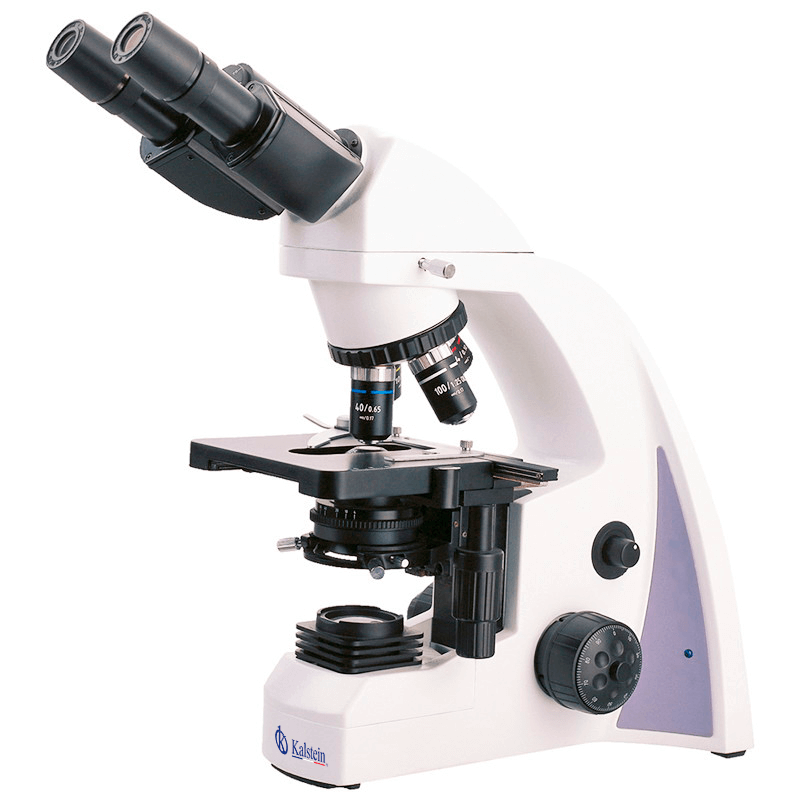
Understanding ROI and Cost-Benefit Analysis for Laboratory Microscopes
In today's laboratory environment, evaluating the return on investment (ROI) and conducting cost-benefit analysis is crucial for decision-making regarding the acquisition of laboratory equipment, particularly microscopes. With the variety of models available, it is essential for laboratory managers and procurement officers to understand the financial implications of their choices. This article aims to explore the ROI and cost-benefit analysis specifically for laboratory microscopes, enabling laboratory professionals to make informed decisions.
Framing ROI and Cost-Benefit Analysis in Laboratory Settings
ROI is a measure used to evaluate the efficiency of an investment, indicating how much profit or loss an investment generates relative to its cost. In a laboratory context, acquiring new equipment like microscopes can represent a significant financial commitment. Understanding cost-benefit analysis helps quantify the benefits derived from a microscope against its purchase and operational costs. This analysis focuses on various factors, including the capabilities of the microscope, expected lifespan, maintenance costs, and potential increase in productivity.
Factors Influencing ROI in Laboratory Microscopes
Several factors contribute to the ROI of laboratory microscopes, including:
- Initial Purchase Cost: The upfront price of the microscope can significantly affect ROI. More expensive models may offer advanced features that could lead to higher productivity.
- Operational Costs: These include maintenance, repairs, and the cost of consumables. Understanding these expenses helps in forecasting long-term costs.
- Usage Efficiency: Evaluating how quickly and effectively the microscope can process samples can lead to improved throughput and better resource allocation.
- Results Quality: Better imaging and analysis capabilities can result in higher-quality results, potentially leading to an enhanced reputation and more business.
Evaluating Cost-Benefit with Different Models
To effectively evaluate cost-benefit, various microscope models must be compared based on their respective features and financial implications. Below is a comparison of several laboratory microscope models, focusing on aspects that are critical to ROI.
Comparison of Available Models
| Model | CAPEX (USD) | Cost per Test (USD) | Payback (Months) | Recommended Scenario |
|---|---|---|---|---|
| YR0237-0-1 | 437.00 | 0.50 | 10 | Basic laboratory use with moderate throughput |
| YR0237-1 | 491.00 | 0.55 | 12 | Advanced laboratory with high precision needs |
| YR0237-1-1 | 448.10 | 0.53 | 11 | Multi-user environments requiring versatility |
Quantitative Breakdown of ROI
To assess the ROI quantitatively, it is beneficial to break down various costs associated with each model over a standard period:
| Model | Initial Cost (USD) | Annual Maintenance (USD) | Projected Lifespan (Years) | Total Cost Over Lifespan (USD) | Expected Revenue Increase (Annual) (USD) | Net Revenue After Costs (USD) |
|---|---|---|---|---|---|---|
| YR0237-0-1 | 437.00 | 50.00 | 5 | 687.00 | 2000.00 | 1313.00 |
| YR0237-1 | 491.00 | 60.00 | 5 | 811.00 | 2200.00 | 1389.00 |
| YR0237-1-1 | 448.10 | 55.00 | 5 | 748.10 | 2100.00 | 1351.90 |
Common Mistakes and How to Avoid Them
Laboratories often make critical mistakes when evaluating ROI and cost-benefit analysis for microscopes. Here are some common pitfalls:
- Ignoring Total Cost of Ownership: Many professionals focus solely on the purchase price without considering long-term operational costs. Ensure to include maintenance and consumables in your analysis.
- Failing to Assess Productivity Gains: The potential productivity improvement from a new microscope should be a significant factor in your ROI calculation. Always quantify how a new model can increase throughput.
- Not Involving End-users: Involve the laboratory staff who will be using the microscope in the decision-making process. Their insights on functionality and usability are invaluable.
Frequently Asked Questions
What are the long-term cost benefits of using the Laboratory Microscope YR0237-1?
The Laboratory Microscope YR0237-1 has a projected annual maintenance cost of $60.00. Over a lifespan of five years, this results in a total cost of ownership of $811.00, making it a wise investment considering the expected annual revenue increase of $2200.00.
How does the Laboratory Microscope YR0237-0-1 compare in ROI to its counterparts?
With a total cost of ownership of $687.00 over five years, the Laboratory Microscope YR0237-0-1 offers a net revenue after costs of $1313.00, indicating a favorable ROI compared to other models.
What factors should I consider when evaluating the Laboratory Microscope YR0237-1's ROI?
When evaluating the Laboratory Microscope YR0237-1, consider initial costs, annual maintenance, expected lifespan, and productivity improvements it can bring, as they all contribute to the overall ROI.
How can the Laboratory Microscope YR0237-1 improve laboratory efficiency?
The Laboratory Microscope YR0237-1 is designed for precise imaging with easy operation, which can lead to faster sample processing, thereby boosting laboratory efficiency and potentially increasing throughput.
What is the expected payback period for the Laboratory Microscope YR0237-1-1?
The expected payback period for the Laboratory Microscope YR0237-1-1 is approximately 11 months, making it a quick-return investment for laboratories looking to enhance their capabilities.
How much can I save on operational costs with the Laboratory Microscope YR0237-0-1?
By utilizing the Laboratory Microscope YR0237-0-1 and maintaining its operational efficiency, laboratories can save on annual operational costs, particularly if the cost per test is minimized to $0.50.
What return can I expect from investing in a microscope like YR0237-1?
Investing in the Laboratory Microscope YR0237-1 can yield significant returns, with a projected net revenue of $1389.00 over five years, considering its effective operational capabilities and maintenance costs.
How does the cost per test of the Laboratory Microscope YR0237-1 compare to others?
The cost per test for the Laboratory Microscope YR0237-1 is approximately $0.55, which is competitive compared to other models, making it a cost-effective choice for laboratories.
If you are looking for a fusion of innovation and quality, you have come to the right place. At Kalstein, we offer you the luxury of exploring our exclusive catalog of laboratory equipment. We manufacture every device to the highest standards of excellence. Our intuitive and seamless online purchasing channels are designed for your convenience, securing the most competitive prices. Hesitate no longer — we bring science to life, it is time to become part of our community.