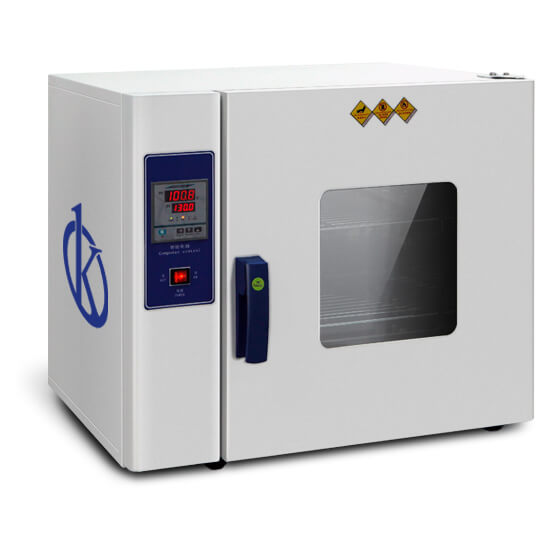
How to Analyze ROI and Cost-Benefit for Drying Ovens in Laboratories?
In the rapidly evolving field of laboratory equipment, making informed decisions is crucial for maximizing efficiency and minimizing costs. Drying ovens are essential tools for various laboratory applications, including drying, sterilization, and thermal treatment. This article delves into the return on investment (ROI) and cost-benefit analysis of different models of drying ovens, helping laboratory professionals choose the right equipment for their needs.
Understanding ROI in Laboratory Equipment Investment
Return on investment (ROI) is a key metric that helps laboratories evaluate the profitability of their investments. It is calculated by comparing the net profit generated from an investment to its cost. For drying ovens, ROI can be influenced by factors such as purchase price, operating costs, and the efficiency of the unit in performing its required tasks.
Cost-Benefit Analysis: A Comprehensive Approach
A cost-benefit analysis provides a detailed comparison of all costs associated with purchasing and operating a drying oven against the benefits it brings to the laboratory. This includes initial capital expenditure (CAPEX), operational expenditure (OPEX), and tangible benefits such as improved throughput and reduced downtime.
Comparison of Available Models
| Model | CAPEX (USD) | Cost per Test (USD) | Payback Period (Months) | Recommended Scenario |
|---|---|---|---|---|
| YR05244 | 295.00 | 3.00 | 12 | Routine drying applications |
| YR05245 | 364.00 | 4.00 | 15 | Medium-scale sterilization tasks |
| YR05246 | 486.00 | 5.50 | 18 | Research laboratories needing precision |
| YR05247 | 598.00 | 7.00 | 24 | High-demand drying processes |
| YR05248-A | 162.00 | 2.50 | 10 | Small laboratories or low-budget applications |
| YR05249-A | 180.00 | 2.80 | 11 | Routine laboratory work |
Evaluating Energy Consumption and Sustainability
Energy consumption is a significant factor in the operating costs of drying ovens. Evaluating the kilowatt-hours (kWh) used per run can provide insights into the long-term cost implications of each model. Additionally, energy-efficient models can contribute to sustainability initiatives within laboratories.
Integrating Drying Ovens into Laboratory Workflow
Efficient integration of drying ovens within laboratory workflows can enhance productivity. Factors such as sample throughput, automation options, and compatibility with existing laboratory systems should be assessed when choosing a model.
Common Mistakes and How to Avoid Them
When selecting drying ovens, laboratories often make several common mistakes. These include underestimating the importance of energy efficiency, neglecting to consider the total cost of ownership, and failing to align equipment capabilities with specific laboratory needs. To avoid these pitfalls, conducting thorough research and performing a comprehensive cost-benefit analysis is essential.
Frequently Asked Questions
What factors influence the ROI of drying ovens in laboratories?
The ROI of drying ovens, such as the YR05246 model, is influenced by initial costs, operational expenses, and the efficiency of the drying process. Taking into account energy consumption and maintenance can also significantly impact overall profitability.
How can I perform a cost-benefit analysis for drying ovens?
A cost-benefit analysis for drying ovens involves comparing acquisition costs against expected savings and benefits. For instance, the YR05248-A model, priced at $162, may offer lower operational costs, enhancing the overall benefit for small labs.
What is the average payback period for drying ovens?
The average payback period for drying ovens can range from 10 to 24 months, depending on the model. For example, the YR05244 offers a payback period of about 12 months, making it suitable for routine applications.
How does energy efficiency affect the costs of drying ovens?
Energy-efficient models, like the YR05249-A, help reduce operational costs over time. Evaluating the kWh per run can provide insights into long-term energy expenses, impacting the total cost of ownership.
Which drying oven model is best for high-demand applications?
The YR05247 model is best suited for high-demand applications, given its capabilities and efficient drying processes. Its investment, with a CAPEX of $598, can yield substantial returns in productivity.
How can I ensure that a drying oven meets laboratory standards?
To ensure compliance with laboratory standards, select models with robust features like temperature precision and alarm systems. The YR05246 model meets high uniformity requirements, making it ideal for standards compliance.
What are the key considerations for integrating drying ovens into workflows?
Key considerations include sample throughput, automation, and compatibility with existing systems. For example, the YR05248-A is a cost-effective choice for small laboratories needing efficient integration.
What are the common pitfalls when choosing drying ovens for labs?
Common pitfalls include not considering total operating costs, underestimating energy consumption, and misaligning equipment specifications with laboratory needs. Conducting thorough analyses can mitigate these risks.
If you are looking for a fusion of innovation and quality, you have come to the right place. At Kalstein, we offer you the luxury of exploring our exclusive catalog of laboratory equipment. We manufacture every device to the highest standards of excellence. Our intuitive and seamless online purchasing channels are designed for your convenience, securing the most competitive prices. Hesitate no longer — we bring science to life, it is time to become part of our community.