How to Assess Return on Investment and Cost-Benefit Analysis for Chemical Analyzers
Evaluating the return on investment (ROI) and conducting a cost-benefit analysis are critical steps for laboratory managers aiming to optimize their operations with chemical analyzers. Understanding these financial metrics enables labs to make informed decisions when selecting equipment that meets both their technical and budgetary requirements. This article delves into various models available in the chemical analyzer category, emphasizing how each contributes to ROI and cost-effectiveness.
Understanding ROI in the Context of Chemical Analyzers
ROI is a financial metric used to evaluate the efficiency of an investment, calculated by dividing the net profit from the investment by the initial cost. In laboratory settings, ROI can be influenced by several factors such as the cost per test, maintenance expenses, and the volume of samples processed. High-throughput analyzers can provide significant returns due to their ability to process large volumes efficiently.
For example, the Automatic Chemistry Analyzer YR06075 can conduct up to 560 tests per hour, making it ideal for high-demand environments. This capability can drastically reduce labor costs and increase throughput, enhancing overall ROI.
Cost-Benefit Analysis of Chemical Analyzers
A cost-benefit analysis provides a comparison of the expected costs of a chemical analyzer against the anticipated benefits. This analysis should include initial capital expenditures (CAPEX), operational costs (OPEX), and potential savings or revenue generated from the output of tests.
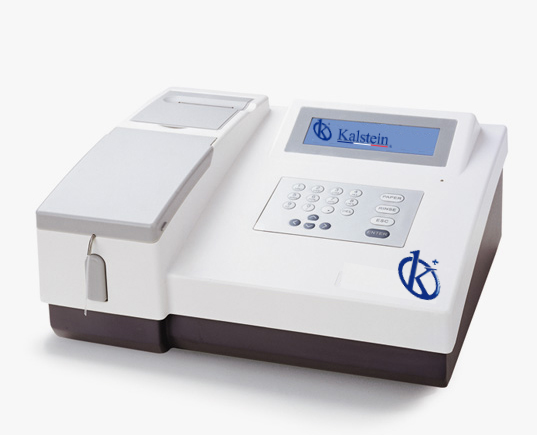
For instance, the Semi-Automatic Chemistry Analyzer YR05115 has a lower initial price point of approximately $800, yet its efficiency in providing 80 preprogrammed test items can make it a cost-effective solution for smaller labs looking to optimize their expenditures.
Comparison of Available Models
| Model | CAPEX (USD) | Cost per Test (USD) | Payback (Months) | Recommended Scenario |
|---|---|---|---|---|
| YR05115 | 800.00 | 1.00 | 8 | Low-volume labs |
| YR05114 | 950.00 | 1.10 | 9 | Medium-volume labs |
| YR06092 | 150.00 | 0.80 | 5 | Field applications |
| YR06075 | 12500.00 | 0.30 | 12 | High-demand labs |
| YR05116 | 1300.00 | 0.90 | 10 | Versatile lab settings |
| YR06078 | 1100.00 | 0.85 | 9 | Medium-throughput labs |
Key Factors Influencing ROI and Cost-Benefit Analysis
When assessing ROI and conducting a cost-benefit analysis for chemical analyzers, several key factors should be considered:
- Initial Purchase Cost: The upfront investment in a chemical analyzer can vary greatly. Lower-cost analyzers may seem appealing but could lead to higher operational costs if they are less efficient.
- Operating Costs: These include maintenance, reagents, and consumables. An analyzer that requires fewer consumables may offer lower operating costs.
- Throughput: Higher throughput analyzers can significantly reduce the cost per test, enhancing ROI. For example, the YR06075 achieves a remarkable throughput of 560 tests per hour.
- Space Requirements: Compact analyzers like the YR06092 are ideal for facilities with limited space, potentially saving on infrastructure costs.
Common Mistakes and How to Avoid Them
Laboratories often make several common mistakes when conducting ROI and cost-benefit analyses for chemical analyzers. These include:
- Neglecting Total Cost of Ownership: Focusing solely on the initial purchase price can lead to underestimating the total cost of ownership. Consider all operational costs over the analyzer's lifespan.
- Ignoring Downtime: Failing to account for potential downtime during maintenance or repairs can skew ROI calculations. Ensure to factor these periods into your analysis.
- Underestimating Training Costs: New equipment often requires staff training, which can add to initial costs. Factor in these training expenses early in the budgeting process.
Frequently Asked Questions
What is the ROI of using the Automatic Chemistry Analyzer YR06075 in my lab?
The ROI for the Automatic Chemistry Analyzer YR06075 is substantial, especially in high-throughput environments. With a throughput of 560 tests per hour, the cost per test can be as low as $0.30, leading to a payback period of approximately 12 months.
How does the Semi-Automatic Chemistry Analyzer YR05115 improve lab efficiency?
The Semi-Automatic Chemistry Analyzer YR05115 improves lab efficiency by providing 80 preprogrammed tests and real-time curve visualization, allowing laboratories to optimize workflows and reduce turnaround times.
What factors affect the cost per test for chemical analyzers?
Factors affecting the cost per test include the initial purchase cost, operational expenses, and throughput. For example, the YR06075 provides a low cost per test of $0.30 due to its high throughput capability.
How can I determine the best chemical analyzer for my lab's needs?
To determine the best chemical analyzer, assess your lab's volume of samples, required tests, and budget. Models like the Semi-Automatic Chemistry Analyzer YR05116 are versatile for labs needing a balance of cost and functionality.
What are the maintenance costs associated with chemical analyzers?
Maintenance costs can vary widely depending on the model and usage frequency. It's crucial to consider these costs when evaluating ROI; for example, the YR06078 requires regular maintenance to ensure optimal performance.
Which chemical analyzer is best for low-volume testing?
The Semi-Automatic Chemistry Analyzer YR05115 is ideal for low-volume testing, with a competitive initial price and the capability to perform multiple tests efficiently.
What additional costs should I consider in my cost-benefit analysis?
Consider costs such as training, maintenance, and any necessary software for data management. For instance, implementing a data management system alongside a model like the YR06075 can enhance overall lab efficiency.
How can automation improve the return on investment for chemical analyzers?
Automation reduces manual labor and increases throughput, leading to lower operational costs. Models such as the YR06075 can handle 560 tests per hour, significantly enhancing ROI.
If you are looking for a fusion of innovation and quality, you have come to the right place. At Kalstein, we offer you the luxury of exploring our exclusive catalog of laboratory equipment. We manufacture every device to the highest standards of excellence. Our intuitive and seamless online purchasing channels are designed for your convenience, securing the most competitive prices. Hesitate no longer — we bring science to life, it is time to become part of our community.