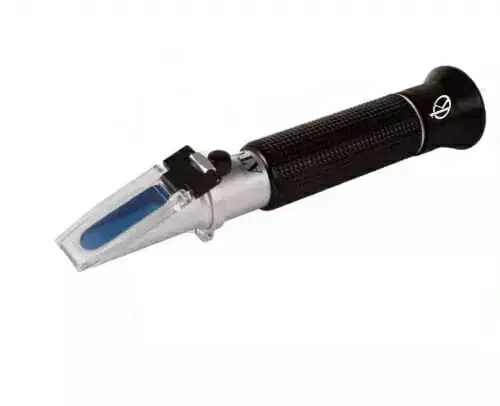
Understanding Return on Investment and Cost-Benefit Analysis for Car Refractometers
In the field of automotive diagnostics and maintenance, car refractometers play a pivotal role. These instruments are essential for measuring the concentration of antifreeze and other fluids, ensuring optimal performance and safety. As laboratory professionals, understanding the return on investment (ROI) and conducting a thorough cost-benefit analysis is crucial for making informed equipment purchasing decisions. This article delves into the nuances of evaluating car refractometers through the lens of ROI and cost-effectiveness, highlighting key models, their applications, and financial implications.
Evaluating ROI for Laboratory Equipment: Why It Matters
Understanding ROI is essential for laboratory professionals tasked with managing budgets and maximizing resources. ROI is calculated by comparing the net profit from an investment to the total costs associated with the investment. For car refractometers, the ROI reflects the value derived from purchasing and utilizing these instruments in laboratory settings. A positive ROI indicates that the benefits outweigh the costs, making the investment worthwhile.
By selecting the right car refractometer model, laboratories can enhance productivity, reduce testing times, and improve accuracy in fluid analysis. The following sections will break down the specific financial factors influencing the ROI of car refractometers.
Key Financial Metrics for Cost-Benefit Analysis
When conducting a cost-benefit analysis for car refractometers, several financial metrics should be considered. These include:
- Initial Investment (CAPEX): The upfront cost of purchasing the refractometer, including any additional accessories or software.
- Operational Expenses (OPEX): Ongoing costs related to maintenance, calibration, and consumables used during operations.
- Revenue Generation: The income generated from services provided using the refractometer, which contributes to the overall profitability.
- Payback Period: The time required to recover the initial investment through the net cash inflows generated by the refractometer.
By analyzing these metrics, laboratory professionals can determine whether investing in a specific car refractometer is financially sound.
Comparison of Available Models
| Model | Initial Investment (USD) | Cost per Test (USD) | Payback Period (Months) | Best Use Case |
|---|---|---|---|---|
| YR05916 | 9.50 | 0.50 | 6 | High volume fluid testing |
| YR05917 | 9.50 | 0.50 | 6 | Multi-fluid analysis |
| YR05918 | 9.50 | 0.55 | 7 | Cold weather testing |
| YR05919 | 9.50 | 0.60 | 8 | Field testing scenarios |
| YR05920 | 9.50 | 0.65 | 9 | Heavy-duty applications |
| YR05921 | 9.50 | 0.70 | 10 | Specialized automotive labs |
Common Mistakes and How to Avoid Them
When investing in car refractometers, laboratory professionals often make common mistakes that can negatively impact ROI. Here are a few to watch for:
- Underestimating Total Costs: It is crucial to consider both initial investment and ongoing operational costs. Ensure all expenses are accounted for in your analysis.
- Neglecting Calibration Needs: Regular calibration is essential for accurate results. Failing to budget for calibration can lead to unexpected costs.
- Choosing the Wrong Model: Each model serves different purposes; selecting one that does not meet your laboratory's needs can lead to inefficiencies.
Avoiding these pitfalls will help ensure that your investment in car refractometers generates the desired financial returns.
Specific Applications of Car Refractometers in Laboratories
Car refractometers are essential tools in various laboratory applications, primarily focused on automotive fluid testing. Each model offers unique features that can enhance specific testing scenarios:
- YR05916: Best for high-volume fluid testing, this model is designed to quickly assess the freezing point of antifreeze solutions.
- YR05917: Ideal for multi-fluid analysis, it allows for simultaneous testing of different fluids, streamlining laboratory workflows.
- YR05918: This model is particularly suited for cold weather testing, ensuring that antifreeze solutions remain effective in harsh conditions.
- YR05919: Designed for field testing, it offers portability and durability, making it suitable for on-site assessments.
- YR05920: Heavy-duty applications are best served with this model, which can handle high viscosity fluids efficiently.
- YR05921: This model is tailored for specialized automotive laboratories that require precise measurements for advanced testing.
Understanding these applications will help laboratories choose the right refractometer for their specific needs.
Frequently Asked Questions
What is the ROI for using a car refractometer in a laboratory setting?
The ROI for using a car refractometer, such as the YR05916, can be substantial. By reducing testing time and improving accuracy, laboratories can generate more revenue from fluid analysis services, typically recovering the initial investment within six months.
How can a cost-benefit analysis improve purchasing decisions for car refractometers?
A cost-benefit analysis helps compare the total costs and expected benefits of car refractometers. For instance, the YR05917 offers significant savings in operational costs, making it a more attractive option for multi-fluid analysis over a standard model.
Which car refractometer model is best for high-volume testing?
The YR05916 car refractometer is best suited for high-volume testing due to its quick measurement capabilities and robust design, allowing laboratories to efficiently process large quantities of samples.
What are the main operational costs associated with car refractometers?
Main operational costs for car refractometers include maintenance, calibration, and consumables used in testing procedures. For example, the YR05918 model may incur slightly higher consumable costs due to its specialized functionality.
How often should calibration be performed on car refractometers?
Calibration intervals for car refractometers vary, but it is generally recommended to calibrate every three to six months, especially for models like the YR05920 that are used in demanding environments.
What factors influence the payback period for car refractometers?
Factors influencing the payback period for car refractometers include initial purchase costs, operational efficiency, and the volume of tests conducted. The YR05921 model, known for its efficiency, can shorten the payback period significantly.
What applications are best suited for car refractometers in automotive labs?
Car refractometers are best suited for applications such as testing antifreeze concentration and validating fluid properties. Models like the YR05919 excel in field applications, providing reliable results in various conditions.
How do different models of car refractometers compare in terms of cost-effectiveness?
Different models, such as YR05916 and YR05917, vary in terms of operational costs and testing capabilities, influencing their overall cost-effectiveness. A thorough comparison helps laboratories select the model that best fits their financial and operational needs.
If you are looking for a fusion of innovation and quality, you have come to the right place. At Kalstein, we offer you the luxury of exploring our exclusive catalog of laboratory equipment. We manufacture every device to the highest standards of excellence. Our intuitive and seamless online purchasing channels are designed for your convenience, securing the most competitive prices. Hesitate no longer — we bring science to life, it is time to become part of our community.