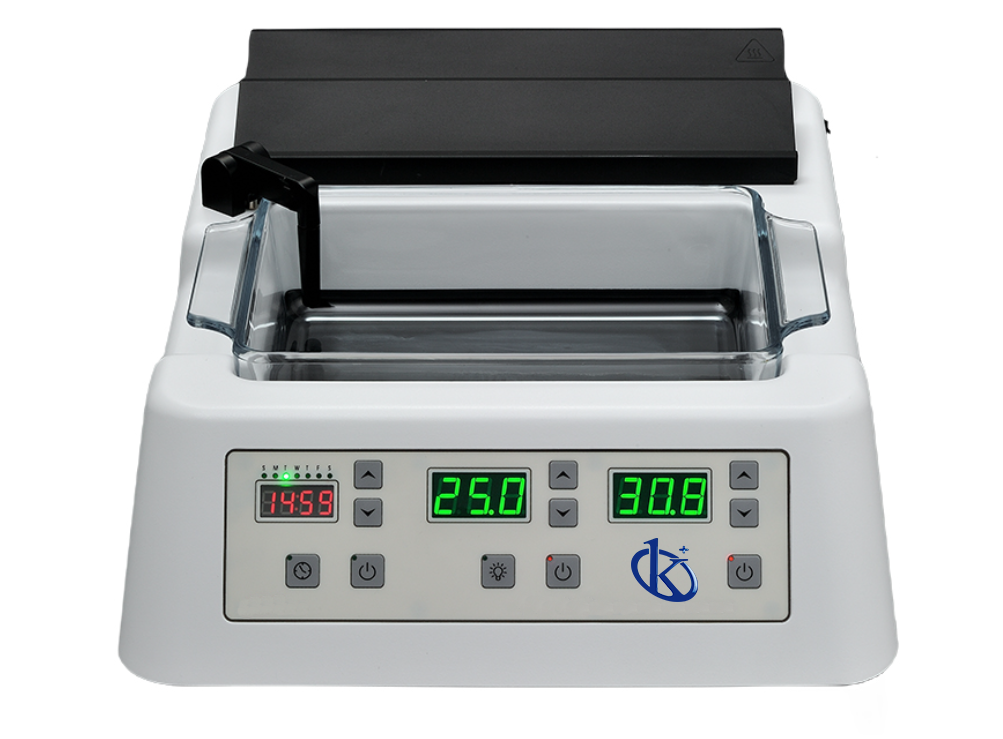
Understanding ROI and Cost-Benefit Analysis for Tissue Flotation in Laboratories
Tissue flotation is a critical process in pathological anatomy, allowing for the proper handling and examination of tissue specimens. Understanding the return on investment (ROI) and conducting a thorough cost-benefit analysis (CBA) is essential for laboratories aiming to optimize their operations. This article delves deep into the components that influence ROI and CBA specifically for tissue flotation workstations.
Framing Tissue Flotation Through ROI and Cost-Benefit Analysis
A proper ROI and CBA framework begins with evaluating the total costs associated with purchasing and operating tissue flotation devices. These costs include initial capital expenditures (CAPEX), operational expenditures (OPEX), and the projected benefits derived from improved efficiency and output quality. By analyzing models like the YR457-1 and YR456, laboratories can uncover which equipment offers superior returns and aligns best with their operational objectives.
Comparison of Available Models
| Model | CAPEX (USD) | Cost per test | Payback (months) | Recommended scenario |
|---|---|---|---|---|
| YR457-1 | 1200.00 | $0.05 | 24 | High-volume labs requiring precision |
| YR456 | 800.00 | $0.06 | 18 | Small to medium labs |
| YR457 | 900.00 | $0.05 | 22 | Versatile applications with lower budgets |
Quantitative Breakdown of Costs
To effectively gauge the ROI for tissue flotation workstations, laboratories should conduct a detailed quantitative breakdown. This breakdown includes calculating CAPEX, OPEX, and the cost per test to identify efficiencies. For instance, if a lab spends $1,200 on the YR457-1 model and the cost per test is estimated to be $0.05, a laboratory with 10,000 tests per year can potentially recoup the initial investment within 24 months depending on other operational costs.
Factors Influencing ROI in Tissue Flotation
The ROI related to tissue flotation devices is influenced by several factors, including the precision of temperature control, the capacity for simultaneous testing, and the functionality of automatic features. The YR457-1, for example, provides temperature precision within ±2℃, making it an excellent choice for labs that prioritize accuracy and consistency in results.
Common Mistakes and How to Avoid Them
Laboratories often overlook critical aspects when assessing ROI and conducting cost-benefit analyses. A common mistake is neglecting to factor in indirect costs such as maintenance, training, and downtime. Ensure that your cost assessments for models like the YR456 consider these factors to avoid unexpected financial shortfalls.
Best Practices for Cost-Benefit Analysis in Tissue Flotation
Conducting a cost-benefit analysis requires adherence to best practices, including establishing clear performance metrics and timelines. Laboratories should employ tools to track spending and performance against the expected outcomes. For instance, integrating performance data from the YR457 into the analysis can help visualize cost efficiency and ROI.
Integrating ROI with Laboratory Workflow
Successfully integrating ROI metrics into laboratory workflows can enhance productivity and decision-making. By employing continuous monitoring and evaluation methods, labs can adjust their operational strategies to maximize the benefits of their tissue flotation devices. Regularly reviewing the performance of models like the YR456 allows for strategic updates to workflows, boosting overall efficiency.
Frequently Asked Questions
How does ROI for tissue flotation devices impact laboratory finances?
ROI for tissue flotation devices, such as the YR457-1, reflects the financial benefits over time, helping labs justify investments. A calculated payback period shows how quickly initial costs are recouped through efficiencies gained in testing and processing.
What are the common cost factors for tissue flotation workstations?
Common cost factors include initial purchase price, maintenance, and consumables. For example, a YR456 workstation may have a lower initial cost but higher operational costs that affect the overall ROI.
What is the typical payback period for the YR457-1 model?
The YR457-1 typically has a payback period of around 24 months, depending on the volume of tests conducted and operational costs incurred, making it a strong investment for high-volume labs.
How can labs ensure a thorough cost-benefit analysis for tissue flotation?
Labs can ensure thorough cost-benefit analysis by systematically tracking costs versus benefits, considering both direct and indirect expenses when analyzing models like the YR456.
What performance metrics should be considered for tissue flotation ROI?
Key performance metrics include accuracy, throughput, and operational efficiency. For example, the YR457-1's temperature precision and drying capacity can significantly impact its ROI in a lab setting.
How important is temperature control in ROI calculations for tissue flotation?
Temperature control is crucial; accurate temperature management in models like the YR457 can reduce waste and reprocessing time, positively affecting ROI calculations by enhancing efficiency.
What role does automation play in tissue flotation cost-benefit analysis?
Automation enhances efficiency and reduces labor costs. Models like the YR456 with automated features can lower operational costs and improve reliability, enhancing overall ROI.
How do I determine the best tissue flotation model for my lab based on ROI?
To determine the best model, calculate the expected ROI based on your lab's specific testing volume and operational needs. Comparing models like the YR457-1 and YR456 provides insights into which will yield the best financial returns.
If you are looking for a fusion of innovation and quality, you have come to the right place. At Kalstein, we offer you the luxury of exploring our exclusive catalog of laboratory equipment. We manufacture every device to the highest standards of excellence. Our intuitive and seamless online purchasing channels are designed for your convenience, securing the most competitive prices. Hesitate no longer — we bring science to life, it is time to become part of our community.