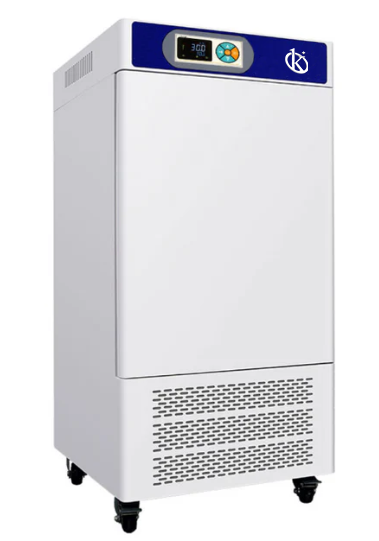
Understanding ROI and Cost-Benefit Analysis for Constant Temperature and Humidity Incubators
In the laboratory environment, the investment in a Constant Temperature and Humidity incubator can have significant implications for operational efficiency and experimental reliability. As laboratory professionals face increasing demands for accountability in budgeting, understanding the return on investment (ROI) and conducting a robust cost-benefit analysis is essential. This article delves into the financial implications of selecting the right incubator for your laboratory needs, focusing on features, capabilities, and operational costs.
Framing the ROI of Constant Temperature and Humidity Incubators
Constant Temperature and Humidity incubators serve as vital equipment in various scientific fields, including environmental protection, medicine, drug testing, and aquaculture. Understanding how these incubators contribute to ROI is crucial for laboratories aiming to optimize their expenditures while maximizing output quality. Different models provide unique benefits that can impact overall performance and cost-effectiveness.
Comparison of Available Models
| Model | CAPEX (USD) | Cost per Test (USD) | Payback Period (Months) | Recommended Scenario |
|---|---|---|---|---|
| YR02053 | 1010.00 | 5.05 | 12 | Small laboratories with limited budget |
| YR02054 | 1140.00 | 5.70 | 10 | Medium laboratories needing flexibility |
| YR02055 | 1430.00 | 7.15 | 8 | Large laboratories focused on high throughput |
The Importance of CAPEX and OPEX in Incubator Investments
Capital Expenditure (CAPEX) refers to the initial investment required to acquire and install laboratory equipment. In contrast, Operational Expenditure (OPEX) covers the ongoing costs of running that equipment. Each model of Constant Temperature and Humidity incubator varies in these costs. For instance, the YR02053 model, priced at $1010, has a lower cost per test compared to the more expensive YR02055, which is priced at $1430. This distinction becomes vital for laboratories focusing on budgeting and financial forecasting.
Evaluating the Cost per Test for Different Models
The cost per test is a critical measure in a laboratory's operational efficiency and budget management. For example, if a laboratory conducts approximately 200 tests a month using the YR02053 model, the cost per test would be around $5.05, making it an economical choice for smaller labs. In contrast, using the YR02055 model at $7.15 per test might be justified if the lab can conduct a higher volume of tests or if the additional features are necessary for advanced research.
Understanding the Payback Period
The payback period is the time it takes for an investment to generate sufficient cash flow to recover its initial cost. For example, laboratories using the YR02054 model may experience a payback period of approximately 10 months, making it a sustainable option for mid-sized labs. Understanding these metrics allows laboratory managers to strategically plan their investments based on financial returns.
Common Mistakes and How to Avoid Them
Laboratory professionals often overlook the long-term implications of their equipment investments. A common mistake is focusing solely on the purchase price without considering the total cost of ownership, including maintenance, energy consumption, and consumables. To avoid this, conducting a thorough cost-benefit analysis that includes all operational expenses can provide a clearer picture of ROI.
Setting a Calibration Schedule for ROI Optimization
A well-planned calibration schedule is essential for maintaining the performance and accuracy of Constant Temperature and Humidity incubators. Regular calibration ensures compliance with relevant standards and contributes to cost savings by reducing the risk of experiments failing due to equipment malfunction. Laboratories can optimize their ROI by adhering to a calibration plan, such as calibrating at least every six months.
Energy Consumption and Sustainability Practices
Energy consumption is a significant factor in the operational costs of incubators. The YR02053 model operates at a nominal power of 0.4 kilowatts, which influences its overall energy expenditure. Implementing energy-saving strategies, such as using models with lower power consumption or optimizing usage patterns, can enhance sustainability and reduce cost over time.
Frequently Asked Questions
What is the average ROI for a Constant Temperature and Humidity incubator over 5 years?
The average ROI for models like YR02054 can be estimated at around 15% over five years, considering factors like lower operational costs and increased throughput in laboratory settings.
How does the YR02055 model perform in terms of cost-effectiveness for large labs?
The YR02055 model, while having a higher initial cost at $1430, can be very cost-effective for large labs due to its throughput capabilities, often resulting in lower cost per test when used extensively.
Which model offers the best energy efficiency for incubators in 2026?
The YR02053 model, operating at 0.4 kW, is one of the most energy-efficient options available, helping laboratories minimize their energy costs while maintaining performance standards.
What are the key factors in a cost-benefit analysis for incubators?
Key factors include initial investment, operational costs, maintenance expenses, and the expected lifespan of the incubator. Models like YR02054 are often recommended due to their balanced performance and cost.
How often should I calibrate my Constant Temperature and Humidity incubator?
A calibration schedule of every 6 months is ideal for maintaining accuracy and compliance, which is critical for models such as YR02055 in high-stakes laboratory environments.
What is the significance of operational costs in laboratory incubators?
Operational costs, including energy, maintenance, and consumables, significantly affect the total cost of ownership. Understanding these costs helps in making better investment decisions regarding models like YR02054.
How can I improve the ROI of my laboratory incubator?
Improving ROI can be achieved by optimizing the use of incubators, selecting energy-efficient models like the YR02053, and regular maintenance to reduce downtime and operational costs.
What is the typical lifespan of Constant Temperature and Humidity incubators?
The typical lifespan of models like YR02055 can range between 10-15 years, depending on usage and maintenance, which is a significant factor in their overall ROI calculation.
If you are looking for a fusion of innovation and quality, you have come to the right place. At Kalstein, we offer you the luxury of exploring our exclusive catalog of laboratory equipment. We manufacture every device to the highest standards of excellence. Our intuitive and seamless online purchasing channels are designed for your convenience, securing the most competitive prices. Hesitate no longer — we bring science to life, it is time to become part of our community.