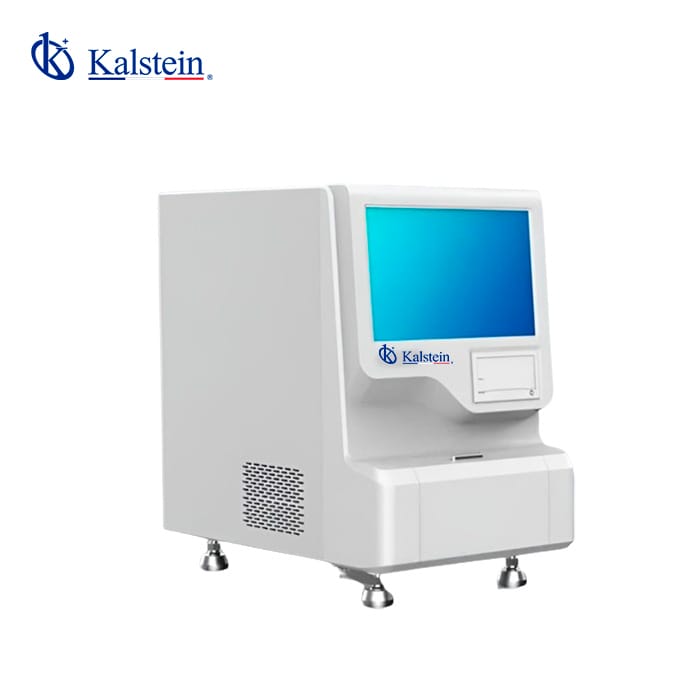
Understanding ROI and Cost-Benefit Analysis for Chemiluminescence Immunoassay Analyzers
In the modern clinical laboratory landscape, choosing the right equipment is crucial not only for operational efficiency but also for financial sustainability. Chemiluminescence Immunoassay Analyzers stand out as pivotal tools for diagnostic testing, impacting both the quality of patient care and the overall return on investment (ROI) for laboratories. This article delves into the intricacies of ROI and cost-benefit analysis specific to chemiluminescence immunoassay analyzers, helping laboratory professionals make informed decisions.
Framing the Importance of ROI in Laboratory Settings
ROI is a critical metric that helps laboratories evaluate the financial return of their investments in diagnostic equipment. Understanding the cost-benefit relationship of chemiluminescence immunoassay analyzers can significantly influence budgeting, purchasing decisions, and laboratory workflows. By assessing factors like direct costs, operational efficiencies, and the impact of timely results on patient outcomes, laboratories can justify their investments.
Key Factors Influencing ROI for Chemiluminescence Analyzers
Several factors contribute to ROI calculations for chemiluminescence analyzers:
- Initial Investment (CAPEX): The upfront cost of purchasing an analyzer, such as YR06387, YR06388, YR06389, YR06390, or YR06710, significantly impacts ROI. Lower initial costs may appeal initially, but operational efficiency must be considered for long-term success.
- Operating Costs (OPEX): This includes maintenance, reagents, and consumables. An analyzer's ability to reduce these costs can dramatically increase ROI.
- Throughput and Efficiency: The number of tests an analyzer can perform per hour affects revenue generation. Higher throughput models, like YR06390, enhance profitability.
Cost-Benefit Analysis Framework for Chemiluminescence Immunoassay Analyzers
Conducting a cost-benefit analysis involves a systematic evaluation of total costs versus benefits. Laboratory managers should consider both tangible and intangible benefits, such as improved turnaround times and enhanced patient satisfaction levels. A comparative view of different models will reveal insights into cost-effectiveness.
| Model | Initial Cost (USD) | Cost per Test (USD) | Estimated Annual Tests | Payback Period (months) |
|---|---|---|---|---|
| YR06387 | 3500.00 | 5.00 | 2000 | 12 |
| YR06388 | 5000.00 | 4.50 | 2500 | 10 |
| YR06389 | 9000.00 | 3.80 | 3000 | 9 |
| YR06390 | 15000.00 | 3.20 | 4000 | 8 |
| YR06710 | 7500.00 | 4.00 | 2200 | 11 |
Comparison of Available Models
This section provides a comparative analysis of the available chemiluminescence immunoassay analyzers, focusing on their ROI and cost-effectiveness:
| Model | Initial Cost (USD) | Operating Cost per Test (USD) | Annual Capacity (Tests) | ROI Analysis |
|---|---|---|---|---|
| YR06387 | 3500.00 | 5.00 | 2000 | Moderate |
| YR06388 | 5000.00 | 4.50 | 2500 | High |
| YR06389 | 9000.00 | 3.80 | 3000 | Very High |
| YR06390 | 15000.00 | 3.20 | 4000 | Excellent |
| YR06710 | 7500.00 | 4.00 | 2200 | High |
Common Mistakes and How to Avoid Them
Laboratories often encounter pitfalls when analyzing ROI and cost-benefit metrics. Some common mistakes include:
- Overlooking Total Cost of Ownership: It's essential to consider both initial and operational costs to gauge the true financial impact of an analyzer.
- Ignoring Efficiency Metrics: Focusing solely on cost can lead to selecting a lower-quality analyzer that ultimately offers less value.
- Neglecting Future Scalability: Not considering how the analyzer will adapt to future testing demands can result in premature obsolescence.
Frequently Asked Questions
How does ROI impact the selection of a chemiluminescence immunoassay analyzer?
ROI directly influences laboratory decisions on chemiluminescence immunoassay analyzers by weighing the financial return against initial and operational costs. For instance, the YR06390 model, with a cost per test of $3.20 and a high throughput, shows excellent ROI, making it an attractive option for laboratories.
What are the typical operating costs for chemiluminescence immunoassay analyzers?
Operating costs for chemiluminescence immunoassay analyzers vary by model. For example, the YR06388 has a cost per test of approximately $4.50, which is a key factor in evaluating its financial viability and overall ROI for laboratories.
What should be considered in a cost-benefit analysis of immunoassay analyzers?
A thorough cost-benefit analysis should consider initial costs, operating expenses, throughput capabilities, and expected lifespan. For instance, the YR06389 model's low operating cost and high test capacity contribute positively to its cost-benefit ratio.
How can I calculate the payback period for an immunoassay analyzer?
The payback period can be calculated by dividing the initial cost of the analyzer by the net annual benefit it provides. For example, the YR06390, with an initial cost of $15,000 and estimated annual tests of 4,000, can yield a short payback period based on its operational efficiency.
Which chemiluminescence analyzer offers the best throughput for ROI?
The YR06390 offers the best throughput with a processing speed of 220 tests per hour, making it ideal for maximizing ROI. Its efficient performance significantly contributes to cost savings through lower operational costs and higher test volumes.
What are common pitfalls when estimating ROI for laboratory equipment?
Common pitfalls include neglecting total ownership costs and focusing solely on purchase price. It's vital to analyze the entire lifecycle and operational efficiencies of models like YR06388 or YR06390 for accurate ROI estimation.
How does the choice of a chemiluminescence analyzer affect laboratory profitability?
The analyzer's efficiency, cost per test, and throughput directly impact profitability. High-performing models such as the YR06389 can reduce operational costs while increasing revenue through greater test volumes, significantly affecting overall laboratory profitability.
What is the impact of reagent costs on the overall ROI of immunoassay analyzers?
Reagent costs play a critical role in the operational cost of immunoassay analyzers. Selecting efficient models like the YR06390, which minimizes reagent use while maximizing throughput, can notably enhance ROI and overall profitability.
If you are looking for a fusion of innovation and quality, you have come to the right place. At Kalstein, we offer you the luxury of exploring our exclusive catalog of laboratory equipment. We manufacture every device to the highest standards of excellence. Our intuitive and seamless online purchasing channels are designed for your convenience, securing the most competitive prices. Hesitate no longer — we bring science to life, it is time to become part of our community.