How to Ensure Regulatory Compliance in Veterinary Laparoscopy Systems
As advancements in veterinary surgical equipment continue to evolve, veterinary laparoscopy systems play a crucial role in enhancing surgical precision and minimizing patient recovery times. However, with innovation comes the pressing need for adherence to various regulatory standards to ensure safety, efficacy, and quality in veterinary practice. Understanding and implementing the necessary ISO/IEC standards is essential for any veterinary facility looking to improve their laparoscopic procedures.
Overview of Regulatory Compliance in Veterinary Laparoscopy
Regulatory compliance involves adhering to established standards and guidelines that govern the medical field, particularly in veterinary laparoscopy. Compliance with ISO/IEC standards ensures that equipment is reliable and safe for both animals and practitioners. Key standards relevant to veterinary laparoscopy include ISO 17025, which focuses on laboratory competence, and IEC 61010, which covers safety requirements for electrical equipment used in veterinary applications. By integrating these standards into practice, veterinary facilities can enhance their operational safety and effectiveness.
Key ISO/IEC Standards for Veterinary Laparoscopy
This section highlights specific ISO and IEC standards that are applicable to veterinary laparoscopy systems.
ISO 17025: Laboratory Competence
ISO 17025 is crucial for laboratories, ensuring they are competent to carry out tests and calibrations, including those performed with veterinary laparoscopy systems. Compliance with this standard requires rigorous management practices and assurance of quality control systems in place during surgical procedures.
IEC 61010: Safety Requirements
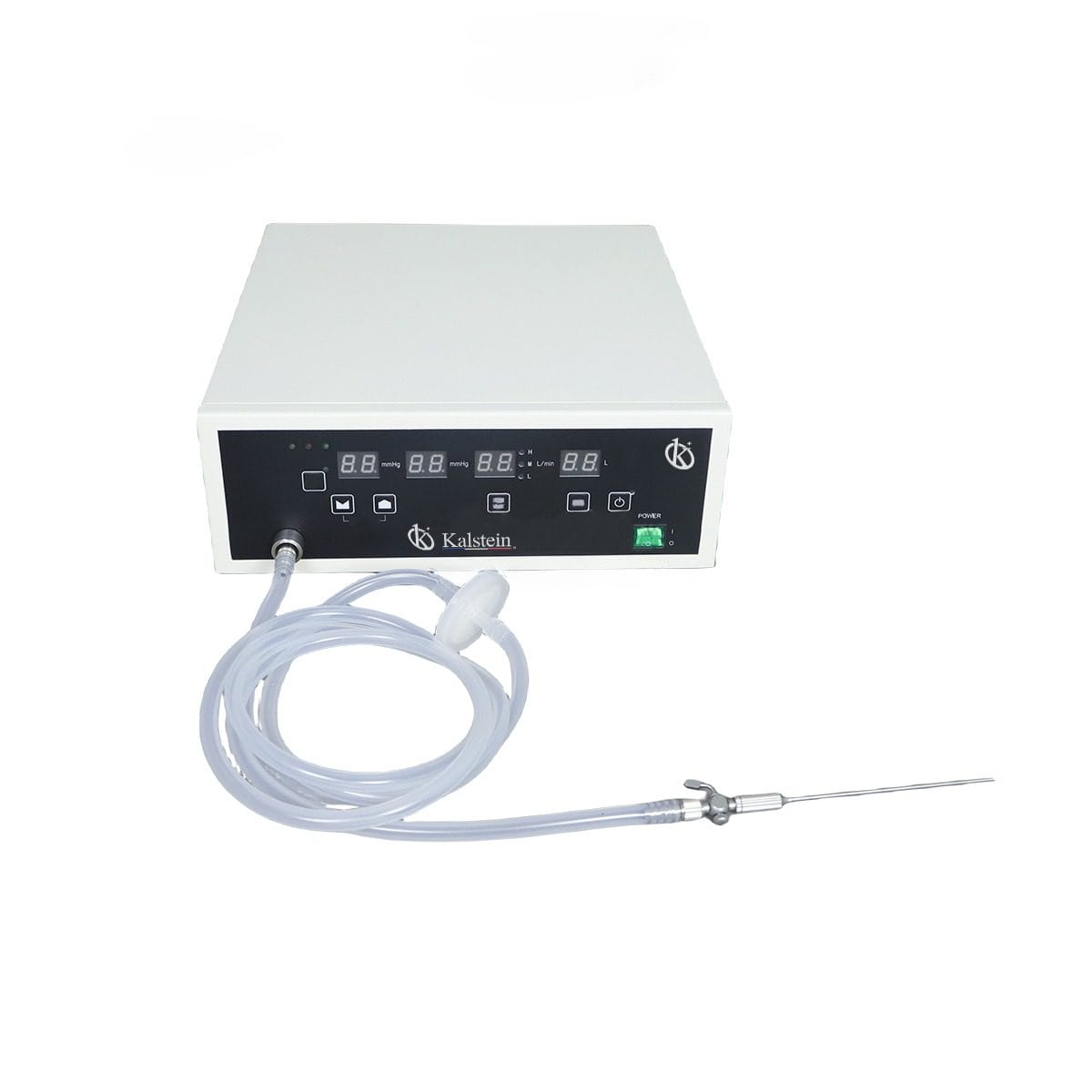
IEC 61010 outlines safety requirements for electrical equipment, which is vital in preventing accidents during surgical procedures. Veterinary laparoscopy systems like the Veterinary CO2 Insufflator YR06157 must adhere to these safety protocols to protect both the patient and the operator.
Comparative Analysis of Veterinary Laparoscopy Systems
When selecting a veterinary laparoscopy system, understanding how each model aligns with regulatory standards is essential. The table below compares different models according to their compliance features and best-use scenarios.
| Model | ISO/IEC Clauses Covered | Traceability Features | Best For |
|---|---|---|---|
| YR06157 | ISO 17025, IEC 61010 | Automatic alarm and monitoring | Small animal procedures |
| YR06156 | IEC 61010 | Integrated recording and imaging | Multi-functional surgical settings |
| YR06158 | ISO 17025 | Touchscreen control with alarm systems | High-volume surgeries |
Common Mistakes in Regulatory Compliance
Many veterinary practices face challenges in maintaining regulatory compliance. One common mistake is neglecting regular audits of the equipment used in surgical procedures, which can lead to non-compliance with ISO/IEC standards. Additionally, failing to document equipment calibration dates can result in a lack of traceability. Ensuring that all personnel are trained on compliance requirements is also critical, as this promotes a culture of safety and awareness.
Documentation Requirements for Compliance
Documentation is a vital aspect of maintaining compliance with ISO and IEC standards. Facilities should have a comprehensive record of equipment maintenance, calibration schedules, and training logs. This documentation not only serves as evidence of compliance during audits but also helps in identifying areas for improvement in surgical practices. It's recommended to regularly review and update documentation to reflect any changes in procedures or equipment.
Role of Technology in Ensuring Compliance
Modern veterinary laparoscopy systems come equipped with various technological features that enhance compliance with regulatory standards. For example, the Veterinary CO2 Insufflator YR06158 includes a touchscreen interface for easy monitoring and management of surgical procedures, allowing veterinarians to maintain precise control over the surgical environment. Such technological advancements can significantly reduce error rates and enhance patient safety.
Training and Education for Compliance in Veterinary Practices
Regular training and educational programs are essential for ensuring that staff members are aware of the latest regulatory requirements and equipment functionalities. Providing training sessions that focus on the operation of veterinary laparoscopy systems ensures that staff can effectively use the equipment while adhering to necessary safety standards. Additionally, simulation-based training can be beneficial in reinforcing compliance protocols.
Frequently Asked Questions
What are the key compliance standards for veterinary laparoscopy systems?
The key compliance standards include ISO 17025 for laboratory competence and IEC 61010 for safety requirements. These standards are crucial for ensuring that veterinary laparoscopy systems, like the Veterinary CO2 Insufflator YR06157, are both effective and safe for use.
How can veterinary practices ensure regulatory compliance with their laparoscopic equipment?
Veterinary practices can ensure compliance by adhering to ISO and IEC standards, maintaining accurate documentation, and conducting regular audits. Utilizing systems like the Mobile High-Definition Endoscopic Imaging System YR06156 can help meet compliance through integrated technology.
What documentation is necessary for regulatory compliance in veterinary laparoscopy?
Necessary documentation includes maintenance records, calibration logs, and training certifications. Keeping thorough records is essential for demonstrating compliance during inspections and audits, particularly for models like the Veterinary CO2 Insufflator YR06158.
How often should veterinary laparoscopy systems be calibrated for compliance?
Calibration intervals depend on the equipment and usage frequency, but generally, veterinary laparoscopy systems should be calibrated at least annually. Continuous monitoring features in models like YR06157 facilitate maintaining compliance.
What role does technology play in compliance for veterinarians?
Technology streamlines compliance by providing real-time data, automated alerts, and integrated record-keeping. Systems like YR06156 enhance compliance by allowing veterinarians to track performance and ensure adherence to safety protocols.
Which veterinary laparoscopy system is best for small animal procedures?
The Veterinary CO2 Insufflator YR06157 is particularly well-suited for small animal procedures due to its specific features designed for animals like cats and dogs, ensuring compliance with regulatory standards.
How can veterinary surgeons benefit from compliance with ISO standards?
Compliance with ISO standards enhances the overall quality of care, reduces the risk of incidents, and builds trust with clients. By using compliant systems such as YR06158, veterinary surgeons can improve operational standards.
What are the best practices for maintaining compliance in veterinary surgeries?
Best practices include regular training, scheduled audits, accurate documentation, and using compliant equipment. Utilizing systems like YR06156 can help maintain compliance and enhance surgical outcomes.
If you are looking for a fusion of innovation and quality, you have come to the right place. At Kalstein, we offer you the luxury of exploring our exclusive catalog of laboratory equipment. We manufacture every device to the highest standards of excellence. Our intuitive and seamless online purchasing channels are designed for your convenience, securing the most competitive prices. Hesitate no longer — we bring science to life, it is time to become part of our community.