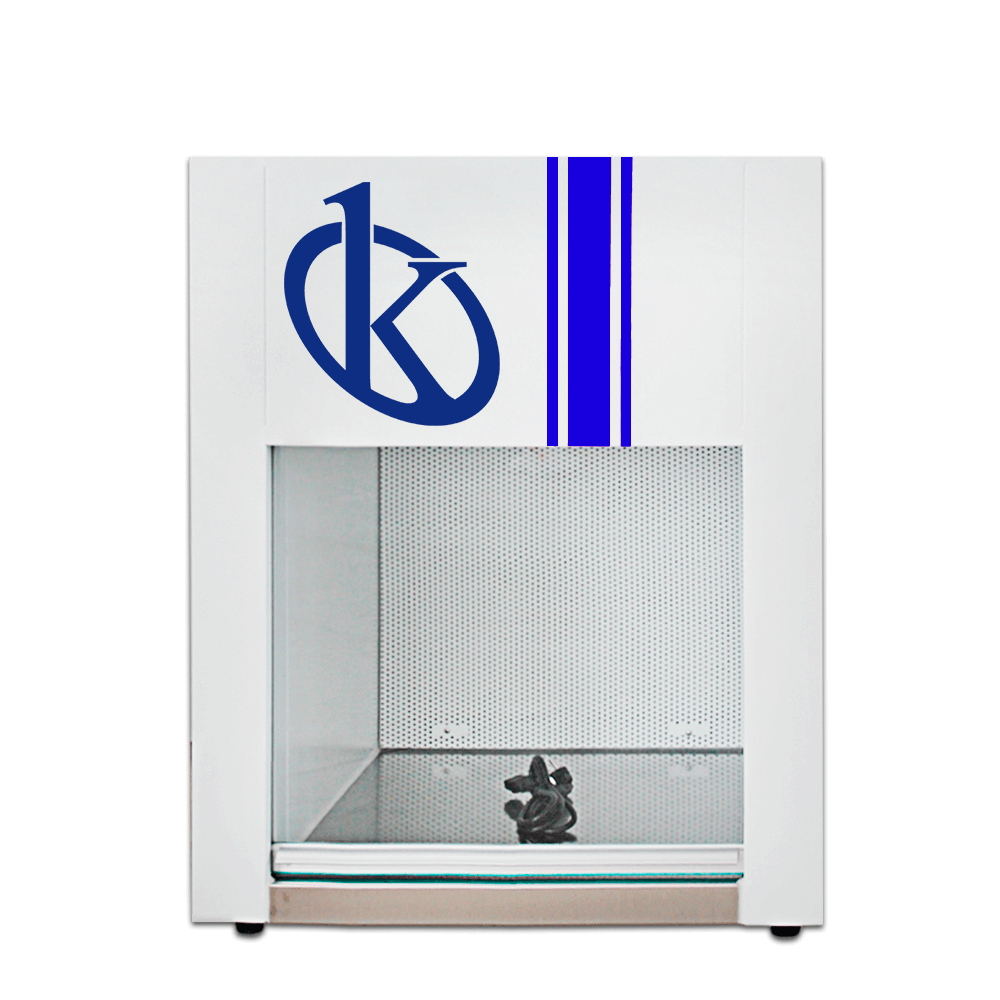
How to Ensure Regulatory Compliance with Horizontal Laminar Flow Clean Benches
In the laboratory environment, ensuring regulatory compliance is paramount, especially when utilizing Horizontal Laminar Flow Clean Benches. These units are designed to provide a clean and controlled area for various applications, from biological research to medical procedures. As regulations evolve, particularly those set by ISO/IEC standards, understanding how these clean benches can aid in compliance is essential for laboratory professionals.
Understanding ISO/IEC Standards in Laboratory Settings
ISO/IEC standards, such as ISO 17025 and ISO 15189, define the requirements for competence and quality in laboratories. ISO 17025 focuses on testing and calibration laboratories, while ISO 15189 is specific to medical laboratories. Compliance with these standards ensures that laboratories operate effectively, providing accurate and reliable results.
Horizontal Laminar Flow Clean Benches play a critical role in maintaining an aseptic environment, crucial for meeting these standards. By providing a controlled airflow that minimizes contamination, these benches help laboratories adhere to strict cleanliness requirements outlined in the relevant ISO/IEC standards.
How Each Model Meets ISO/IEC Standards
Each model of Horizontal Laminar Flow Clean Bench offers unique features that can assist laboratories in achieving compliance with ISO/IEC standards. The following section highlights the key specifications and applications of each model.
Comparison of Available Models
| Model Code | ISO/IEC Clauses Covered | Traceability Features | Best for |
|---|---|---|---|
| YR05723 | ISO 17025 | Built-in monitoring | Biological research |
| YR05724 | ISO 15189 | Data logging capabilities | Medical testing |
| YR05726 | ISO 17025 | Real-time data tracking | Clinical applications |
| YR05727 | ISO 15189 | Automated validation | Pharmaceutical labs |
| YR05728 | ISO 17025 | Enhanced logging systems | Research labs |
| YR05729 | ISO 15189 | Comprehensive monitoring | Quality control |
Common Mistakes and How to Avoid Them
Laboratories often encounter pitfalls when it comes to regulatory compliance. Some common mistakes include failing to regularly maintain equipment, neglecting proper documentation, and misunderstanding ISO requirements. Regular maintenance of Horizontal Laminar Flow Clean Benches is essential to ensure they function correctly and meet the required cleanliness standards.
Another significant error is inadequate training of staff. It's essential to provide thorough training on the use and maintenance of equipment to keep compliance in check. Understanding the specific features of each model, such as the monitoring systems in model YR05726, is crucial for maintaining regulatory standards.
The Importance of Documentation in Compliance
Documentation plays a vital role in regulatory compliance. Each model's capabilities and maintenance logs should be meticulously recorded. This not only aids in meeting ISO standards but also fosters accountability among laboratory personnel. The automated validation features in models like YR05727 can simplify this process, ensuring that all necessary data is captured and easily accessible.
Risk Assessment and Mitigation Strategies
Conducting a thorough risk assessment is essential for identifying potential compliance issues. Regular audits of Horizontal Laminar Flow Clean Benches can help detect any deficiencies before they become significant problems. Employing models with real-time data tracking, such as YR05726, allows for immediate corrective actions, mitigating risks associated with non-compliance.
Energy Efficiency and Compliance
As laboratories strive for sustainability, energy efficiency becomes a focal point of compliance. Horizontal Laminar Flow Clean Benches like YR05729 are designed with energy-saving features that reduce overall consumption. Addressing energy use not only helps meet regulatory standards but also aligns with global sustainability goals.
Future Trends in Laboratory Compliance
The landscape of laboratory compliance is continually evolving. Emerging ISO/IEC standards will likely focus on integrating technology and automation to streamline processes. Horizontal Laminar Flow Clean Benches are already adapting to these trends, incorporating advanced monitoring systems that align with future regulations. Staying ahead of these trends is vital for laboratories aiming for long-term compliance.
Frequently Asked Questions
What are the compliance requirements for Horizontal Laminar Flow Clean Benches?
Compliance requirements for Horizontal Laminar Flow Clean Benches include adherence to ISO 17025 and ISO 15189, which ensure quality and reliability in laboratory operations. Models like YR05723 and YR05724 are designed to help laboratories meet these standards effectively.
How do Horizontal Laminar Flow Clean Benches support ISO 17025 compliance?
Horizontal Laminar Flow Clean Benches, such as YR05726, support ISO 17025 compliance by providing a controlled environment that minimizes contamination during testing. Their features include built-in monitoring systems that ensure adherence to cleanliness standards, crucial for ISO compliance.
Which model is best for meeting ISO 15189 standards?
The YR05724 model is best suited for meeting ISO 15189 standards, particularly in medical testing environments. Its advanced data logging capabilities ensure accurate tracking of test conditions, essential for compliance with ISO requirements.
How often should Horizontal Laminar Flow Clean Benches be maintained for compliance?
Horizontal Laminar Flow Clean Benches should be maintained regularly, ideally monthly, to ensure compliance with ISO standards. Consistent checks and maintenance ensure optimal performance, particularly for models like YR05728, which have features that facilitate regular inspections.
What documentation is necessary for compliance with ISO standards?
Documentation necessary for compliance includes maintenance logs, calibration records, and operational procedures. Utilizing models like YR05727 that offer automated validation can streamline documentation processes, making compliance more manageable.
How can energy efficiency impact laboratory compliance?
Energy efficiency can significantly impact laboratory compliance, as energy-efficient models like YR05729 help laboratories meet sustainability criteria outlined in evolving regulations. Reducing energy consumption aligns with compliance while supporting environmental goals.
What are the common pitfalls in maintaining compliance with Horizontal Laminar Flow Clean Benches?
Common pitfalls include neglecting regular maintenance and inadequate staff training. Ensuring that all personnel are well-trained on models like YR05726 is essential for maintaining compliance with ISO standards and avoiding potential issues.
How can I ensure my Horizontal Laminar Flow Clean Bench is compliant with current regulations?
To ensure compliance, regularly audit your Horizontal Laminar Flow Clean Bench, utilize models with built-in monitoring like YR05723, and keep comprehensive documentation. Staying updated with ISO/IEC standards is crucial for maintaining compliance.
If you are looking for a fusion of innovation and quality, you have come to the right place. At Kalstein, we offer you the luxury of exploring our exclusive catalog of laboratory equipment. We manufacture every device to the highest standards of excellence. Our intuitive and seamless online purchasing channels are designed for your convenience, securing the most competitive prices. Hesitate no longer — we bring science to life, it is time to become part of our community.