Best Practices for Predictive Maintenance and Periodic Calibration of Veterinary Chemistry Analyzers
Veterinary chemistry analyzers are crucial for diagnosing animal health and ensuring timely treatment. As technology evolves, the focus on predictive maintenance and periodic calibration has never been more critical. This article delves into the best practices for maintaining these devices to enhance their performance and compliance with industry standards.
Understanding Predictive Maintenance and Calibration
Predictive maintenance involves using data-driven insights to predict equipment failures before they occur, thereby minimizing downtime and extending the lifespan of veterinary chemistry analyzers. On the other hand, periodic calibration ensures that the equipment maintains accuracy and reliability in test results. Both strategies are essential for laboratory efficiency and quality control.
Importance of Predictive Maintenance
Implementing predictive maintenance techniques allows veterinary facilities to anticipate equipment failures, significantly reducing unexpected breakdowns. Regular monitoring of equipment performance metrics, such as Mean Time Between Failures (MTBF) and Mean Time to Repair (MTTR), is vital. By employing these metrics, laboratories can schedule maintenance during non-peak hours, ensuring continuous service and reliability.
Key Performance Indicators for Maintenance
When considering predictive maintenance for veterinary chemistry analyzers, specific KPIs should be established to monitor equipment performance:
- Mean Time Between Failures (MTBF)
- Mean Time to Repair (MTTR)
- Calibration intervals and accuracy
- Reagent usage efficiency
By analyzing these indicators, laboratories can plan maintenance schedules to prevent costly downtimes.
Calibration Best Practices
Calibration is essential for ensuring the accuracy and reliability of veterinary chemistry analyzers. Each analyzer may require a different calibration frequency based on its usage and manufacturer recommendations. Typically, the following practices should be observed:
- Follow manufacturer guidelines for calibration intervals
- Utilize traceable standards for calibration processes
- Document calibration results meticulously for compliance
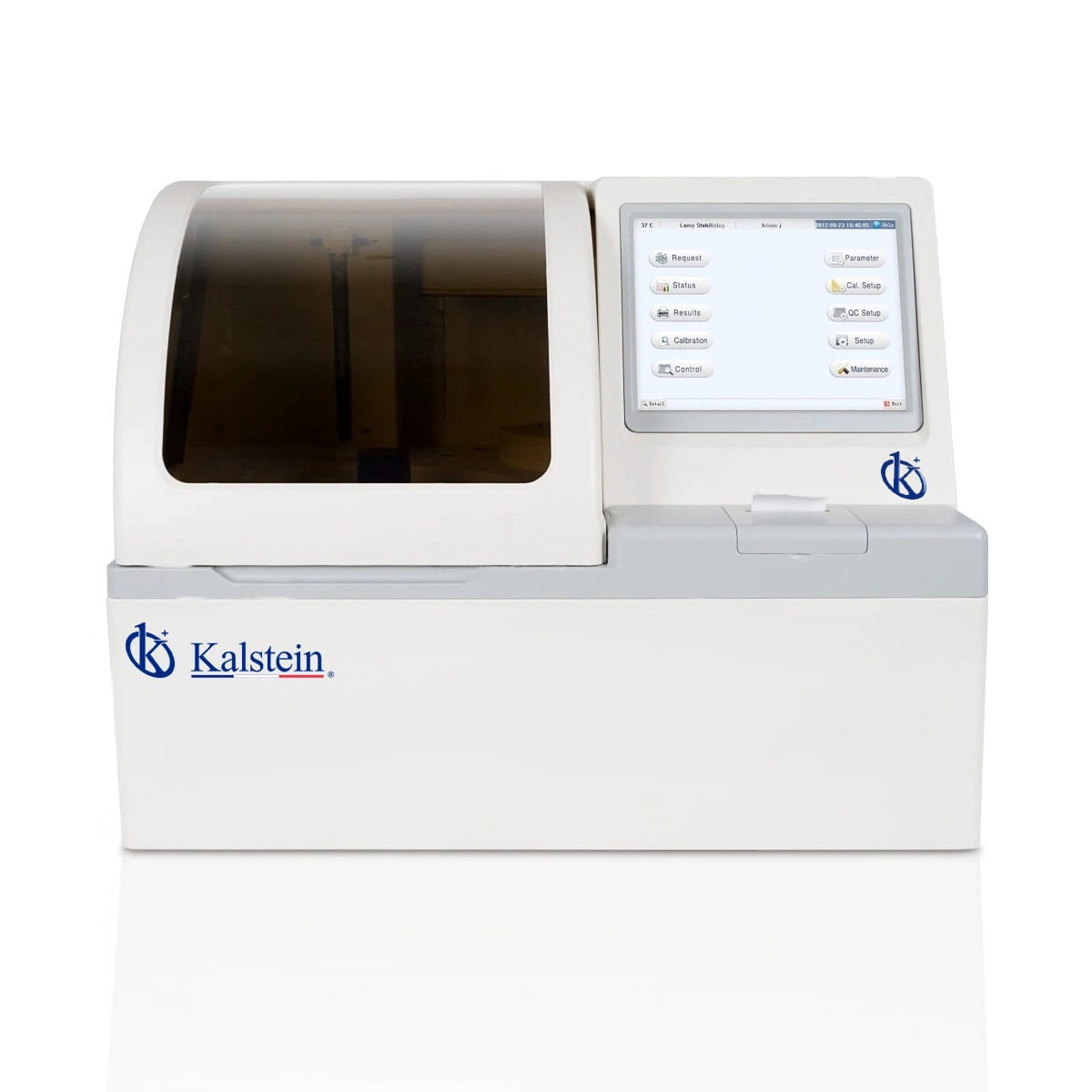
For instance, the Automatic Veterinary Chemistry Analyzer YR06168 requires calibration to maintain its performance for up to 100 tests per hour, emphasizing the need for regular checks.
Effects of Calibration on Sample Accuracy
Periodic calibration directly impacts the accuracy of test samples. A delayed calibration can lead to inaccurate results, which could compromise animal health outcomes. Maintaining calibration schedules can significantly reduce errors associated with test results, ensuring reliable diagnostics.
Comparison of Available Models
| Model | Calibration Frequency | Maintenance Needs | Best for |
|---|---|---|---|
| YR06168 | Monthly | Low | High-throughput labs |
| YR06169 | Every 3 months | Medium | Field usage |
| YR06172 | Quarterly | Low | Portable diagnostics |
| YR06174 | Bi-annually | Medium | Electrolyte analysis |
| YR06077 | Every 6 months | High | Multi-species testing |
Common Mistakes and How to Avoid Them
In the realm of veterinary chemistry analyzers, several common pitfalls can compromise maintenance and calibration:
- Neglecting routine maintenance checks, leading to unexpected breakdowns.
- Ignoring manufacturer calibration guidelines, resulting in inaccurate results.
- Failing to document maintenance activities, which can affect compliance.
By adhering strictly to maintenance schedules and thorough documentation practices, laboratories can avoid these issues.
Frequently Asked Questions
How can predictive maintenance improve my veterinary chemistry analyzer's performance?
Predictive maintenance helps anticipate potential failures in your equipment, such as the Automatic Veterinary Chemistry Analyzer YR06168, ensuring it operates at optimum performance levels. By analyzing usage patterns, labs can prevent downtime and maintain efficiency.
What is the recommended calibration frequency for the Portable Veterinary Chemistry Analyzer YR06169?
The Portable Veterinary Chemistry Analyzer YR06169 should be calibrated every three months to maintain accuracy in test results. Regular calibration ensures reliable readings in various settings, especially in field applications.
Which model offers the most efficient periodic calibration process?
The Quantitative Veterinary Immunofluorescence Analyzer YR06172 has a user-friendly calibration process, making periodic checks efficient and straightforward. Its design allows veterinary technicians to perform calibrations with minimal disruption to workflow.
What are the consequences of neglecting calibration in veterinary chemistry analyzers?
Neglecting calibration can lead to inaccurate test results, impacting the diagnosis and treatment of animals. For example, the Blood Gas and Electrolyte Analyzer YR06174 relies on precise calibration to ensure that test results are valid and actionable.
How does predictive maintenance reduce costs in veterinary laboratories?
Predictive maintenance reduces costs by decreasing the likelihood of unexpected equipment failures. For instance, regularly maintained devices like the Chemical Veterinary Analyzer YR06077 ensure optimal performance, leading to fewer repairs and improved longevity.
What key performance indicators should I monitor for my veterinary chemistry analyzers?
Monitoring KPIs such as Mean Time Between Failures (MTBF) and Mean Time to Repair (MTTR) is essential. By analyzing these metrics for models like the YR06168, labs can effectively plan maintenance schedules and improve equipment reliability.
Which veterinary chemistry analyzer is best for high-throughput testing?
The Automatic Veterinary Chemistry Analyzer YR06168 is best suited for high-throughput testing due to its capability of performing up to 100 tests per hour with minimal downtime, making it ideal for busy veterinary practices.
How can I implement a successful calibration plan for my laboratory?
To implement a successful calibration plan, follow manufacturer guidelines, schedule regular checks, and document results meticulously. Utilizing devices like the YR06169 can streamline this process, ensuring compliance and accuracy.
If you are looking for a fusion of innovation and quality, you have come to the right place. At Kalstein, we offer you the luxury of exploring our exclusive catalog of laboratory equipment. We manufacture every device to the highest standards of excellence. Our intuitive and seamless online purchasing channels are designed for your convenience, securing the most competitive prices. Hesitate no longer — we bring science to life, it is time to become part of our community.