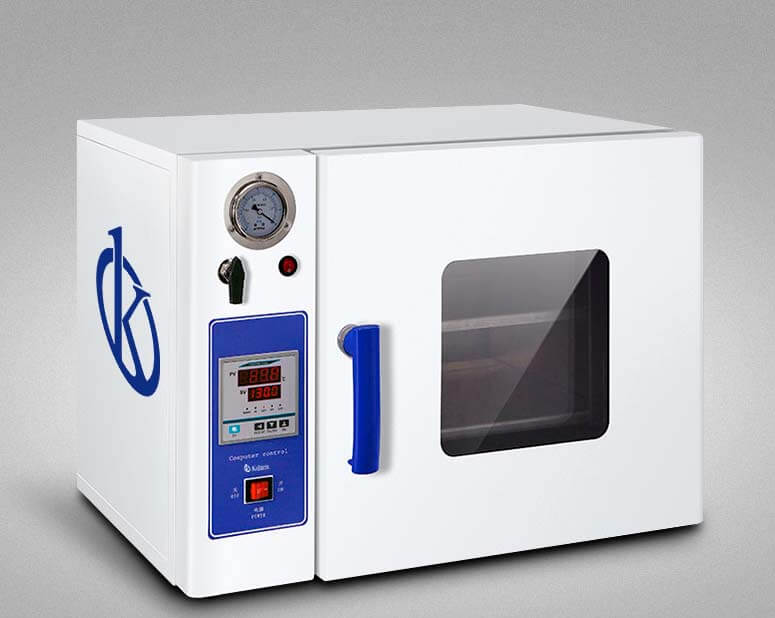
How to Implement Predictive Maintenance and Periodic Calibration for Vacuum Ovens
In laboratories, vacuum ovens are indispensable for various applications, particularly in fields such as biochemistry, pharmaceuticals, and environmental protection. Ensuring optimal performance through predictive maintenance and periodic calibration is crucial for maintaining the integrity of experiments and results. This article delves into the significance of these practices, exploring a range of vacuum oven models, their specifications, and how they can be effectively utilized to adhere to industry standards.
Understanding Predictive Maintenance in Vacuum Ovens
Predictive maintenance refers to techniques used to determine the condition of equipment to estimate when maintenance should be performed, rather than on a set schedule. For vacuum ovens, this approach can prevent unexpected failures and extend the equipment's lifespan. Regular monitoring of operational metrics such as temperature accuracy, vacuum levels, and performance fluctuations contributes to efficient laboratory workflows.
Importance of Periodic Calibration
Calibration is the process of configuring an instrument to provide a result for a sample within an acceptable range. Periodic calibration of vacuum ovens ensures that the temperature settings and vacuum levels are accurately maintained. This practice aligns with regulatory standards such as ISO 17025, ensuring laboratories can produce reliable and reproducible results. The frequency of calibration is typically dictated by usage intensity and manufacturer recommendations.
Comparison of Available Models
| Model | Temperature Range (°C) | Vacuum Level | Price (USD) | Best For |
|---|---|---|---|---|
| YR05260-A | RT + 5 ~ 250 | < 133 | 330.00 | General laboratory use |
| YR05261-A | RT + 5 ~ 250 | < 133 | 460.00 | Pharmaceutical applications |
| YR05262-SS | RT + 5 ~ 250 | < 133 | 400.00 | Health care settings |
| YR05263-SS | RT + 5 ~ 250 | < 133 | 590.00 | Environmental research |
| YR05264-A | RT + 5 ~ 250 | < 133 | 690.00 | Agricultural studies |
| YR05265-SS | RT + 5 ~ 250 | < 133 | 845.00 | Complex material drying |
Common Mistakes and How to Avoid Them
Many laboratories overlook the importance of regular maintenance and calibration, which can lead to inaccurate results and equipment failures. One common mistake is failing to document calibration processes properly. Without proper documentation, it is challenging to ensure compliance with standards like ISO 17025. To avoid this, laboratories should implement a structured schedule for routine checks and calibration, maintaining thorough records of each procedure.
Key Benefits of Predictive Maintenance and Calibration
Implementing predictive maintenance along with regular calibration can yield significant benefits, including:
- Improved accuracy in results.
- Extended lifespan of equipment.
- Reduced downtime due to unexpected failures.
- Compliance with industry standards.
Integrating Predictive Maintenance Practices
To successfully integrate predictive maintenance within your laboratory, consider the following practices:
- Utilize monitoring tools to track performance metrics.
- Establish baseline metrics for each equipment model, such as the YR05262-SS.
- Regularly review and update the maintenance plan based on usage and performance findings.
Calibration Standards and Procedures
Calibration procedures should be based on established standards. Laboratories must adhere to guidelines set forth by relevant standards organizations. For example, calibrating vacuum ovens like the YR05264-A should follow a schedule based on their usage and the specific testing requirements of your work. A calibration matrix should be established to ensure all units are calibrated periodically and accurately.
Frequently Asked Questions
What are the recommended calibration intervals for vacuum ovens used in laboratories?
Calibration intervals for vacuum ovens such as the YR05260-A should be determined based on usage frequency, but a general recommendation is every 6 to 12 months. Regular checks help ensure optimal performance and compliance with standards like ISO 17025.
How does predictive maintenance enhance the performance of vacuum ovens?
Predictive maintenance enhances performance by allowing laboratories to anticipate equipment failures before they occur. For instance, regular monitoring of the YR05261-A's temperature accuracy can prevent costly downtime and ensure consistent results.
Which vacuum oven model is best for sensitive material drying?
The YR05262-SS is particularly suitable for drying sensitive materials due to its precise temperature control and vacuum capability. This model is designed for applications that require careful handling of heat-sensitive substances.
How can I ensure my vacuum oven meets ISO 17025 requirements?
To ensure compliance with ISO 17025, routine calibration and maintenance of your vacuum oven, such as the YR05263-SS, are essential. Maintaining accurate logs and adhering to calibration schedules will aid in meeting these standards.
What maintenance practices should I follow for vacuum ovens?
Essential maintenance practices include regular cleaning, monitoring temperature settings, checking vacuum levels, and adhering to calibration schedules. These practices help maintain the reliability of models like the YR05264-A.
What are the consequences of not calibrating vacuum ovens regularly?
Neglecting regular calibration can lead to inaccurate results, equipment malfunction, and non-compliance with standards. For example, failing to calibrate the YR05265-SS may compromise data integrity in critical experiments.
How does calibration affect the lifecycle of a vacuum oven?
Proper calibration extends the lifecycle of a vacuum oven by ensuring it operates within specified parameters. Equipment like the YR05260-A can achieve optimal performance and longevity through consistent calibration practices.
Conclusion
In conclusion, implementing predictive maintenance and periodic calibration is vital for the effective functioning of vacuum ovens in laboratory environments. By selecting the right model and adhering to systematic maintenance protocols, laboratories can enhance reliability, ensure compliance, and ultimately achieve more accurate results in their research applications.
If you are looking for a fusion of innovation and quality, you have come to the right place. At Kalstein, we offer you the luxury of exploring our exclusive catalog of laboratory equipment. We manufacture every device to the highest standards of excellence. Our intuitive and seamless online purchasing channels are designed for your convenience, securing the most competitive prices. Hesitate no longer — we bring science to life, it is time to become part of our community.