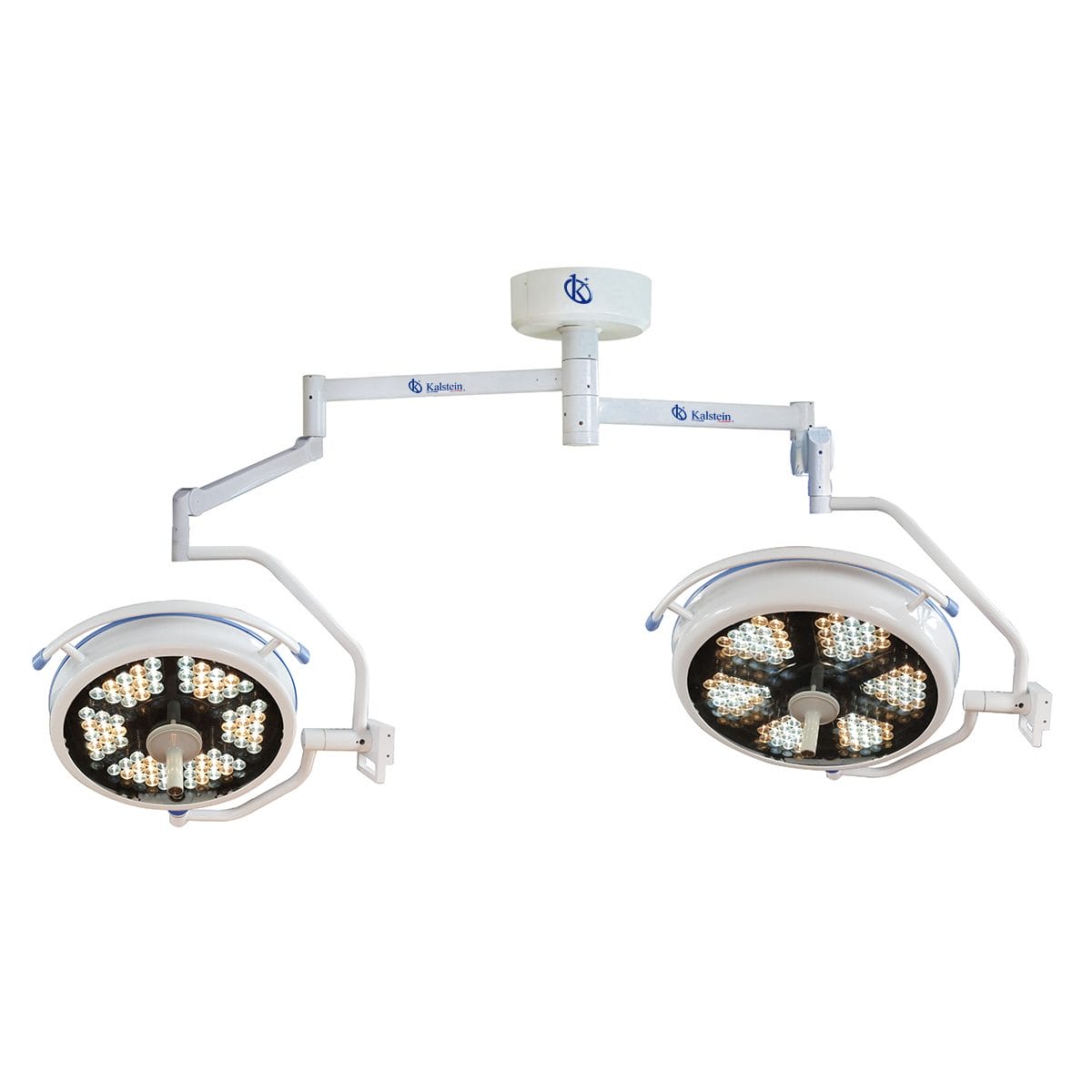
How to Implement Predictive Maintenance and Recommended Calibration for Veterinary Operating Lamps?
Veterinary operating lamps are essential tools in modern surgical environments, providing high-quality illumination for a variety of procedures. As these devices become increasingly sophisticated, implementing predictive maintenance and establishing a recommended calibration plan is crucial for ensuring optimal performance and compliance with industry standards. This article delves deeply into the best practices for predictive maintenance and calibration for veterinary operating lamps, exploring various models and their unique features.
Understanding Predictive Maintenance in Veterinary Operating Lamps
Predictive maintenance involves using data analysis tools and techniques to predict when equipment will fail, allowing for timely repairs before a breakdown occurs. By adopting this approach, veterinary facilities can minimize downtime and improve operational efficiency. In the context of veterinary operating lamps, predictive maintenance ensures that the lighting remains consistent and effective during surgical procedures, crucial for patient safety and successful outcomes.
Importance of Regular Calibration for Veterinary Operating Lamps
Calibration is vital for maintaining the accuracy and performance of veterinary operating lamps. Regular calibration checks help ensure that the lighting meets the required standards for brightness and color temperature, which are critical in surgical settings. Failure to calibrate lamps can lead to suboptimal lighting conditions, affecting the quality of surgical procedures. Establishing a regular calibration schedule also helps comply with industry regulations and standards.
Key Features of Veterinary Operating Lamps
When selecting veterinary operating lamps, several key features should be considered:
- Illuminance: Measured in Lux, it indicates the brightness level of the lamp. Higher values typically correlate with better visibility during procedures.
- Color Temperature: The color temperature affects the perception of colors during surgery. A range of 3500K to 5000K is ideal for most surgical procedures.
- Depth of Illumination: This refers to how deeply the light penetrates, which is essential for certain complex surgeries.
- Adjustability: The ability to adjust brightness and focus is crucial for adapting to various surgical needs.
Comparison of Available Models
| Model | Illuminance (Lux) | Color Temperature (K) | Depth of Illumination (mm) | Price (USD) |
|---|---|---|---|---|
| YR06115 | ≥160,000 | 3800±500, 4400±500, 5000±500 | ≥1300 | 3400.00 |
| YR06116 | 160,000 | 3500-5000 | N/A | 2100.00 |
| YR06117 | 40000~160000 | 3000~6700 | ≥600 | 1300.00 |
| YR06118 | 40000~160000 | 3000~6700 | ≥600 | 1300.00 |
| YR06119 | ≥100,000 | 4800±300 | ≥600 | 550.00 |
| YR06120 | ≥50000 | 4800±200 | N/A | 450.00 |
Common Mistakes and How to Avoid Them
Here are some common mistakes facilities make concerning predictive maintenance and calibration of veterinary operating lamps, along with tips to avoid them:
- Neglecting Regular Maintenance: Schedule routine checks to prevent unexpected failures. Adopting a predictive maintenance approach can mitigate this issue.
- Inadequate Training: Ensure that staff are trained to properly use and maintain equipment, including calibration protocols.
- Ignoring Documentation: Keep detailed records of maintenance and calibration activities. This helps in compliance and performance tracking.
Best Practices for Implementing Predictive Maintenance
To successfully implement predictive maintenance for veterinary operating lamps, consider the following best practices:
- Data Collection: Invest in sensors that can monitor the performance of lamps, capturing data on brightness levels and operational hours.
- Analysis Software: Use software tools that can analyze performance data and predict maintenance needs based on usage patterns.
- Staff Training: Train staff on recognizing warning signs of lamp failure and the importance of predictive maintenance.
Calibration Schedule for Veterinary Operating Lamps
A well-defined calibration schedule is essential. Here’s a sample calibration plan:
| Model | Calibration Frequency (Months) | Last Calibration Date | Next Due Date |
|---|---|---|---|
| YR06115 | 12 | 2023-06-01 | 2024-06-01 |
| YR06116 | 12 | 2023-07-01 | 2024-07-01 |
| YR06117 | 6 | 2023-05-01 | 2023-11-01 |
| YR06118 | 6 | 2023-02-01 | 2023-08-01 |
| YR06119 | 12 | 2023-01-01 | 2024-01-01 |
| YR06120 | 12 | 2023-03-01 | 2024-03-01 |
Frequently Asked Questions
What calibration standards apply to veterinary operating lamps like YR06115?
The YR06115 model adheres to various calibration standards, such as ISO 9001 and IEC 61010. Regular calibration ensures that the lamp maintains an illuminance of ≥160,000 Lux, crucial for surgical accuracy in veterinary operating lamps.
How often should predictive maintenance be performed on YR06116 surgical lamps?
Predictive maintenance for YR06116 surgical lamps should ideally be performed every 12 months. Monitoring the lamp's performance metrics ensures it meets the necessary illuminance and color temperature while preventing unexpected failures.
What are the recommended calibration intervals for YR06117 lamps?
For YR06117 lamps, a calibration interval of every 6 months is recommended. This ensures that the illuminance remains within 40,000 to 160,000 Lux and meets the stringent requirements of modern surgical environments.
How does the YR06118 model improve surgical lighting conditions?
The YR06118 model enhances surgical lighting conditions with its adjustable color temperature ranging from 3000 to 6700K and a depth of illumination of ≥600mm. These features ensure optimal visibility and precision during procedures.
What is the cost-effectiveness of maintaining YR06119 lamps?
The YR06119 model offers excellent cost-effectiveness due to its long lifespan of ≥30,000 hours and low maintenance requirements. Regular predictive maintenance can further reduce the total cost of ownership in veterinary operating lamps.
What operational challenges are faced without a calibration schedule for YR06120 lamps?
Without a proper calibration schedule, YR06120 lamps may experience inconsistent performance, leading to inadequate lighting conditions. This can compromise surgical outcomes and create additional challenges in maintaining compliance with industry standards.
How does predictive maintenance affect the lifespan of veterinary operating lamps?
Implementing predictive maintenance extends the lifespan of veterinary operating lamps by addressing potential failures before they escalate. For instance, timely maintenance on models like YR06115 ensures optimal performance and prolongs their operational life.
What features should be prioritized in a veterinary operating lamp calibration plan?
Key features in a calibration plan for veterinary operating lamps should include illuminance measurements, color temperature checks, and regular maintenance intervals. These aspects ensure compliance with surgical standards and enhance the effectiveness of models like YR06116.
If you are looking for a fusion of innovation and quality, you have come to the right place. At Kalstein, we offer you the luxury of exploring our exclusive catalog of laboratory equipment. We manufacture every device to the highest standards of excellence. Our intuitive and seamless online purchasing channels are designed for your convenience, securing the most competitive prices. Hesitate no longer — we bring science to life, it is time to become part of our community.