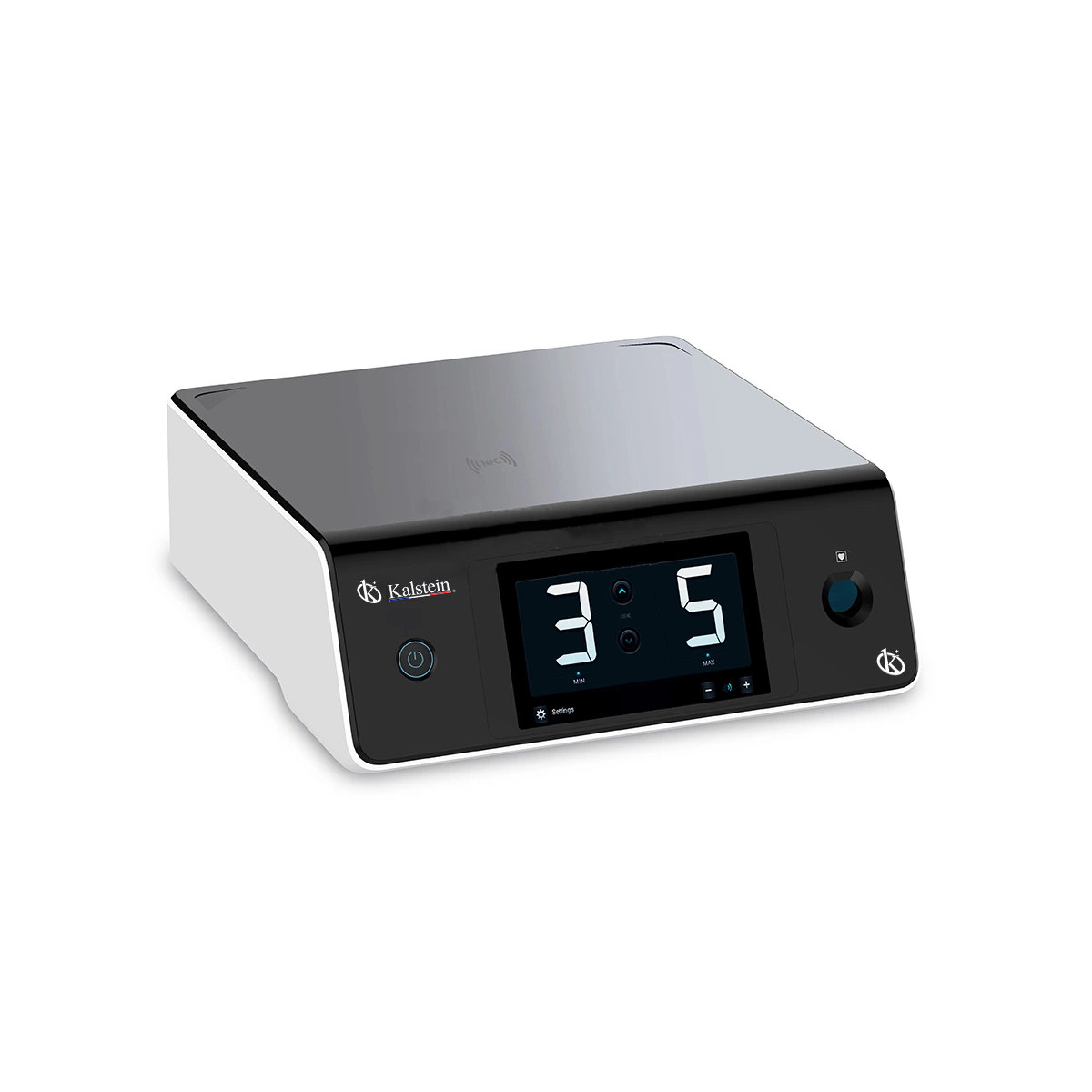
Predictive Maintenance and Recommended Calibration for Veterinary Electrosurgical Units
Veterinary electrosurgical units are essential tools in modern veterinary surgeries, facilitating efficient and precise procedures. However, their effectiveness can diminish over time without proper maintenance and calibration. This article delves into the importance of predictive maintenance and recommended calibration practices for these units, ensuring they operate at peak performance and safety standards.
Understanding Predictive Maintenance in Veterinary Electrosurgical Units
Predictive maintenance refers to the techniques and processes used to predict when equipment failure might occur, allowing for proactive repairs and maintenance. For veterinary electrosurgical units, this involves monitoring their performance parameters and identifying potential issues before they lead to equipment failure. Regular checks on components such as the power output, functionality of the handpieces, and operational stability contribute to enhanced reliability during surgical procedures.
Importance of Calibration in Electrosurgical Equipment
Calibration is critical in ensuring veterinary electrosurgical units deliver accurate and consistent performance. Regular calibration according to recommended intervals helps maintain precision in energy delivery, which is crucial in minimizing tissue damage during surgeries. Accurate calibration not only enhances surgical outcomes but also ensures compliance with veterinary health regulations, safeguarding animal welfare.
Recommended Calibration Intervals for Veterinary Electrosurgical Units
Calibration intervals can vary based on the type of unit and frequency of use. For instance, units used in high-volume settings may require more frequent calibration. A general guideline suggests quarterly calibration for regular-use units and biannually for those used less frequently. Tracking usage and performance trends can provide data to adjust these intervals as necessary.
Key Performance Indicators (KPIs) for Predictive Maintenance
Establishing KPIs is essential for effective predictive maintenance strategies. Metrics such as Mean Time Between Failures (MTBF), Mean Time To Repair (MTTR), and calibration accuracy rates can provide insights into equipment longevity and reliability. By analyzing these KPIs, veterinary practices can make informed decisions regarding maintenance schedules and investment in new equipment.
Comparison of Available Models
| Model | Output Power | Modes of Operation | Recommended Calibration Interval | Best For |
|---|---|---|---|---|
| YR06129 | 380 mA | MAX, MIN | Quarterly | General surgical tasks |
| YR06130 | 35 Watts | 7 Working Modes | Quarterly | General and specialty surgeries |
| YR06131 | 300 Watts | Automatic and manual | Biannual | Laparoscopic applications |
| YR06132 | 300 Watts | Multiple modes | Quarterly | Open surgeries |
| YR06133 | 15 Watts | Continuous, Pulsed | Biannual | Portable surgical applications |
| YR06134 | 15 Watts | Continuous, Pulsed | Biannual | Portable surgical applications |
Common Mistakes and How to Avoid Them
One of the most common mistakes in maintaining veterinary electrosurgical units is neglecting routine checks and calibrations. It is essential to establish a maintenance schedule that aligns with the manufacturer's recommendations and operational demands. Additionally, failing to keep detailed records of maintenances, such as calibration logs and performance reports, can lead to overlooking essential adjustments needed for optimal operation. Always ensure that staff are trained on equipment usage and maintenance protocols to prevent mishaps.
Frequently Asked Questions
What is the recommended maintenance schedule for veterinary electrosurgical units?
Regular maintenance for veterinary electrosurgical units typically involves quarterly checks and calibrations, especially for units like the YR06129, which is commonly used in general surgical tasks. This schedule helps to ensure consistent performance and safety during procedures.
How often should calibration be performed on the YR06130 model?
The YR06130 model, which features 7 working modes, should undergo calibration every quarter to maintain optimal functionality. This frequent calibration ensures reliability during surgeries and compliance with veterinary regulations.
What are the consequences of failing to calibrate veterinary electrosurgical units?
Neglecting calibration can lead to inaccurate energy delivery, increasing the risk of surgical complications. For example, failing to calibrate the YR06131 model could result in inconsistent sealing of blood vessels, potentially compromising patient safety.
How can predictive maintenance reduce costs for veterinary practices with electrosurgical units?
Implementing predictive maintenance strategies, such as regular performance monitoring and analysis of KPIs, can significantly reduce the cost associated with unexpected equipment failures. This proactive approach allows for timely repairs, potentially saving practices the high costs associated with emergency replacements.
Which veterinary electrosurgical unit is best for laparoscopic procedures?
The YR06131 model is highly recommended for laparoscopic procedures due to its automatic and manual operation modes that provide flexibility in surgical applications. Its high output power ensures reliable performance in sealing blood vessels during minimally invasive surgeries.
What training is necessary for operating veterinary electrosurgical units?
Veterinary staff must be trained on the proper operation of electrosurgical units, including safety protocols and maintenance procedures. Training should cover specific models, like the YR06132, to ensure they understand the features and capabilities essential for effective usage in surgical settings.
How does calibration impact the performance of veterinary electrosurgical units?
Calibration directly influences the performance of veterinary electrosurgical units by ensuring precise energy delivery. For instance, the YR06130 model requires accurate calibration to maintain its effectiveness during procedures, preventing tissue damage and ensuring the safety of surgical outcomes.
What should be included in a maintenance record for electrosurgical units?
A maintenance record should include calibration dates, performance measurements, and any repairs performed on the units. For models like the YR06133, having detailed logs helps track the history of the equipment, ensuring compliance with veterinary standards and aiding in predictive maintenance efforts.
If you are looking for a fusion of innovation and quality, you have come to the right place. At Kalstein, we offer you the luxury of exploring our exclusive catalog of laboratory equipment. We manufacture every device to the highest standards of excellence. Our intuitive and seamless online purchasing channels are designed for your convenience, securing the most competitive prices. Hesitate no longer — we bring science to life, it is time to become part of our community.