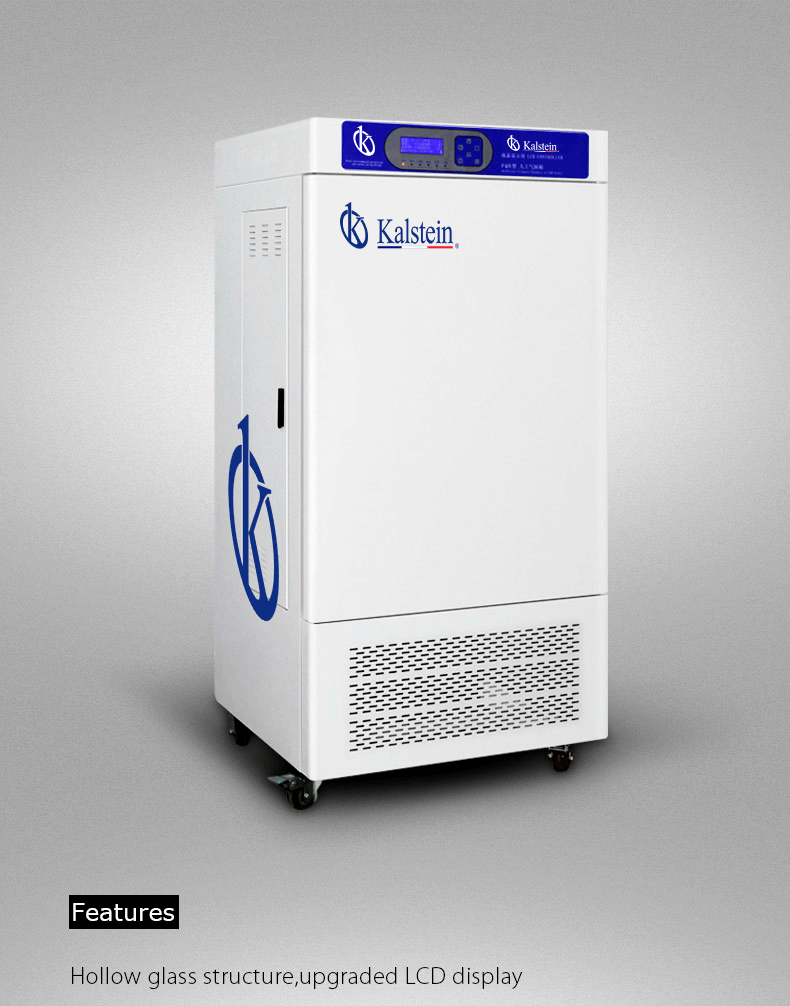
How to Implement Predictive Maintenance and Calibration for Plant Growth Chambers
Plant growth chambers are essential in research and commercial applications for controlling environmental conditions for plant growth. Implementing predictive maintenance and periodic calibration is crucial for ensuring these chambers operate efficiently and remain compliant with industry standards. This article will delve into the intricacies of maintenance strategies specific to plant growth chambers, emphasizing the models available, key performance indicators (KPIs), and practical recommendations for laboratory professionals.
Understanding Predictive Maintenance in Plant Growth Chambers
Predictive maintenance involves monitoring the condition of plant growth chambers to predict when maintenance should be performed. This strategy is essential for minimizing downtime and ensuring the reliability of environmental conditions. By utilizing data from sensors and operational metrics, laboratories can optimize their maintenance schedules, reducing costs and extending the lifespan of their equipment.
Key Benefits of Predictive Maintenance
The benefits of predictive maintenance in plant growth chambers include reduced operational costs, improved laboratory efficiency, and enhanced compliance with environmental standards. By proactively addressing potential failures before they occur, facilities can avoid costly repairs and downtime.
Common Technologies for Monitoring
Several technologies are integral to implementing predictive maintenance in plant growth chambers. These include temperature and humidity sensors, vibration analysis tools, and data logging systems that record operational parameters over time. Utilizing these technologies allows for accurate assessments of equipment condition and performance.
Periodic Calibration: What You Need to Know
Periodic calibration is vital for ensuring that plant growth chambers maintain accurate environmental conditions. Calibration ensures that temperature, humidity, and light levels are within specified ranges, crucial for various applications such as seed germination and scientific research.
Recommended Calibration Intervals
Calibration intervals can vary depending on the application and usage frequency of the growth chamber. A general guideline is to calibrate every 6 to 12 months. For critical applications, more frequent calibration may be necessary. The YR05331, YR05332, and YR05333 models, for instance, all feature built-in calibration protocols that can help streamline this process.
Comparison of Available Models
| Model | Temperature Range (°C) | Illumination (LX) | Power (W) | Volume (L) | Price (USD) |
|---|---|---|---|---|---|
| YR05331 | 10~50 with lighting, 5~60 without | 0~10000 | 900 | 150 | 1015.00 |
| YR05332 | 10~50 with lighting, 5~60 without | 0~15000 | 1000 | 250 | 1270.00 |
| YR05333 | 10~50 with lighting, 5~60 without | 0~15000 | 1200 | 350 | 1700.00 |
Common Mistakes and How to Avoid Them
One of the most common mistakes in maintaining plant growth chambers is neglecting regular checks on calibration and performance metrics. Regular training of staff on the importance of predictive maintenance and establishing a routine for checks can greatly mitigate this risk.
Ignoring Sensor Data
Many laboratories overlook the importance of sensor data in predictive maintenance strategies. It's crucial to continuously monitor the performance of sensors to ensure they provide accurate readings. Implementing a system for regular data review can help in identifying potential issues before they escalate.
Neglecting Documentation
Proper documentation is essential for compliance and quality assurance. Failing to maintain accurate records of maintenance and calibration activities can lead to regulatory issues. Establishing a documented procedure for maintenance can help in avoiding these pitfalls.
Frequently Asked Questions
What are the best practices for predictive maintenance in plant growth chambers?
Best practices for predictive maintenance include regular sensor monitoring, establishing maintenance schedules based on operational data, and utilizing models like YR05332 that support advanced analytics for maintenance predictions.
How often should a plant growth chamber be calibrated for optimal performance?
It is recommended to calibrate a plant growth chamber every 6 to 12 months, depending on usage. Models like YR05331 are equipped to facilitate this process efficiently.
What are the common environmental conditions monitored in plant growth chambers?
Common conditions include temperature, humidity, and light intensity. Accurate monitoring of these parameters in models such as YR05333 is essential for successful plant growth research.
How can predictive maintenance reduce costs in plant growth chambers?
Predictive maintenance can reduce costs by minimizing unplanned downtime and extending equipment lifespans. For instance, using YR05332 can help identify issues early, leading to lower repair costs.
What role does calibration play in compliance for plant growth chambers?
Calibration ensures that the environmental parameters meet regulatory standards, which is essential for compliance. Regular calibration of models like YR05331 helps maintain accurate conditions critical for research integrity.
How can I track maintenance schedules for plant growth chambers effectively?
Effective tracking can be achieved through software for maintenance management or a simple checklist system. Maintaining records for models like YR05332 ensures compliance and operational efficiency.
What should I do if my plant growth chamber shows unusual performance metrics?
Investigate the source of the abnormal metrics immediately, and consider recalibrating the unit or consulting the manufacturer's guidelines for troubleshooting. Models like YR05333 have built-in diagnostics for such scenarios.
Conclusion
Implementing predictive maintenance and periodic calibration for plant growth chambers is essential for maximizing operational efficiency and ensuring compliance with industry standards. By understanding the benefits and utilizing the right models, laboratories can enhance their research capabilities significantly.
If you are looking for a fusion of innovation and quality, you have come to the right place. At Kalstein, we offer you the luxury of exploring our exclusive catalog of laboratory equipment. We manufacture every device to the highest standards of excellence. Our intuitive and seamless online purchasing channels are designed for your convenience, securing the most competitive prices. Hesitate no longer — we bring science to life, it is time to become part of our community.