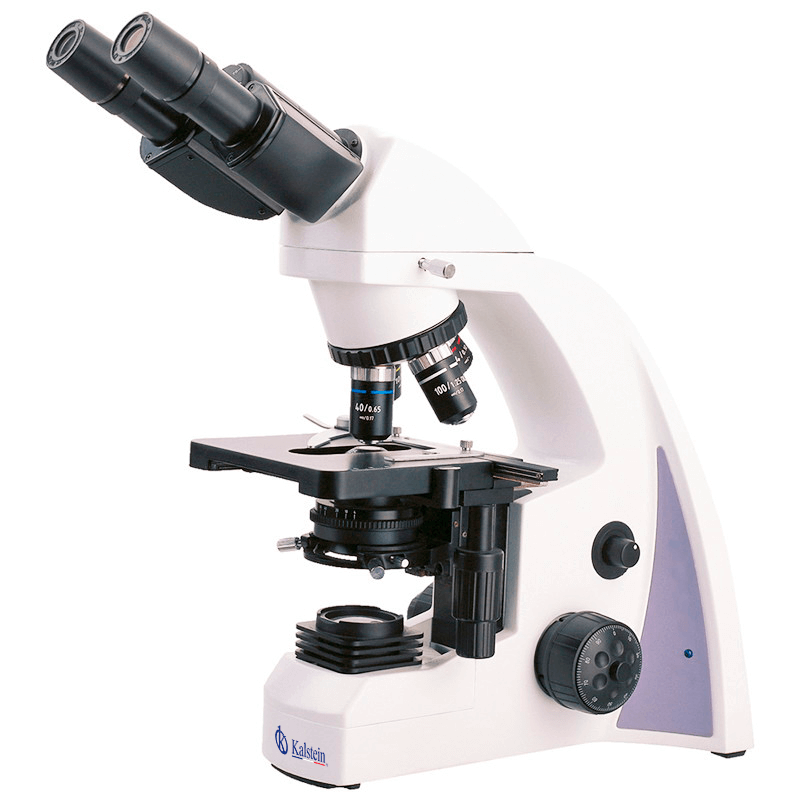
Predictive Maintenance and Recommended Calibration for Pipettes
Pipettes are essential tools in laboratories, providing precision and accuracy in liquid handling. To maintain their reliability, implementing predictive maintenance and establishing recommended calibration protocols are crucial. This article discusses how maintaining these pipettes, particularly models like the YR03731-1 and YR03731-2, ensures optimal performance, compliance with industry standards, and ultimately enhances laboratory productivity.
Importance of Predictive Maintenance for Pipettes
Predictive maintenance involves monitoring equipment to identify potential failures before they occur. This proactive approach is particularly beneficial for pipettes, which are sensitive instruments that require regular checks to ensure accuracy. Addressing wear and tear early can prevent costly downtimes and ensure that pipettes consistently deliver reliable results.
Recommended Calibration Practices for Pipettes
Calibration is the process of configuring an instrument to provide a result for a sample within an acceptable range. For pipettes, regular calibration is essential to meet ISO 8655 standards, which outline the requirements for pipette calibration. The recommended interval for calibration varies depending on the frequency of use and the precision required, but generally, it is advised to calibrate pipettes at least once a year.
Key Calibration Standards for Pipettes
Calibration of pipettes should adhere to industry standards such as ISO 8655, which defines the procedures for assessing the performance of pipettes. This includes testing the accuracy and precision of the pipette's volume delivery capabilities. By following these standards, laboratories can ensure that their pipettes meet regulatory requirements and deliver accurate results.
Comparison of Available Models
| Model | Volume Range | Accuracy | Repeatability | Best for |
|---|---|---|---|---|
| YR03731-1 | 10 μl | ±1.0% | ≤0.50% | Precision tasks |
| YR03731-2 | 20 μl | ±1.0% | ≤0.30% | General liquid handling |
| YR03731-3 | 25 μl | ±1.0% | ≤0.30% | Versatile applications |
Common Mistakes and How to Avoid Them
One common mistake in pipette maintenance is neglecting regular calibration schedules. Laboratories often overlook the importance of documenting calibration results and maintenance activities, which can lead to compliance issues. To avoid these pitfalls, labs should establish a clear schedule for maintenance and calibration, and utilize management systems to track these activities effectively.
Predictive Maintenance Strategies for Pipettes
Implementing predictive maintenance strategies for pipettes involves regular monitoring of performance metrics such as volume delivery consistency and external conditions affecting usage. Maintenance schedules should be adjusted based on usage patterns and performance data collected, ensuring that any discrepancies are addressed promptly to maintain accuracy.
Factors Affecting Pipette Calibration and Maintenance
Several factors can affect the calibration and maintenance needs of pipettes, including the frequency of use, the environment in which they are operated, and the type of liquids handled. For instance, working with highly viscous fluids may require more frequent calibration checks to maintain accuracy. Understanding these factors will help laboratories develop tailored maintenance plans that cater to their specific needs.
Setting Up a Calibration Schedule
A practical calibration schedule should consider the laboratory's usage patterns and the precision required for various applications. For example, a lab using YR03731-1 for high-precision tasks should calibrate more frequently than one using YR03731-2 for general purposes. A suggested calibration frequency might include:
| Usage Level | Calibration Frequency |
|---|---|
| High usage | Monthly |
| Moderate usage | Quarterly |
| Low usage | Biannually |
Frequently Asked Questions
How often should pipettes be calibrated to meet ISO 8655 standards?
Pipettes should be calibrated at least once a year to meet ISO 8655 standards. However, high-usage models like YR03731-1 may require monthly calibrations to ensure accuracy.
What are the key benefits of predictive maintenance for laboratory pipettes?
Predictive maintenance helps identify potential issues before they lead to instrument failure, ensuring that pipettes like the YR03731-2 continue to deliver accurate results, minimizing downtime and costs.
Which calibration method is best for ensuring accuracy in pipettes?
The gravimetric method is widely viewed as the best calibration method for ensuring accuracy in pipettes. It involves measuring the weight of water dispensed, providing a reliable measure of performance for models like YR03731-3.
How can I set up an effective maintenance schedule for my pipettes?
To set up an effective maintenance schedule, assess your usage patterns, document your calibration results, and establish a clear timeline for checks based on the model's usage, like YR03731-1 for high precision tasks.
What is the impact of temperature on pipette calibration?
Temperature can significantly impact pipette calibration. Variations can affect the density of liquids, leading to inaccuracies. Using models like YR03731-2 in controlled environments can mitigate this issue.
How do I document calibration results for compliance?
Documenting calibration results involves maintaining a calibration log that includes dates, results, and any corrective actions taken. This is essential for compliance with standards like ISO 8655 when using pipettes.
What tools do I need for calibrating pipettes?
Essential tools for calibrating pipettes include analytical balances, calibration weights, and calibration software. Using these tools ensures accurate assessments for models such as YR03731-3.
How can I minimize the impact of user error on pipette performance?
Minimizing user error can be achieved through training and standard operating procedures. Ensuring that users of pipettes like YR03731-1 understand the correct usage techniques is crucial.
If you are looking for a fusion of innovation and quality, you have come to the right place. At Kalstein, we offer you the luxury of exploring our exclusive catalog of laboratory equipment. We manufacture every device to the highest standards of excellence. Our intuitive and seamless online purchasing channels are designed for your convenience, securing the most competitive prices. Hesitate no longer — we bring science to life, it is time to become part of our community.