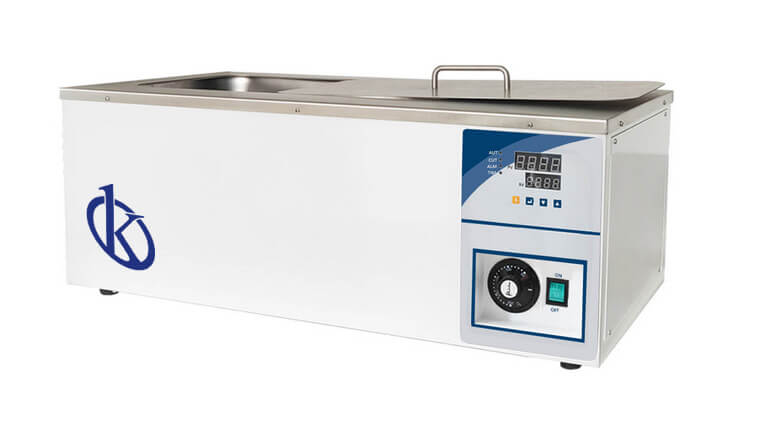
How to Implement Predictive Maintenance and Recommended Calibration for Oil Baths
In laboratory settings, oil baths are crucial for providing controlled heating in various applications, from bioengineering to food safety analyses. With a growing emphasis on efficiency and reliability, predictive maintenance and regular calibration have become essential practices for ensuring consistent performance in these devices. This article delves into the best practices for implementing predictive maintenance and recommended calibration techniques specifically for oil baths, while analyzing multiple models within this subcategory.
The Importance of Predictive Maintenance in Oil Baths
Predictive maintenance focuses on anticipating equipment failures before they occur, reducing downtime and extending the lifespan of laboratory instruments. In the context of oil baths, predictive maintenance involves regular monitoring of temperature stability, control system functionality, and safety features. This approach not only ensures consistent results but also helps in minimizing operational costs associated with unexpected repairs and replacements.
Recommended Calibration Practices for Oil Baths
Calibration is vital for maintaining the accuracy and reliability of oil baths. Regular calibration ensures that temperature readings are precise, which is critical in applications where even minor deviations can lead to significant errors. Recommended practices include establishing a calibration schedule, utilizing traceable calibration standards, and documenting results meticulously. Calibration intervals should be determined based on usage frequency, manufacturer recommendations, and historical performance data.
Key Benefits of Regular Calibration
Regular calibration of oil baths offers numerous advantages, including improved accuracy, enhanced reproducibility of results, compliance with regulatory standards, and increased confidence in experimental outcomes. By establishing a rigorous calibration routine, laboratories can ensure that their oil baths remain reliable and effective in their intended applications.
Comparison of Available Models
| Model | Temperature Range (°C) | Power (W) | Size (mm) | Price (USD) |
|---|---|---|---|---|
| YR04973 | RT +5~250 | 1000 | 300 x 240 x 150 | 150.00 |
| YR04974 | RT +5~250 | 1200 | 300 x 240 x 200 | 165.00 |
| YR04975 | RT +5~250 | 1600 | 500 x 290 x 150 | 192.00 |
| YR04976 | RT +5~250 | 2000 | 500 x 290 x 200 | 250.00 |
Common Mistakes and How to Avoid Them
Laboratories often make mistakes in the maintenance and calibration of oil baths, leading to inefficiencies and inaccuracies. Common errors include neglecting to schedule regular calibrations, failing to use traceable standards, and not documenting calibration results sufficiently. To avoid these pitfalls, laboratories should establish a routine maintenance schedule, utilize recommended calibration standards, and maintain thorough records of all maintenance activities.
Recognizing Signs of Equipment Failure
Identifying early signs of equipment failure can significantly enhance the predictive maintenance process for oil baths. Some critical signs include inconsistent temperature readings, an inability to reach set temperatures, and alarm notifications indicating overheating or underheating. Regular monitoring and timely intervention can prevent major failures, ensuring that oil baths continue to function optimally.
Establishing a Calibration Schedule
Establishing a calibration schedule is crucial for maintaining the reliability of oil baths. A well-defined schedule should consider factors such as the frequency of use, the precision required for specific applications, and historical data on performance. It is advisable to calibrate oil baths at least annually, or more frequently based on the operating environment and usage patterns.
Frequently Asked Questions
How can predictive maintenance enhance the performance of oil baths?
Predictive maintenance can significantly enhance the performance of oil baths, such as the YR04975 model, by identifying potential failures before they occur. This proactive approach minimizes downtime and ensures more reliable temperature control for critical applications.
What calibration standards are essential for oil baths in laboratories?
Essential calibration standards for oil baths include traceable thermometers and certified temperature probes. For instance, using standards recognized by ISO 17025 ensures that equipment like the YR04974 model meets rigorous accuracy requirements.
Why is documentation important in the calibration process of oil baths?
Documentation is vital in the calibration process to provide traceability and accountability. It ensures that all calibrations, such as those performed on the YR04973 model, are recorded and can be reviewed for compliance and performance verification.
What are common signs that an oil bath needs calibration?
Common signs that an oil bath, like the YR04976 model, needs calibration include inconsistent temperature readings, alarms for overtemperature, and visible fluctuations during operation. Regular checks can help identify these issues early.
How often should oil baths be calibrated for optimal performance?
Oil baths should ideally be calibrated at least once a year, but more frequent calibration may be necessary depending on the usage, like for the YR04975 model, especially in high-demand environments where precision is critical.
What maintenance practices prolong the life of oil baths?
Regular cleaning, prompt repairs of any faults, and adherence to a calibration schedule are maintenance practices that can prolong the life of oil baths. Equipment like the YR04974 model benefits from consistent maintenance to ensure longevity and reliability.
What should be included in a calibration record for oil baths?
A calibration record for oil baths should include the date of calibration, the technician's name, the equipment used for calibration, results, and any adjustments made. This is essential for models like YR04973 to maintain compliance and quality control.
How do preventive and predictive maintenance strategies differ for oil baths?
Preventive maintenance is scheduled based on time intervals, whereas predictive maintenance, as applied to oil baths like the YR04976 model, uses data and condition monitoring to predict failures. This key difference allows for more targeted and efficient maintenance actions.
If you are looking for a fusion of innovation and quality, you have come to the right place. At Kalstein, we offer you the luxury of exploring our exclusive catalog of laboratory equipment. We manufacture every device to the highest standards of excellence. Our intuitive and seamless online purchasing channels are designed for your convenience, securing the most competitive prices. Hesitate no longer — we bring science to life, it is time to become part of our community.