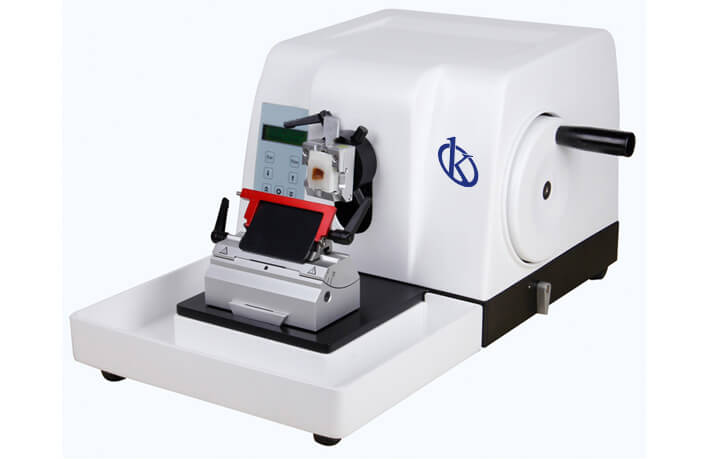
Exploring Predictive Maintenance and Recommended Calibration for Microtome Series
The Microtome Series plays a crucial role in histological and pathological laboratories, where precision and reliability are paramount. This article focuses on the importance of predictive maintenance and recommended calibration for various models in the Microtome Series. Understanding these aspects is essential for laboratory professionals seeking to enhance efficiency and maintain high standards in sample preparation.
Understanding Predictive Maintenance in Microtome Operation
Predictive maintenance refers to a proactive approach to equipment maintenance, allowing for the identification of potential issues before they lead to failures. In the context of microtomes, this entails monitoring performance metrics and using data analysis to schedule maintenance activities. This strategy minimizes downtime and prolongs the lifespan of the equipment, ultimately enhancing productivity in laboratories.
The Importance of Regular Calibration
Regular calibration is vital in ensuring that microtomes operate within the specified tolerance levels for section thickness and overall performance. Calibration helps in maintaining accuracy, which is crucial in histology, where even minor deviations can lead to significant impacts on diagnosis and research outcomes. Without proper calibration, the reliability of results can be compromised.
Recommended Calibration Intervals for Microtome Series Models
Calibration intervals can vary by model and frequency of use. For instance, models like the YR416 and YR420 may require calibration every six months under regular usage conditions, while models like the YR417 may necessitate more frequent checks if used heavily. It's essential to develop a calibration schedule tailored to the specific usage patterns of each model in the laboratory.
| Model | Recommended Calibration Interval | Best Practices |
|---|---|---|
| YR416 | Every 6 months | Check precision cutting and section thickness |
| YR417 | Every 3 months | Evaluate sample handling and cutting accuracy |
| YR420 | Every 6 months | Assess blade holder alignment and cutting smoothness |
| YR421 | Every 6 months | Inspect for wear and tear on cutting mechanisms |
| YR422 | Every 6 months | Review functionality of the safety features |
Comparison of Available Models
| Model | Price (USD) | Best Use Case | Calibration Needs |
|---|---|---|---|
| YR416 | 3600.00 | General histology | Every 6 months |
| YR417 | 4000.00 | High-demand laboratories | Every 3 months |
| YR420 | 2400.00 | Research and pathology | Every 6 months |
| YR421 | 2400.00 | Pathological applications | Every 6 months |
| YR422 | 1200.00 | Budget-friendly histology labs | Every 6 months |
Common Mistakes and How to Avoid Them
One common mistake in laboratory settings is neglecting regular maintenance and calibration, leading to compromised results. Another issue is using outdated calibration standards, which can result in inaccurate measurements. To avoid these pitfalls, laboratories should establish a routine maintenance schedule, including clear documentation of calibration actions taken on each microtome model.
Frequently Asked Questions
What is the recommended calibration frequency for microtome models in histology labs?
In histology labs, the recommended calibration frequency for models like the YR417 is every three months, while models such as the YR416 typically require calibration every six months to ensure accuracy and reliability.
How does predictive maintenance improve the performance of microtomes?
Predictive maintenance enhances microtome performance by identifying potential issues before they escalate into serious problems. This approach allows for timely interventions, reducing downtime and maintaining high-quality sectioning operations.
Which microtome model is most suitable for high-demand laboratories?
The YR417 microtome model is particularly suitable for high-demand laboratories due to its robust construction and advanced features, ensuring precision and reliability in sample preparation.
How can I ensure my microtome is calibrated accurately?
To ensure accurate calibration of your microtome, adhere to the manufacturer’s calibration schedule, use certified calibration standards, and document all calibration activities in a maintenance log for traceability.
What are the key benefits of using predictive maintenance for microtomes?
The key benefits of predictive maintenance for microtomes include enhanced equipment lifespan, reduced operation costs, minimized downtime, and improved overall performance in laboratory environments.
What factors influence the calibration interval for microtome models?
Calibration intervals for microtome models are influenced by factors such as usage frequency, operational conditions, and the specific model’s design characteristics, with some models requiring more frequent checks than others.
How can I prevent common pitfalls in microtome maintenance?
Preventing common pitfalls in microtome maintenance involves establishing a routine maintenance schedule, training staff on proper handling procedures, and ensuring regular checks and documentation are performed to maintain equipment integrity.
What should I consider when selecting a microtome model for my lab?
When selecting a microtome model for your lab, consider factors such as the specific applications, required precision, budget constraints, and the recommended calibration frequency based on your laboratory's workload.
If you are looking for a fusion of innovation and quality, you have come to the right place. At Kalstein, we offer you the luxury of exploring our exclusive catalog of laboratory equipment. We manufacture every device to the highest standards of excellence. Our intuitive and seamless online purchasing channels are designed for your convenience, securing the most competitive prices. Hesitate no longer — we bring science to life, it is time to become part of our community.