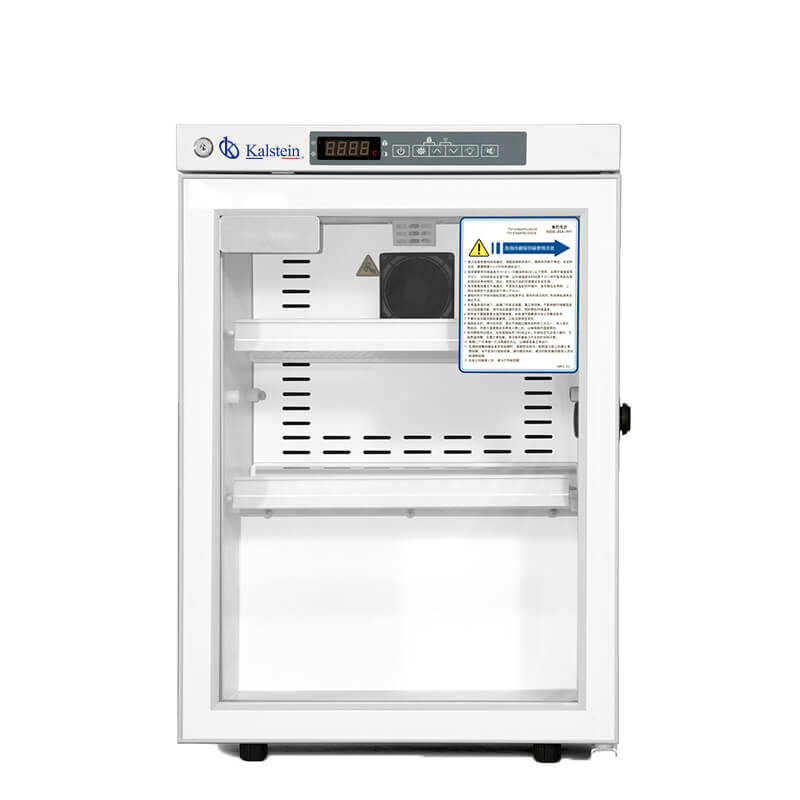
How to Implement Predictive Maintenance and Recommended Calibration for Medical Refrigerators
In the realm of laboratory storage, medical refrigerators play a pivotal role in preserving essential biological samples, pharmaceuticals, and vaccines. However, to ensure optimal performance and compliance with stringent safety regulations, it is paramount to implement predictive maintenance and periodic calibration. This article will explore the various models available, their specific features, and how to effectively maintain them for peak efficiency.
Understanding Predictive Maintenance for Medical Refrigerators
Predictive maintenance refers to techniques that help determine the condition of in-service medical refrigerators to estimate when maintenance should be performed. This approach aims to minimize downtime and prevent unexpected failures. Regular predictive maintenance includes monitoring temperature fluctuations, checking alarm systems, and ensuring optimal refrigerant levels. Implementing these measures helps guarantee the safety and efficacy of stored materials.
Recommended Calibration Procedures for Medical Refrigerators
Calibration is vital for maintaining the accuracy of temperature readings in medical refrigerators. It involves adjusting the device to ensure that the measurements align with defined standards. Regular calibration checks, typically scheduled quarterly or bi-annually, ensure that the refrigerator operates within the recommended temperature ranges (2-8°C), which is crucial for the preservation of sensitive materials.
Comparison of Available Models
| Model | Temperature Range (°C) | Refrigerant | Power Consumption (kWh/24h) | Price (USD) |
|---|---|---|---|---|
| YR05083 | 2 - 8 | R600a | 0.84 | 280.00 |
| YR05085 | 2 - 8 | R134a | 3.97 | 770.00 |
| YR05086 | 2 - 8 | R600a | 5.75 | 1220.00 |
| YR05087 | 2 - 8 | R600a | 6.23 | 1400.00 |
| YR05286-1 | 2 - 8 | R600a | 2.2 | 1190.00 |
| YR05288 | 2 - 8 | R290 | 2.4 | 560.00 |
Common Mistakes and How to Avoid Them
One common mistake in maintaining medical refrigerators is neglecting to monitor temperature fluctuations. This oversight can lead to improper storage conditions, risking the integrity of valuable samples. Another frequent error is failing to perform timely calibrations; this can result in inaccurate readings that compromise safety. To avoid these mistakes, set reminders for regular maintenance checks and calibrations, ensuring that all staff is trained to recognize alarm signals and understand the importance of compliance.
Best Practices for Predictive Maintenance
To implement effective predictive maintenance for medical refrigerators, follow these best practices: First, establish a routine inspection schedule that includes visual checks and monitoring of key performance indicators, such as MTBF (Mean Time Between Failures) and MTTR (Mean Time To Repair). Second, utilize data analytics to predict potential failures based on historical performance and current operational data. Lastly, ensure that all maintenance activities are documented thoroughly to establish a history of compliance and performance.
Critical Calibration Intervals
Calibration intervals for medical refrigerators should typically occur every 6 months or after significant repairs. Establish a schedule that accounts for the usage level of each model. For example, the YR05086 with higher power consumption may require more frequent checks to maintain accuracy. Include a detailed log of all calibration activities to ensure traceability and compliance with regulatory standards.
Role of Sensors and Technology in Maintenance
The integration of advanced sensors in medical refrigerators enables real-time monitoring of temperature and humidity levels. Models like the YR05087 are equipped with NTC sensors that provide highly accurate data, reducing the risk of human error during manual checks. Leveraging this technology allows lab personnel to receive alerts regarding any deviations from the set parameters, facilitating prompt corrective actions.
Frequently Asked Questions
How often should medical refrigerators be calibrated for compliance?
Medical refrigerators should be calibrated at least every six months to ensure compliance with safety standards. For instance, the YR05086 model, which has a recommended range of 2-8°C, must maintain accuracy to safeguard stored pharmaceuticals effectively.
What are the key benefits of predictive maintenance for medical refrigerators?
Predictive maintenance helps prevent unexpected failures, ensuring the reliability of medical refrigerators. By monitoring performance indicators, lab managers can take proactive measures. Models like the YR05083 benefit significantly from routine checks, maintaining optimal conditions for sensitive materials.
How can I ensure the proper functioning of my medical refrigerator?
Regular maintenance, including temperature checks and calibration, is essential for proper functioning. For example, the YR05288 requires consistent monitoring to maintain its 2-8°C range, ensuring that all stored items remain within safe limits.
What are the consequences of failing to maintain medical refrigerators?
Failure to maintain medical refrigerators can lead to equipment failure, compromising the integrity of stored samples and potentially violating regulatory compliance. For instance, the YR05085 model must be routinely checked to remain operationally effective.
What should I do if my medical refrigerator alarm goes off?
If the alarm on your medical refrigerator, such as the YR05087 model, goes off, immediately check the temperature readings and ensure the door is closed. Investigate any potential issues, as alarm signals indicate potential dangers to stored materials.
Which medical refrigerator models are best for vaccine storage?
Models like the YR05286-1 are specifically designed for optimal vaccine storage, maintaining a 2-8°C temperature range crucial for vaccine efficacy. These units often come with advanced monitoring features that enhance reliability.
How can I track maintenance activities for my medical refrigerator?
Implementing a maintenance log is key to tracking activities. Document all calibration and maintenance tasks performed on models like the YR05086 to establish a history of compliance and performance, ensuring that all protocols are followed consistently.
What is the importance of temperature alarms in medical refrigerators?
Temperature alarms are crucial for ensuring the safety of stored items in medical refrigerators. For instance, models like the YR05083 have built-in alarms that alert users to any temperature deviations, allowing for immediate corrective actions to protect sensitive materials.
If you are looking for a fusion of innovation and quality, you have come to the right place. At Kalstein, we offer you the luxury of exploring our exclusive catalog of laboratory equipment. We manufacture every device to the highest standards of excellence. Our intuitive and seamless online purchasing channels are designed for your convenience, securing the most competitive prices. Hesitate no longer — we bring science to life, it is time to become part of our community.