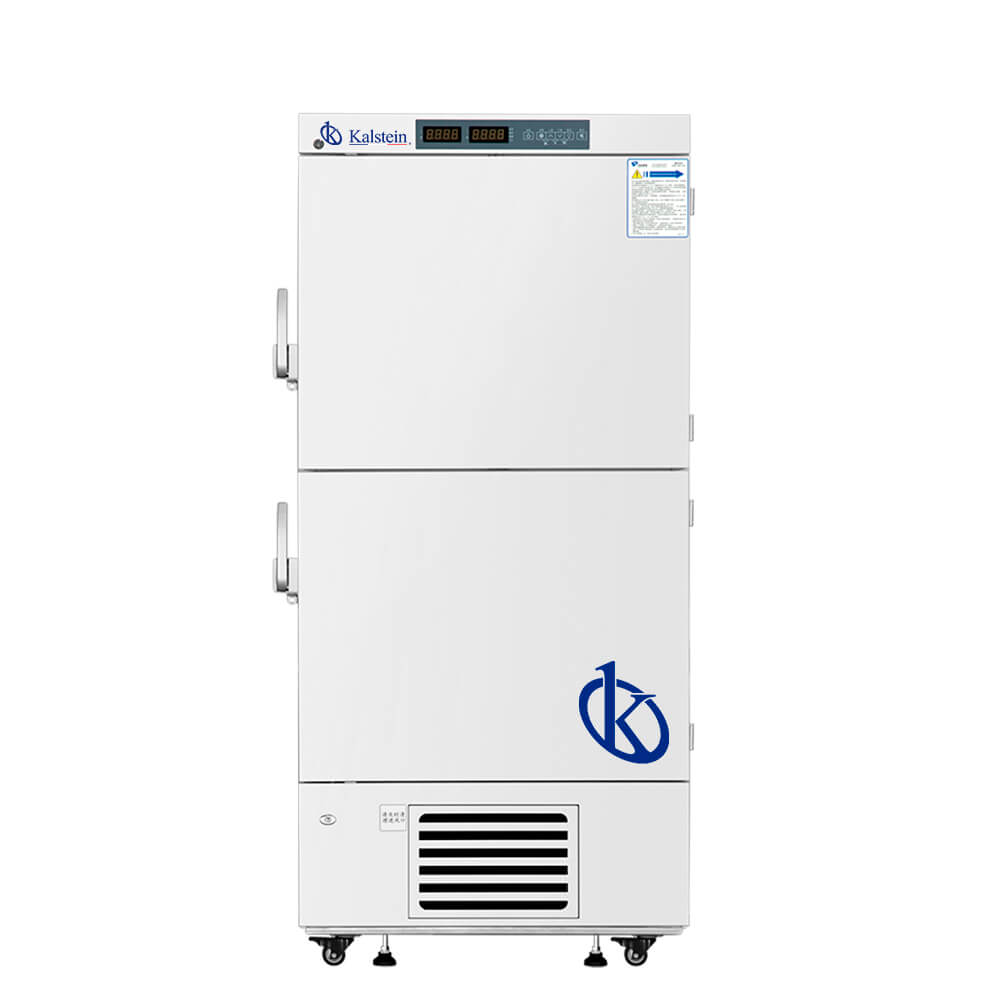
How Predictive Maintenance Enhances Calibration in Low Temperature Freezers
Low temperature freezers are essential in laboratories for preserving biological samples, pharmaceuticals, and other temperature-sensitive materials. However, maintaining optimal performance requires a robust approach to predictive maintenance and periodic calibration. This article delves into the significance of predictive strategies, calibration intervals, and how choosing the right model ensures reliability and compliance.
Understanding Predictive Maintenance
Predictive maintenance refers to the proactive approach of maintaining equipment based on real-time data analysis and specific performance metrics. It contrasts with reactive maintenance, which addresses failures after they occur. By utilizing data from temperature sensors and system performance, laboratories can predict when maintenance should occur and prevent costly breakdowns.
Importance of Periodic Calibration
Calibration ensures that the temperature readings of low temperature freezers are accurate, maintaining the integrity of stored samples. Regular calibration minimizes the risk of sample degradation or loss. Laboratories following regulatory standards, such as ISO 17025, are required to calibrate their equipment at defined intervals, ensuring reliability and traceability of results.
Key Metrics for Predictive Maintenance
| Metric | Description |
|---|---|
| Mean Time Between Failures (MTBF) | Average time between equipment failures; a higher MTBF indicates better reliability. |
| Mean Time To Repair (MTTR) | Average time taken to repair a system; a lower MTTR is desirable. |
| Calibration Frequency | Recommended intervals for calibrating equipment based on manufacturer guidelines and use case. |
Comparison of Available Models
| Model | Temperature Range (°C) | Calibration Features | Best Use Case |
|---|---|---|---|
| YR05100 | -20 to -40 | Independent temperature indicators for enhanced calibration accuracy | Flexible sample storage in laboratories |
| YR05309 | -20 to -40 | Multiple alarms for monitoring performance and early failure detection | Medical supply storage with high reliability |
| YR05311 | -10 to -25 | Dual temperature control systems for periodic verification | Laboratories requiring robust sample preservation |
Common Mistakes and How to Avoid Them
One common mistake in laboratory maintenance is neglecting the calibration schedule, leading to inaccurate temperature readings. To avoid this, implement an automated reminder system highlighting when calibration is due. Another mistake is relying solely on reactive maintenance; adopting predictive maintenance strategies can significantly enhance equipment reliability. Regularly review performance metrics and integrate them into your laboratory management system.
Predictive Maintenance Strategies for Low Temperature Freezers
Implementing a predictive maintenance framework involves several strategies, including continuous temperature monitoring, routine data analysis, and scheduled inspections. For instance, models like the YR05309 with multiple alarms can provide real-time alerts on temperature fluctuations, ensuring immediate corrective actions can be taken before any sample degradation occurs.
Calibration Intervals and Recommendations
Determining the correct calibration interval is crucial for maintaining freezer performance. For most low temperature freezers, calibration should occur at least annually or more frequently based on usage and compliance needs. Equipment like the YR05100, which has flexible storage options, may require more frequent calibration if used for diverse sample sizes.
Energy Consumption and Sustainability Aspects
Low temperature freezers consume significant energy, making it crucial to consider energy-efficient models. The YR05309, for example, has a relatively low energy consumption of 5.5 kWh/24h, which contributes to sustainability efforts in laboratories. Regular maintenance not only prolongs equipment lifespan but also optimizes energy use, aligning with environmental standards.
Frequently Asked Questions
What are the benefits of predictive maintenance for low temperature freezers?
Predictive maintenance for low temperature freezers, such as the YR05311, enhances reliability by predicting failures before they occur, thus preventing sample loss. It integrates real-time data to optimize performance and enforce timely calibrations, ensuring accurate temperature control.
How often should I calibrate my low temperature freezer?
Calibration of low temperature freezers, like the YR05100, is typically recommended at least once a year. However, depending on usage intensity and compliance requirements, more frequent calibrations may be necessary to maintain accuracy and reliability.
Which low temperature freezer model is best for laboratory settings?
The YR05309 is highly recommended for laboratory settings due to its multiple alarm systems that ensure operational safety and reliability. Its design is tailored for environments demanding rigorous sample preservation standards.
How can I minimize energy consumption in my low temperature freezer?
Minimizing energy consumption can be achieved by maintaining models like the YR05311 regularly, ensuring seals are tight, and utilizing energy-efficient settings. Regular monitoring helps identify any potential inefficiencies in operation.
What calibration standards should my low temperature freezer meet?
Low temperature freezers, such as the YR05100, should meet ISO 17025 standards for calibration. This ensures that the equipment maintains its accuracy and reliability, which is essential for sample integrity in laboratory applications.
How do alarms in low temperature freezers aid in predictive maintenance?
Alarms in low temperature freezers, like those in the YR05309, provide early warnings for temperature fluctuations, power failures, or sensor errors, allowing for timely maintenance measures. This predictive feature minimizes risks of sample loss.
What specific metrics should I track for effective freezer maintenance?
Key metrics for effective freezer maintenance include MTBF, MTTR, and calibration frequency. Tracking these metrics for models such as the YR05311 will help optimize performance and ensure compliance with laboratory standards.
What is the role of temperature monitoring in maintaining low temperature freezers?
Temperature monitoring plays a critical role in maintaining low temperature freezers by ensuring accurate readings are maintained. For example, the YR05100 features independent temperature indicators that facilitate effective calibration and consistent sample quality.
If you are looking for a fusion of innovation and quality, you have come to the right place. At Kalstein, we offer you the luxury of exploring our exclusive catalog of laboratory equipment. We manufacture every device to the highest standards of excellence. Our intuitive and seamless online purchasing channels are designed for your convenience, securing the most competitive prices. Hesitate no longer — we bring science to life, it is time to become part of our community.