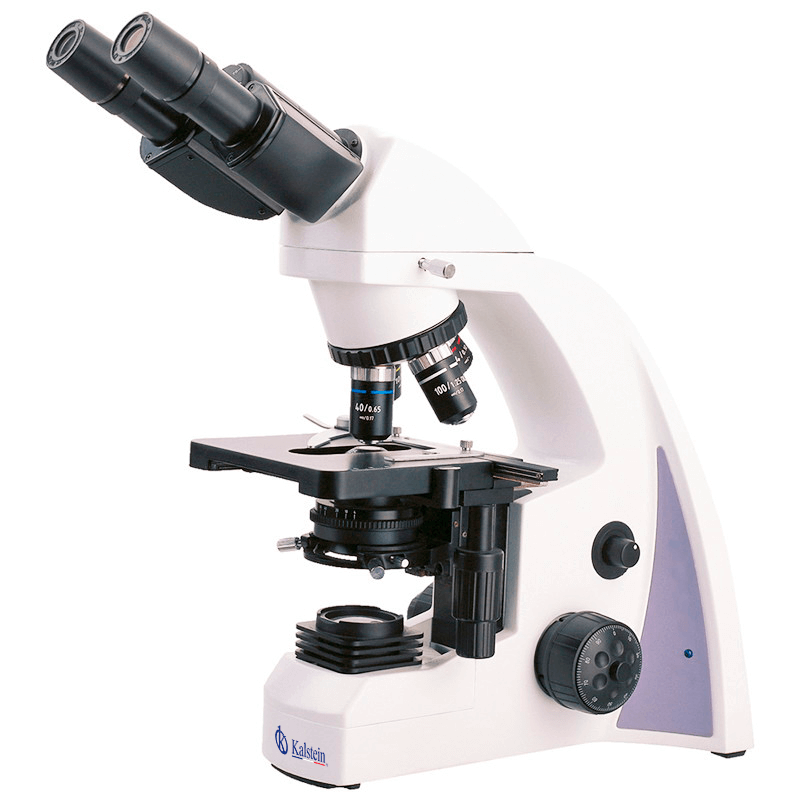
How Predictive Maintenance and Regular Calibration Enhance Laboratory Microscope Performance
A laboratory microscope is an essential tool in various scientific fields, including biology, chemistry, and medical diagnostics. The performance of these instruments is crucial for accurate results. Predictive maintenance and regular calibration are two critical practices that ensure optimal performance and reliability of laboratory microscopes, such as the Laboratory Microscope YR0237-0-1, YR0237-1, and YR0237-1-1 models. This article delves into these practices, their benefits, and how they can be implemented effectively.
Understanding Predictive Maintenance for Laboratory Microscopes
Predictive maintenance involves monitoring equipment conditions to predict when maintenance should be performed. This proactive approach contrasts with reactive maintenance, which occurs only after a failure. For laboratory microscopes, predictive maintenance can involve tracking performance metrics such as resolution, illumination intensity, and mechanical stability.
Implementing predictive maintenance helps avoid unplanned downtimes and extends the lifespan of laboratory microscopes. A model like the Laboratory Microscope YR0237-1, known for its adjustable slide condenser and fine focus knob, integrates well with predictive maintenance strategies by allowing technicians to identify degradation in optical performance before it leads to failure.
The Role of Regular Calibration in Maintaining Microscope Performance
Regular calibration ensures that laboratory microscopes operate within specified tolerances, which is vital for obtaining accurate measurements. Calibration should be performed according to a defined schedule, depending on usage and application. The Laboratory Microscope YR0237-1-1, with its infinity-corrected optics, is ideal for high-precision applications that demand frequent calibration.
Calibration typically involves checking the microscope's optics, mechanical components, and illumination systems. It is essential to document each calibration event to maintain a traceable history, which can be beneficial for quality control and compliance with regulatory standards.
Key Benefits of Predictive Maintenance and Calibration
- Increased Reliability: Both practices help minimize unexpected breakdowns, ensuring continuous laboratory operations.
- Cost Savings: Preventative strategies can reduce costs associated with emergency repairs and replacement parts.
- Enhanced Accuracy: Regular calibration leads to more precise measurements, critical for research and diagnostics.
- Extended Equipment Lifespan: Maintaining optimal performance can prolong the functional life of laboratory microscopes.
Comparison of Available Models
| Model | Price (USD) | Key Features | Best for |
|---|---|---|---|
| YR0237-0-1 | 437.00 | Binocular head, wide-field eyepieces, adjustable condenser | General laboratory use |
| YR0237-1 | 491.00 | Trinocular head, infinity-corrected optics | Advanced microscopy applications |
| YR0237-1-1 | 448.10 | Binocular with enhanced illumination control | Routine laboratory tasks |
Common Mistakes and How to Avoid Them
One common mistake in laboratory settings is neglecting regular maintenance schedules. To avoid this, laboratories should establish a clear maintenance calendar for each microscope model, including calibration dates. Additionally, relying solely on reactive maintenance can lead to costly downtimes. Implementing a predictive maintenance program can help pre-empt issues before they escalate.
Another mistake is underestimating the importance of proper training for laboratory personnel. Users must be adequately trained not only in operating the microscopes but also in recognizing signs of performance degradation. Training sessions can incorporate best practices for maintenance and calibration.
Frequently Asked Questions
How to implement predictive maintenance for laboratory microscopes effectively?
Implementing predictive maintenance for laboratory microscopes like the YR0237-1 involves monitoring key performance indicators such as resolution and mechanical stability. Regular inspections, paired with data analysis, can help predict necessary maintenance, reducing unplanned downtimes.
What calibration standards should be followed for laboratory microscopes?
Calibration of laboratory microscopes, such as the YR0237-0-1, should follow ISO 17025 standards, ensuring that all measurements are traceable and accurate. Establishing a calibration schedule based on usage frequency can enhance reliability.
Which laboratory microscope model is best for predictive maintenance?
The Laboratory Microscope YR0237-1 is particularly suited for predictive maintenance due to its advanced optical system and mechanical features that allow for condition monitoring, ensuring optimal performance and longevity.
How often should laboratory microscopes be calibrated?
Laboratory microscopes, including models like the YR0237-1-1, should ideally be calibrated at least once a year, or more frequently based on usage intensity. Regular calibration ensures accuracy and compliance with defined operating standards.
What are the benefits of regular calibration for laboratory microscopy?
Regular calibration provides numerous benefits, including enhanced measurement accuracy, compliance with industry standards, and extended equipment lifespan. Microscopes like the YR0237 benefit significantly from regular calibration practices.
How does predictive maintenance reduce costs in laboratory settings?
Predictive maintenance reduces costs by minimizing unplanned downtimes and expensive emergency repairs. For instance, maintaining models such as the YR0237 can lead to a longer operating life and lower overall maintenance costs.
What is the ideal environment for laboratory microscope calibration?
Calibration of laboratory microscopes should be conducted in a controlled environment with stable temperature and humidity levels to ensure consistency. Models like the YR0237-1 perform best under such conditions, ensuring accurate results.
How can I ensure my laboratory microscope remains compliant with industry standards?
To ensure compliance with industry standards, regularly calibrate your laboratory microscopes according to established protocols and document all maintenance activities. The YR0237-1-1 model is designed to meet rigorous compliance requirements, making it an excellent choice for quality assurance.
If you are looking for a fusion of innovation and quality, you have come to the right place. At Kalstein, we offer you the luxury of exploring our exclusive catalog of laboratory equipment. We manufacture every device to the highest standards of excellence. Our intuitive and seamless online purchasing channels are designed for your convenience, securing the most competitive prices. Hesitate no longer — we bring science to life, it is time to become part of our community.