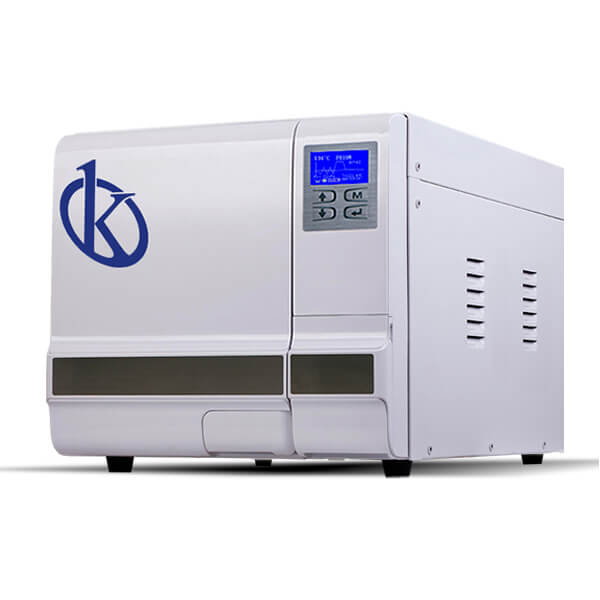
How to Ensure Predictive Maintenance and Recommended Calibration for Horizontal Autoclaves
Horizontal autoclaves are integral to many laboratory processes, offering efficient sterilization solutions across various sectors, including healthcare, veterinary services, and beauty industries. Ensuring optimal performance through predictive maintenance and regular calibration is vital for maintaining their operational efficiency and compliance with standards. This article explores the best practices in predictive maintenance and periodic calibration tailored specifically for horizontal autoclaves.
Understanding Predictive Maintenance in Horizontal Autoclaves
Predictive maintenance refers to the proactive management of autoclave performance through regular monitoring and analysis of operational parameters. This approach helps in identifying potential failures before they occur, ultimately reducing downtime and repair costs. By utilizing advanced monitoring tools and data analysis techniques, laboratory professionals can enhance both the longevity of the equipment and ensure compliance with industry standards.
Importance of Periodic Calibration for Horizontal Autoclaves
Calibration is a critical aspect of ensuring that autoclaves operate within specified parameters of temperature and pressure. Regular calibration guarantees that autoclaves meet the standards set by organizations such as ISO 17025 and EN13060, which are essential for quality control in laboratories. Calibration intervals typically depend on usage rates and manufacturer recommendations, hence regular checks are recommended to maintain accuracy and reliability.
Key Components of Predictive Maintenance for Autoclaves
To effectively implement predictive maintenance for horizontal autoclaves, focus on the following key components:
- Performance Monitoring: Regularly track operational metrics like temperature, pressure, and humidity.
- Data Analysis: Use statistical tools to analyze performance trends and predict failures.
- Routine Inspections: Schedule routine checks for wear and tear on critical components such as seals and valves.
- Training Personnel: Ensure laboratory staff are trained in operating procedures and maintenance protocols.
Recommended Calibration Intervals and Practices
Calibration of horizontal autoclaves should be performed based on a combination of manufacturer recommendations and usage frequency. For most models, including the Class B Table Autoclave YR03387 and YR03390, calibration should occur at least annually. However, a more frequent schedule might be necessary for high-usage facilities. Calibration practices should include:
- Initial Calibration: Perform a comprehensive check upon installation.
- Routine Calibration: Schedule annual checks and before critical processes.
- Post-Maintenance Calibration: Recalibrate after any significant repairs or component replacements.
Common Calibration Standards for Horizontal Autoclaves
Calibration should be in compliance with standards such as:
- ISO 17025: Ensures the accuracy and reliability of testing and calibration laboratories.
- EN 13060: Specifies the requirements for small steam sterilizers.
- ISO 13485: Focuses on quality management systems in medical devices.
Comparison of Available Models
| Model | Chamber Volume (Liters) | Power (Watts) | Best Use Scenario |
|---|---|---|---|
| YR03387 | 8 | 1750 | Small clinics or beauty salons requiring compact sterilization solutions. |
| YR03388 | 12 | 1750 | Ideal for podiatry and veterinary practices. |
| YR03389 | 18 | 1750 | Suitable for mid-sized labs needing higher throughput. |
| YR03390 | 23 | 1750 | Perfect for larger healthcare facilities. |
| YR03385C | 29 | 2300 | Best for high-capacity sterilization in veterinary clinics. |
| YR03385B | 45 | 3800 | Designed for heavy-duty use in large laboratories. |
Common Mistakes and How to Avoid Them
Managing predictive maintenance and calibration effectively requires diligence. Here are common mistakes and how to avoid them:
- Skipping Calibration: Regularly schedule calibrations to maintain compliance and performance.
- Ignoring Performance Data: Analyze data trends to anticipate failures rather than reacting to them.
- Inadequate Training: Ensure all users are adequately trained in autoclave operation and maintenance procedures.
- Delayed Repairs: Address issues promptly to prevent escalation and maintain operational integrity.
Frequently Asked Questions
What are the recommended calibration practices for Class B Table Autoclaves?
Recommended calibration practices for Class B Table Autoclaves like YR03387 include annual calibration checks, post-maintenance recalibrations, and ensuring compliance with ISO 17025 and EN 13060 standards to guarantee consistent performance.
How often should predictive maintenance be conducted on horizontal autoclaves?
Predictive maintenance for horizontal autoclaves should be conducted quarterly, focusing on performance monitoring and data analysis to identify potential issues early, thereby extending the life of the equipment like YR03390.
Which standards should horizontal autoclaves comply with for calibration?
Horizontal autoclaves should comply with standards such as ISO 17025, EN 13060, and ISO 13485 to ensure accurate calibration and reliability, specifically for models such as YR03388 and YR03389.
What factors affect the calibration schedule of an autoclave?
Calibration schedules are typically affected by usage frequency, the specific model's features (like YR03385C), and manufacturer recommendations, with more frequent use requiring more frequent calibrations.
How can predictive maintenance improve the efficiency of autoclaves?
Predictive maintenance improves the efficiency of autoclaves by utilizing data analytics to foresee potential failures and streamline maintenance activities, thus enhancing the overall performance of models such as YR03385B.
What are the signs that an autoclave needs recalibration?
Signs that an autoclave like YR03390 needs recalibration include inconsistent sterilization cycles, failure to meet temperature requirements, and irregular pressure readings, indicating the need for immediate inspection and calibration.
What is the impact of unscheduled maintenance on autoclave performance?
Unscheduled maintenance can lead to unplanned downtime and increased costs due to emergency repairs, negatively impacting the productivity of facilities using horizontal autoclaves like YR03387.
How does predictive maintenance help in regulatory compliance for laboratories?
Predictive maintenance supports regulatory compliance by ensuring that horizontal autoclaves operate within specified parameters, thus meeting standards such as ISO 17025, which are critical for labs using models like YR03388.
If you are looking for a fusion of innovation and quality, you have come to the right place. At Kalstein, we offer you the luxury of exploring our exclusive catalog of laboratory equipment. We manufacture every device to the highest standards of excellence. Our intuitive and seamless online purchasing channels are designed for your convenience, securing the most competitive prices. Hesitate no longer — we bring science to life, it is time to become part of our community.