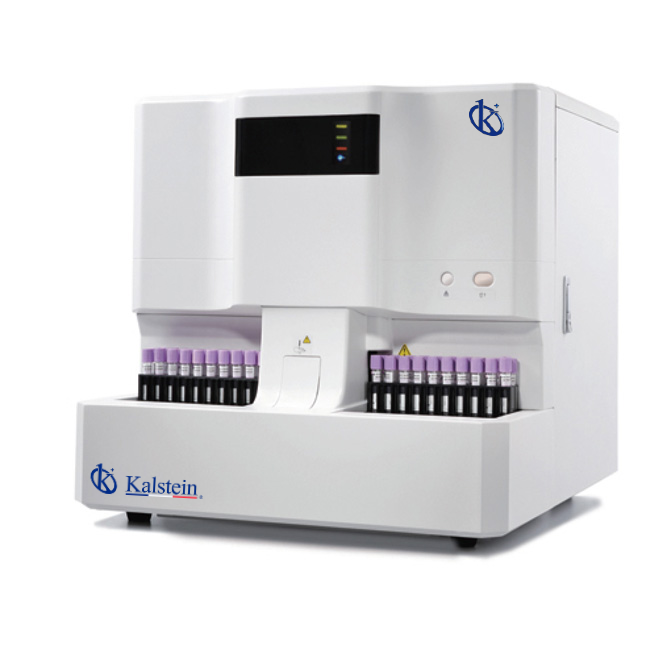
Predictive Maintenance and Recommended Calibration for Hematology Analyzers
In the fast-paced environment of medical laboratories, hematology analyzers play a crucial role in diagnosing and monitoring patient health. Their efficiency and accuracy are paramount, which is why predictive maintenance and regular calibration are essential practices. This article will delve into these crucial aspects, exploring the best practices that laboratory professionals should adopt to ensure optimal performance of hematology analyzers.
Understanding Predictive Maintenance in Hematology Analyzers
Predictive maintenance involves using data-driven insights to predict equipment failures before they occur. This proactive approach minimizes downtime and extends the lifespan of hematology analyzers. By employing predictive maintenance, laboratories can maintain continuous operations, which is critical for high-volume testing environments. This strategy relies heavily on monitoring performance indicators, analyzing trends, and assessing the operational health of devices.
Importance of Regular Calibration
Calibration is the process of configuring instruments to provide a result for a sample within an acceptable range. For hematology analyzers, regular calibration ensures that the results are accurate and reliable, adhering to standards such as ISO 15189. Calibration schedules should be determined based on usage frequency, manufacturer recommendations, and laboratory regulations. Regular calibration helps avoid discrepancies in patient results and enhances overall laboratory quality control.
Key Performance Indicators for Maintenance and Calibration
Monitoring key performance indicators (KPIs) is vital for successful predictive maintenance and calibration programs. Important KPIs include Mean Time Between Failures (MTBF), Mean Time to Repair (MTTR), and calibration intervals. Maintaining a detailed log of these metrics allows laboratories to identify patterns and schedule maintenance effectively. This data-driven approach helps in minimizing costs associated with unexpected breakdowns and incorrect test results.
Calibration Standards and Best Practices
Calibration standards are vital to ensure the accuracy of hematology analyzers. According to ISO/IEC 17025, laboratories must establish and maintain a quality management system that includes calibration protocols. Best practices involve using certified reference materials, maintaining detailed records, and following a strict schedule for routine calibrations. Each analyzer model has specific calibration requirements that must be adhered to, ensuring compliance with regulatory standards.
Comparison of Available Models
| Model | Parameters | Sample Capacity (samples/hour) | Calibration Features | Best For |
|---|---|---|---|---|
| YR06080 | 28 Parameters | 60 | Automatic and manual calibration options | High-demand environments |
| YR05123 | 60 Parameters | 60 | Automatic and manual calibration | Advanced research settings |
| YR05122-1 | 29 Parameters | 60 | Integrated calibration system | Comprehensive testing |
| YR05122 | 20 Parameters | 35 | Regular calibration maintenance | Standard laboratory use |
| YR05121 | 23 Parameters | 35 | Automated calibration function | Routine diagnostics |
| YR05120 | 20 Parameters | 35 | Scheduled calibration reminders | General analysis |
Common Mistakes and How to Avoid Them
Laboratories often face challenges when implementing predictive maintenance and calibration systems. Common mistakes include improper scheduling, lack of trained personnel, and neglecting to document maintenance activities. To avoid these pitfalls, laboratories should invest in training staff, establish clear protocols for maintenance, and utilize software to track calibration schedules. Regular audits and reviews of maintenance practices can further enhance the effectiveness of these programs.
Frequently Asked Questions
How often should hematology analyzers be calibrated for accurate results?
Hematology analyzers should typically be calibrated at least once per month, but the frequency can vary based on the model, such as the YR06080, which may require more frequent calibration in high-demand scenarios. Calibration ensures compliance with ISO 15189, ensuring accurate test results.
What are the benefits of predictive maintenance for hematology analyzers?
Predictive maintenance reduces unexpected breakdowns of hematology analyzers, like the YR05123, by using data analytics to predict failures. This minimizes downtime and extends equipment life, ensuring continuous laboratory operation and reliable test results.
What calibration standards should laboratories follow for hematology analyzers?
Laboratories should follow ISO/IEC 17025 standards for calibration of hematology analyzers, ensuring compliance and traceability. For instance, models like the YR05122-1 incorporate features that facilitate adherence to these standards.
How can laboratories improve calibration accuracy for hematology analyzers?
To improve calibration accuracy, laboratories can utilize certified reference materials and maintain detailed calibration logs. Models like the YR05122 offer automatic calibration features that simplify this process and enhance reliability in results.
What are the key performance indicators for monitoring hematology analyzers?
Key performance indicators include Mean Time Between Failures (MTBF) and Mean Time to Repair (MTTR). These metrics are essential for models like the YR05121 to optimize maintenance schedules and ensure operational efficiency.
How does predictive maintenance save costs in laboratory operations?
Predictive maintenance saves costs by preventing unexpected failures of hematology analyzers, which can lead to costly repairs and downtime. Utilizing models such as YR05120, laboratories can enhance their operational efficiency and reduce overall expenses.
What factors influence the calibration frequency of hematology analyzers?
The calibration frequency of hematology analyzers is influenced by usage patterns, manufacturer recommendations, and the specific model features. For example, the YR06080 may require calibration more frequently in high-volume labs to maintain accuracy and reliability.
How can laboratories ensure compliance with calibration protocols?
Laboratories can ensure compliance with calibration protocols by implementing strict documentation practices and regular training sessions for staff. Using automated systems within models like the YR05123 can also help maintain adherence to protocols efficiently.
If you are looking for a fusion of innovation and quality, you have come to the right place. At Kalstein, we offer you the luxury of exploring our exclusive catalog of laboratory equipment. We manufacture every device to the highest standards of excellence. Our intuitive and seamless online purchasing channels are designed for your convenience, securing the most competitive prices. Hesitate no longer — we bring science to life, it is time to become part of our community.