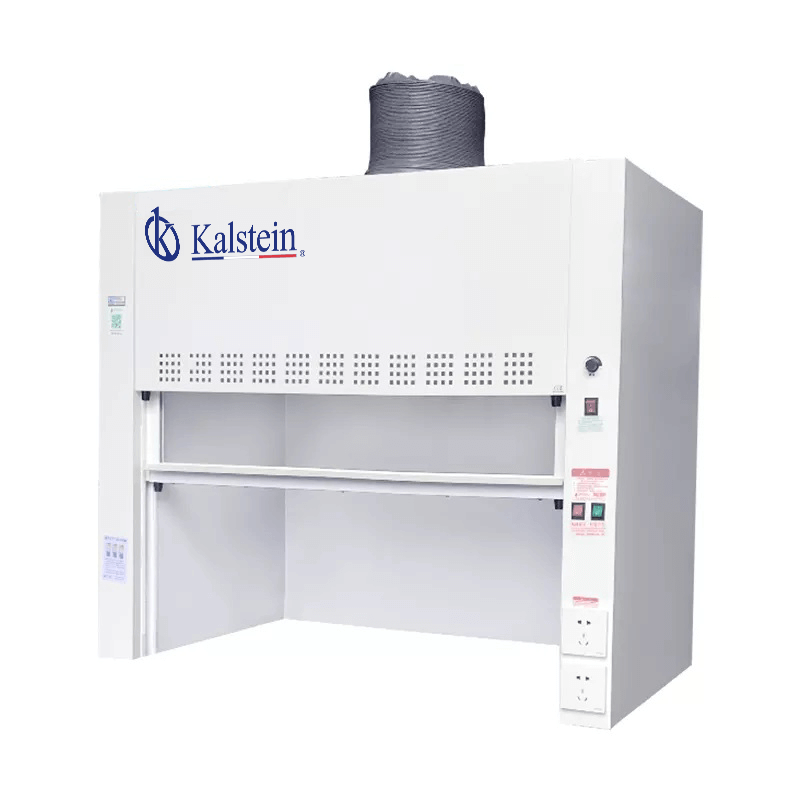
How to Ensure Predictive Maintenance and Recommended Calibration for Fume Hood Cabinets
In laboratory settings, fume hood cabinets are essential for maintaining a safe environment by extracting harmful fumes and vapors. However, these systems require regular predictive maintenance and calibration to ensure they function effectively and comply with safety standards. This article delves into the significance of predictive maintenance and calibration for fume hood cabinets, using specific models to illustrate best practices and techniques.
Understanding Predictive Maintenance for Fume Hood Cabinets
Predictive maintenance involves monitoring the performance of fume hoods to anticipate failures before they occur. This strategy is crucial in laboratories where the safety of personnel and compliance with regulatory standards are paramount. By implementing predictive maintenance, laboratories can reduce downtime, enhance operational efficiency, and ensure the longevity of equipment.
Importance of Calibration in Fume Hood Operations
Regular calibration ensures that fume hoods operate within their specified parameters. Calibration should be performed according to regulatory guidelines, which typically require periodic checks of airflow velocity and containment effectiveness. For instance, calibrating the airflow of a fume hood cabinet can significantly impact the safety and effectiveness of chemical handling within the laboratory.
Key Calibration Standards for Fume Hood Cabinets
Calibration should align with established standards such as ANSI/AIHA Z9.5, which specifies performance criteria for laboratory ventilation. Following these standards not only ensures compliance but also enhances the safety and efficiency of laboratory operations. Regular checks should focus on aspects such as sash height adjustment and airflow velocity, which can dramatically affect user safety.
Common Predictive Maintenance Techniques
To implement predictive maintenance effectively, laboratories can employ various techniques such as vibration analysis, thermal imaging, and airflow monitoring. These approaches help detect issues like motor malfunctions or airflow obstructions, allowing for timely interventions that prevent catastrophic failures.
Recommended Calibration Practices for Fume Hood Cabinets
Laboratories should establish a calibration schedule based on the frequency of use and the types of chemicals handled. A robust calibration plan might include monthly checks for airflow velocity and annual comprehensive assessments. Documenting these calibrations is essential for compliance with safety regulations and may require maintaining detailed logs that demonstrate adherence to standards.
Benefits of Implementing Predictive Maintenance and Calibration
The implementation of predictive maintenance and regular calibration practices provides several advantages, including improved safety, compliance with industry standards, and cost-effectiveness. For example, a well-calibrated fume hood, such as the YR05809, can operate within the optimal airflow range, reducing the likelihood of exposure to harmful chemicals.
Comparison of Available Models
| Model | External Dimensions (mm) | Internal Dimensions (mm) | Price (USD) | Best For |
|---|---|---|---|---|
| YR05808 | 650 x 650 x 1000 | 450 x 600 x 750 | 390.00 | Small laboratories |
| YR05809 | 800 x 650 x 1000 | 600 x 600 x 750 | 420.00 | General laboratory use |
| YR05810 | 1000 x 650 x 1000 | 800 x 600 x 750 | 470.00 | Medium laboratories |
| YR05811 | 1000 x 650 x 1000 | 1000 x 600 x 750 | 508.00 | High-capacity use |
| YR05812 | 1500 x 650 x 1000 | 1300 x 600 x 750 | 526.00 | Large laboratories |
| YR05813 | 800 x 650 x 1900 | 600 x 600 x 750 | 610.00 | Research facilities |
Common Mistakes and How to Avoid Them
Laboratories often make mistakes when it comes to maintenance and calibration of fume hood cabinets, such as neglecting routine checks or failing to document calibration data. To avoid these pitfalls, establish a strict schedule for maintenance and ensure all personnel are trained in these protocols. Regular audits can also help identify areas for improvement and ensure compliance with safety regulations.
Frequently Asked Questions
What are the best practices for predictive maintenance of fume hood cabinets?
Best practices for predictive maintenance include regular airflow monitoring and implementing techniques like vibration analysis. For instance, using models like the YR05810 allows for effective performance tracking, ensuring optimal safety and efficiency in laboratory operations.
How often should calibration be performed on fume hood cabinets?
Calibration of fume hood cabinets should ideally be performed at least annually, or more frequently based on usage. Models like the YR05812 require routine checks to maintain compliance with standards such as ANSI/AIHA Z9.5, enhancing laboratory safety.
What are the consequences of not calibrating fume hood cabinets?
Failing to calibrate fume hood cabinets can lead to inadequate airflow and increased exposure to hazardous fumes. For example, neglecting calibration in the YR05809 could endanger lab personnel and result in non-compliance with safety regulations.
What specific standards should fume hood cabinets comply with?
Fume hood cabinets should comply with ANSI/AIHA Z9.5 and other relevant standards, ensuring they perform effectively. The YR05811 model is designed to meet such standards, providing reliable safety and performance in laboratory environments.
How can I monitor the performance of a fume hood cabinet?
Performance monitoring can be achieved through regular checks of airflow velocity and containment effectiveness. Utilizing the YR05808, laboratories can implement a regimen that includes these key factors to enhance safety and operational efficiency.
What features make a fume hood cabinet suitable for predictive maintenance?
Key features include built-in airflow monitors and easy access to components for maintenance. The YR05813 offers such features, making it a suitable choice for laboratories aiming to implement effective predictive maintenance strategies.
How do I document calibrations for fume hood cabinets?
Calibration documentation should include the date, results, and responsible personnel. For instance, documenting calibrations on the YR05812 ensures compliance and accountability within the laboratory setting.
Why is regular maintenance critical for fume hood safety?
Regular maintenance is vital to ensure fume hoods operate within safe parameters, which protects laboratory personnel from exposure to harmful substances. Models like the YR05810 are designed to support such maintenance protocols effectively.
If you are looking for a fusion of innovation and quality, you have come to the right place. At Kalstein, we offer you the luxury of exploring our exclusive catalog of laboratory equipment. We manufacture every device to the highest standards of excellence. Our intuitive and seamless online purchasing channels are designed for your convenience, securing the most competitive prices. Hesitate no longer — we bring science to life, it is time to become part of our community.