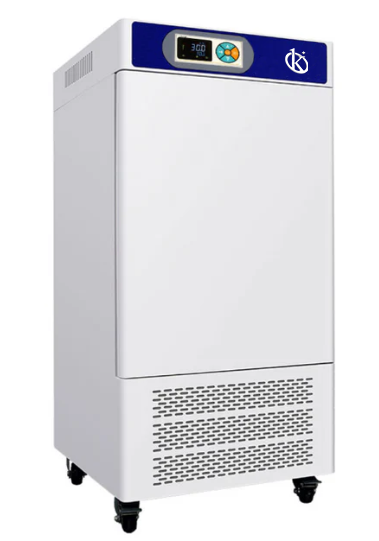
How to Implement Predictive Maintenance and Recommended Calibration for Constant Temperature and Humidity Incubators
In laboratory environments, ensuring optimal performance and reliability of equipment is crucial. This article focuses on predictive maintenance and the importance of regular calibration for constant temperature and humidity incubators. By understanding the maintenance needs and calibration standards, professionals can enhance the longevity and accuracy of their incubators, ultimately leading to better experimental outcomes.
Understanding Predictive Maintenance in Incubators
Predictive maintenance refers to techniques used to determine the condition of in-service equipment to estimate when maintenance should be performed. This approach aims to prevent failures and prolong the lifespan of laboratory equipment like constant temperature and humidity incubators.
For instance, using incubators such as the YR02053, YR02054, and YR02055, laboratories can implement predictive maintenance by monitoring specific parameters like temperature and humidity stability, as well as incorporating sensor technologies that provide real-time data. By doing so, technicians can schedule maintenance activities before failures occur, thus avoiding downtime and ensuring experiments run smoothly.
The Importance of Regular Calibration
Calibration is essential for ensuring the accuracy and reliability of constant temperature and humidity incubators. Regular calibration helps to validate the performance of incubators against recognized standards, ensuring that the conditions inside the unit are suitable for various applications such as environmental protection, medicine, and aquaculture.
Each incubator model, including YR02053, YR02054, and YR02055, should follow a calibration schedule based on their specific operational needs and the criticality of their applications. For example, calibration may involve checking temperature ranges between 0 to 60 degrees Celsius with a precision of ±0.1 degrees, which is standard across all models.
Comparison of Available Models
| Model | Temperature Range (°C) | Precision (°C) | Net Weight (kg) | Price (USD) |
|---|---|---|---|---|
| YR02053 | 0 ~ 60 | ± 0.1 | 93 | 1010.00 |
| YR02054 | 0 ~ 60 | ± 0.1 | 105 | 1140.00 |
| YR02055 | 0 ~ 60 | ± 0.1 | 133 | 1430.00 |
Key Features Supporting Predictive Maintenance
The integration of advanced technologies in constant temperature and humidity incubators enhances predictive maintenance efforts. Features such as automatic defrosting, stainless steel interiors, and built-in lighting devices promote better operational conditions.
Moreover, the dual-door design and magnetic door seals found in these incubators help maintain stable environment conditions while reducing energy fluctuations. This stability reduces wear on components, allowing maintenance schedules to be optimized based on data-driven insights.
Calibration Interval Guidelines
Determining the appropriate calibration intervals for constant temperature and humidity incubators is critical. Laboratories should establish a calibration schedule based on the frequency of use, environmental conditions, and required precision.
| Model | Recommended Calibration Interval | Calibration Methods |
|---|---|---|
| YR02053 | Every 6 months | Thermocouple validation |
| YR02054 | Every 6 months | Thermocouple validation |
| YR02055 | Every 6 months | Thermocouple validation |
Common Mistakes and How to Avoid Them
One common mistake in maintaining incubators is neglecting the calibration schedule. Laboratories often overlook the importance of regular checks, leading to unreliable results. To avoid this, establish a clear calibration log and reminder system.
Another mistake is failing to conduct predictive maintenance assessments. Incorporating a regular review of equipment condition and performance data can help identify potential issues before they escalate. Utilizing the built-in monitoring features of models like YR02053 can assist in this process.
Frequently Asked Questions
How does predictive maintenance enhance the reliability of constant temperature and humidity incubators?
Predictive maintenance improves the reliability of incubators, such as the YR02054, by allowing laboratory technicians to monitor performance regularly and anticipate potential failures. This proactive approach reduces downtime, ensuring consistent operational conditions crucial for experiments.
What is the recommended calibration interval for incubators in laboratory settings?
For constant temperature and humidity incubators like YR02055, a calibration interval of every six months is typically recommended. This regular calibration ensures that the incubator maintains its precision of ±0.1°C, which is critical for sensitive applications.
How can I ensure compliance with calibration standards for incubators?
To ensure compliance with calibration standards, laboratories should follow established protocols and maintain thorough documentation. Using incubators like YR02053, which include advanced features, can aid in meeting compliance by providing precise environmental control.
What are the key features to look for in constant temperature and humidity incubators?
Key features to look for include temperature stability, precision, and built-in monitoring systems. Models such as YR02054 offer dual-door designs and automatic defrosting, which enhance performance and reliability in laboratory applications.
How can I integrate predictive maintenance into my lab procedures?
Integrating predictive maintenance involves setting up monitoring systems to track performance metrics, conducting regular assessments, and utilizing data analytics. By leveraging features from incubators like the YR02055, labs can effectively implement predictive maintenance strategies.
What are the risks of not calibrating constant temperature and humidity incubators?
Neglecting calibration can lead to inaccurate temperature and humidity readings, resulting in compromised experimental results. For example, constant temperature and humidity incubators like YR02053 must maintain strict conditions to ensure reliability in critical applications.
What type of data should I collect for predictive maintenance in incubators?
Data to collect includes temperature variations, humidity levels, and equipment performance metrics. Monitoring these parameters in models like YR02054 helps predict potential issues and schedule necessary maintenance activities effectively.
How can I optimize calibration processes for my incubators?
To optimize calibration processes, establish a consistent schedule, utilize automated calibration tools, and maintain detailed records. Regular calibration of models such as YR02055 ensures that performance standards are met, contributing to overall lab efficiency.
If you are looking for a fusion of innovation and quality, you have come to the right place. At Kalstein, we offer you the luxury of exploring our exclusive catalog of laboratory equipment. We manufacture every device to the highest standards of excellence. Our intuitive and seamless online purchasing channels are designed for your convenience, securing the most competitive prices. Hesitate no longer — we bring science to life, it is time to become part of our community.