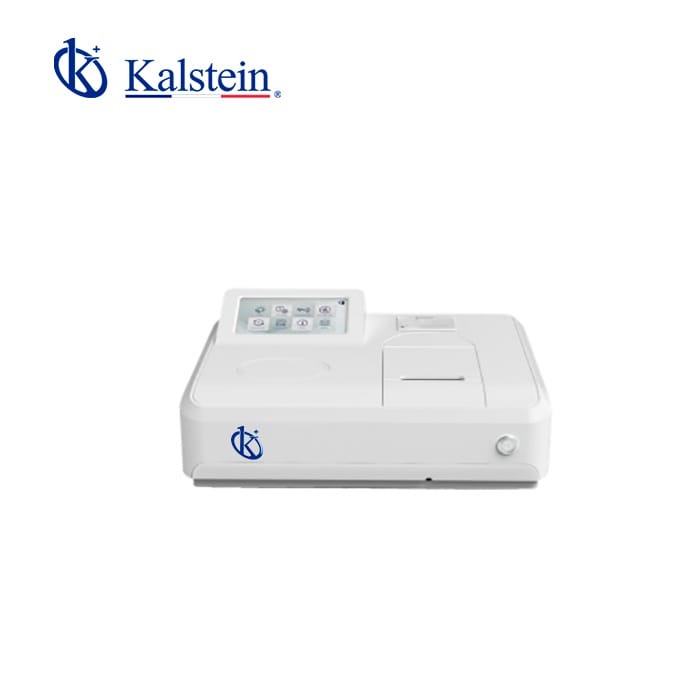
Predictive Maintenance and Recommended Calibration for COD/BOD Analyzers
The increasing demands for accuracy and reliability in laboratory testing have highlighted the importance of predictive maintenance and regular calibration for COD/BOD analyzers. These instruments are critical for assessing water quality and ensuring compliance with environmental regulations. In this article, we will delve into the best practices for maintaining these analyzers, focusing on how predictive maintenance strategies can enhance operational efficiency and accuracy.
Understanding Predictive Maintenance in Laboratory Analyzers
Predictive maintenance refers to the practice of using data and analytics to predict when equipment failure might occur, allowing for timely maintenance to prevent unplanned downtime. For COD/BOD analyzers, this involves continuous monitoring of instrument performance and condition. By leveraging technologies such as IoT sensors and predictive algorithms, laboratory professionals can assess the health of their analyzers and perform maintenance based on actual usage rather than fixed schedules.
Importance of Regular Calibration
Calibration is crucial for ensuring the accuracy of measurements taken by COD/BOD analyzers. Regular calibration helps to maintain compliance with regulatory standards and reduces the risk of erroneous results. For instance, ISO/IEC 17025 emphasizes the need for laboratories to have a calibration plan in place, which is critical for maintaining measurement integrity.
Recommended Calibration Intervals
Calibration intervals can vary based on usage frequency, the specific model of the analyzer, and the regulatory requirements in place. It is generally recommended to calibrate COD/BOD analyzers at least once every six months or before critical testing. The following table outlines suggested calibration intervals for various models:
| Model | Recommended Calibration Interval |
|---|---|
| YR06295 | Every 6 months |
| YR06296 | Every 6 months |
| YR06297 | Every 3 months |
| YR06298 | Every 12 months |
Failure Modes and Mitigation Strategies
Understanding potential failure modes in COD/BOD analyzers is essential for implementing effective predictive maintenance strategies. Common failure modes include sensor drift, light source degradation, and fluid path contamination. By monitoring key performance indicators (KPIs) like Mean Time Between Failures (MTBF) and Mean Time to Repair (MTTR), laboratories can identify trends that indicate when maintenance is required.
Common Calibration Techniques
There are several common calibration techniques used for COD/BOD analyzers. These include:
- Standard Curve Calibration: Utilizing known standards to create a calibration curve for accurate readings.
- Multi-Point Calibration: Establishing multiple calibration points across the measurement range to enhance accuracy.
- Zero Calibration: Adjusting the analyzer to ensure it reads zero when no sample is present.
Comparison of Available Models
| Model | Recommended Calibration Interval | Best for | Price (USD) |
|---|---|---|---|
| YR06295 | Every 6 months | High-throughput testing | 600.00 |
| YR06296 | Every 6 months | Field testing | 300.00 |
| YR06297 | Every 3 months | Real-time analysis | 1650.00 |
| YR06298 | Every 12 months | Laboratory digestion processes | 300.00 |
Common Mistakes and How to Avoid Them
Laboratories often encounter pitfalls when it comes to maintenance and calibration of COD/BOD analyzers. Common mistakes include:
- Neglecting to document calibration results, which can lead to compliance issues.
- Overlooking environmental factors that can affect instrument performance, such as temperature and humidity levels.
- Failing to train personnel on proper maintenance procedures.
To avoid these issues, laboratories should implement a comprehensive training program and establish strict documentation practices.
Frequently Asked Questions
How often should I calibrate my COD analyzer for optimal performance?
Calibration of your COD analyzer, such as the YR06295, should be performed every six months to ensure accurate results and compliance with standards. Regular calibration helps maintain the integrity of your water quality assessments.
What proactive measures can I take to minimize analyzer downtime?
Implementing a predictive maintenance strategy is key. By monitoring performance metrics for models like the YR06296, you can anticipate issues before they arise, thus minimizing downtime and maintaining efficient operations.
What calibration methods are recommended for BOD analyzers?
For BOD analyzers such as the YR06297, multi-point calibration and standard curve calibration methods are highly recommended for achieving optimal accuracy in measurements and maintaining compliance with water quality standards.
What is the impact of environmental conditions on analyzer performance?
Environmental factors can significantly affect the performance of COD/BOD analyzers. For example, humidity and temperature fluctuations can alter measurements, necessitating regular calibration and monitoring strategies to ensure accuracy.
What are the risks of neglecting regular calibration for laboratory analyzers?
Neglecting regular calibration can lead to inaccurate measurements, potentially resulting in non-compliance with environmental regulations. For models like the YR06295, regular calibration is essential for maintaining measurement integrity and avoiding costly penalties.
How can I document maintenance practices for my COD/BOD analyzer?
Documenting maintenance practices involves keeping detailed records of calibration dates, results, and any corrective actions taken. This documentation is crucial for models like YR06297 to ensure compliance with ISO/IEC 17025 standards.
What is the role of predictive maintenance in ensuring analyzer reliability?
Predictive maintenance plays a vital role in ensuring the reliability of analyzers like the YR06296 by allowing laboratories to identify potential failures before they occur, thus preventing unplanned downtime and maintaining testing accuracy.
How can I integrate calibration data into our lab's quality management system?
Incorporating calibration data into your quality management system can enhance traceability and compliance. Using digital tools to log calibration results for models like YR06298 will streamline access to maintenance records and improve overall lab efficiency.
If you are looking for a fusion of innovation and quality, you have come to the right place. At Kalstein, we offer you the luxury of exploring our exclusive catalog of laboratory equipment. We manufacture every device to the highest standards of excellence. Our intuitive and seamless online purchasing channels are designed for your convenience, securing the most competitive prices. Hesitate no longer — we bring science to life, it is time to become part of our community.