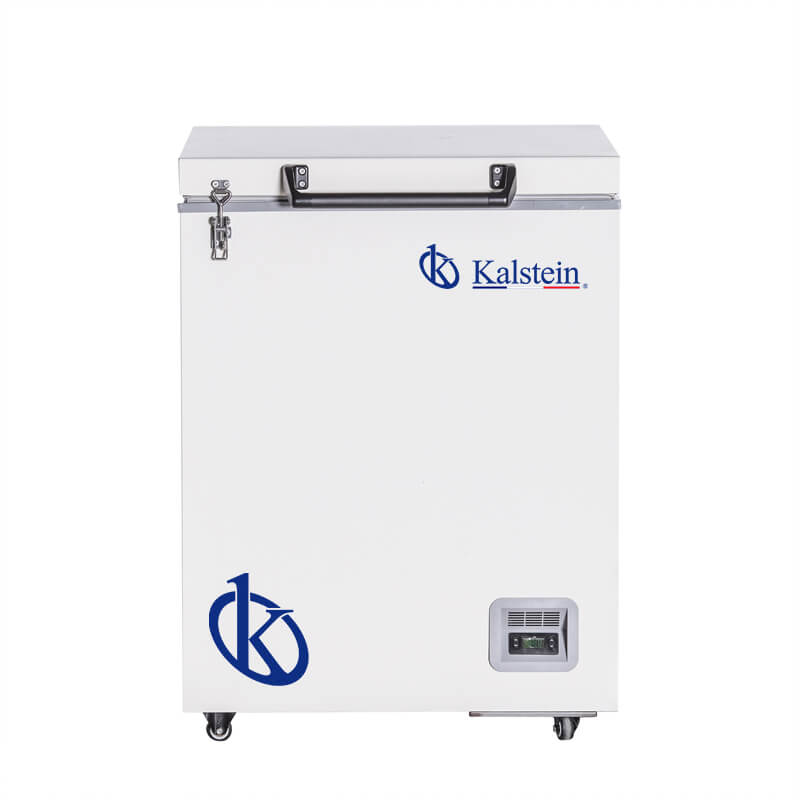
Understanding Predictive Maintenance and Calibration for Chest Freezers
In laboratory environments where precise temperature control is crucial, chest freezers are indispensable for storing sensitive samples. Predictive maintenance and periodic calibration are vital to ensure that these units operate efficiently and reliably. This article delves into the importance of routine maintenance, calibration schedules, and how specific models can fulfill these needs.
Importance of Predictive Maintenance in Chest Freezers
Predictive maintenance (PdM) refers to the practices that anticipate potential failures in equipment before they occur, thereby reducing downtime and ensuring continuous operation. For chest freezers, predictive maintenance focuses on monitoring the performance of the cooling system, identifying signs of wear or failure, and making timely interventions. This is particularly important in healthcare or research laboratories, where temperature fluctuations can lead to sample degradation.
Key Benefits of Predictive Maintenance
1. **Minimized Downtime**: By predicting failures, labs can perform maintenance during non-peak hours, preventing disruptions. 2. **Cost Efficiency**: Regular monitoring reduces emergency repair costs. 3. **Increased Lifespan**: Well-maintained equipment lasts longer, maximizing investment.
Calibration of Chest Freezers: Best Practices
Calibration ensures that the temperature readings displayed by the chest freezer accurately match the actual temperature inside the unit. This is crucial for maintaining the integrity of stored materials. Calibration should be performed regularly, ideally every six months, with more frequent checks in high-use settings or when the unit experiences temperature excursions.
Calibration Process Overview
The calibration process typically involves: 1. **Setting Reference Points**: Using calibrated thermometers to verify the set point against the actual temperature. 2. **Adjusting Controls**: Modifying the temperature control settings based on the readings. 3. **Documentation**: Keeping records of the calibration process for compliance and quality assurance.
Comparison of Available Models
| Model | Temperature Range (°C) | Power Consumption (kWh/24h) | Best For |
|---|---|---|---|
| YR05102 | -10 to -40 | 1.65 | General laboratory use |
| YR05103 | -10 to -40 | 1.68 | Extended laboratory research |
| YR05104 | -20 to -40 | 3.45 | Cryogenic applications |
| YR05314 | -40 to -86 | 11.5 | Biomedical research |
| YR05313 | -40 to -86 | 3.8 | Small lab environments |
| YR05315 | -25 to -60 | 3.2 | Vaccine and biological sample storage |
Common Mistakes and How to Avoid Them
One common issue in the maintenance of chest freezers is neglecting regular calibration checks. This oversight can lead to improper temperature settings, risking the integrity of stored samples. Another frequent mistake is failing to document maintenance activities, which is critical for compliance with quality standards. To avoid these pitfalls, labs should create a comprehensive maintenance schedule and adhere strictly to it.
Frequency of Calibration: Guidelines and Recommendations
The frequency of calibration should be based on several factors: the type of samples stored, laboratory regulations, and the specific model in use. For models like YR05314, which operate at extremely low temperatures, calibration should be performed every three months. For standard models like YR05102, a six-month interval may suffice.
Understanding Model Features That Aid Maintenance
Different models offer various features that facilitate predictive maintenance and calibration. For instance, the YR05103 includes multiple alarms for temperature fluctuations, making it easier to identify issues early. The YR05314 features a sophisticated digital monitoring system that records temperature data, aiding in compliance and quality control.
Technological Innovations in Chest Freezers
Recent advancements in chest freezer technology have significantly improved reliability and maintenance. Features such as IoT connectivity allow real-time monitoring of temperature and humidity levels. Models like YR05315 provide alerts for abnormal conditions, enabling proactive maintenance actions.
Frequently Asked Questions
What are the key benefits of predictive maintenance for chest freezers?
Predictive maintenance for chest freezers, such as the YR05102, minimizes downtime and maintenance costs while extending the equipment's lifespan. Implementing monitoring systems ensures timely interventions based on performance data.
How frequently should chest freezers be calibrated in a laboratory setting?
Chest freezers should ideally be calibrated every six months. For high-performance models like the YR05314, consider quarterly calibration to maintain compliance with strict laboratory standards.
What features should I look for in a chest freezer for laboratory use?
When selecting a chest freezer for laboratory use, consider models with advanced monitoring systems, like the YR05314, which offer digital displays and alarm systems for temperature fluctuations. These features enhance reliability and ease of maintenance.
How can I ensure compliance with laboratory standards for freezer maintenance?
To ensure compliance, laboratories should establish and document a strict maintenance schedule, including calibration intervals for their chest freezers like YR05103. Keeping detailed records will help meet regulatory standards.
What is the impact of temperature fluctuations on stored samples in chest freezers?
Temperature fluctuations can compromise the integrity of biological samples. Models such as YR05315 feature sophisticated alarm systems that help detect these fluctuations early, reducing the risk of sample degradation.
How much energy do chest freezers consume on average?
Energy consumption varies by model; for instance, the YR05104 uses 3.45 kWh/24h, while the ultra-low temperature YR05314 consumes around 11.5 kWh/24h. Understanding energy usage is vital for operational budgeting and sustainability.
What maintenance practices can extend the lifespan of chest freezers?
Regular cleaning, prompt addressing of alarms, and adherence to calibration schedules can significantly extend the lifespan of chest freezers. Implementing these practices with models like YR05102 ensures optimal performance over time.
How can I integrate smart technology into my laboratory’s chest freezer system?
Integrating smart technology involves selecting models that offer IoT capabilities, like the YR05314. These technologies enable real-time monitoring and alerts, enhancing predictive maintenance and operational efficiency.
If you are looking for a fusion of innovation and quality, you have come to the right place. At Kalstein, we offer you the luxury of exploring our exclusive catalog of laboratory equipment. We manufacture every device to the highest standards of excellence. Our intuitive and seamless online purchasing channels are designed for your convenience, securing the most competitive prices. Hesitate no longer — we bring science to life, it is time to become part of our community.