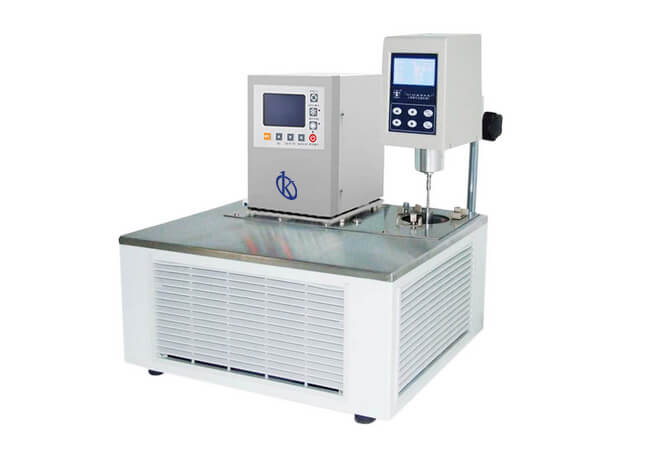
How to Implement Predictive Maintenance and Recommended Calibration for Bath Circulators
In laboratory environments where precision and reliability are paramount, Bath Circulators play a critical role in maintaining temperature consistency for various applications. Implementing predictive maintenance strategies alongside recommended calibration practices is essential for optimizing performance and ensuring compliance with industry standards. This article delves into the intricacies of predictive maintenance and calibration for Bath Circulators, discussing best practices and specific model considerations.
Understanding Predictive Maintenance in Bath Circulators
Predictive maintenance refers to the strategy of performing maintenance only when necessary, based on the condition of the equipment. It leverages data and analytics to foresee potential failures before they occur, thus preventing downtime and costly repairs. For Bath Circulators, implementing predictive maintenance can be crucial, as these devices are often used in critical laboratory processes that require precise temperature control.
The key components of a predictive maintenance strategy for Bath Circulators include monitoring temperature stability, checking fluid levels, and assessing the performance of the circulating pump. Regularly scheduled inspections and the use of condition monitoring technologies can help identify wear and tear on components, allowing for timely interventions.
Recommended Calibration Practices for Bath Circulators
Calibration is vital for ensuring that Bath Circulators deliver accurate temperature readings and maintain consistent conditions. Calibration should follow established protocols, typically aligned with ISO 17025 standards, to enhance reliability and traceability in measurements. Calibration intervals are usually dictated by the manufacturer’s recommendations, operational frequency, and the specific application requirements.
For effective calibration, Bath Circulators should be verified against a certified reference thermometer, ensuring that the readings are within acceptable limits. Keeping a detailed calibration record is essential for compliance documentation and aids in maintaining the integrity of laboratory operations.
Choosing the Right Bath Circulator Models for Predictive Maintenance
When selecting Bath Circulators, it is essential to consider how each model aligns with predictive maintenance strategies and calibration needs. Below, we highlight some key models available in the market:
- YR04985: Ideal for applications requiring high precision, the YR04985 features a PID temperature control system and a range of -5 to 99.9°C. Its high-quality compressor ensures rapid cooling and low noise levels, making it suitable for long-term laboratory use.
- YR04999: With a temperature range of -30 to 100°C, the YR04999 offers advanced features like a low water level alarm and an efficient cooling system. This model is particularly beneficial for temperature-sensitive experiments and processes.
- YR04996: This model offers a broad temperature range of -5 to 100°C, making it versatile for various laboratory applications. It is engineered for enhanced flow rates, which is crucial for maintaining consistent temperatures in larger volumes.
- YR04988: Known for its temperature stability and PID control, the YR04988 is effective for experiments in the life sciences field. The stainless steel tank ensures durability and resistance to corrosion.
- YR04989: This model is designed for laboratory settings that require a -30 to 100°C temperature range. It is particularly suitable for chemical synthesis and electronic component testing.
- YR04986: With a maximum temperature of 100°C and excellent temperature stability, the YR04986 is ideal for diverse applications in research and institutional laboratories.
Comparison of Available Models
| Model | Temperature Range (°C) | Price (USD) | Best For |
|---|---|---|---|
| YR04985 | -5 to 99.9 | 583.00 | High precision applications |
| YR04999 | -30 to 100 | 1367.00 | Temperature-sensitive experiments |
| YR04996 | -5 to 100 | 867.00 | Versatile laboratory applications |
| YR04988 | -20 to 100 | 617.00 | Life sciences experiments |
| YR04989 | -30 to 100 | 717.00 | Chemical synthesis |
| YR04986 | -5 to 100 | 500.00 | Research and academic settings |
Common Mistakes and How to Avoid Them
When implementing predictive maintenance and calibration for Bath Circulators, several common mistakes can occur. One frequent error is neglecting to document maintenance activities and calibration results. Keeping accurate records is essential for compliance and operational integrity.
Another common mistake is failing to establish a regular maintenance schedule. It's crucial to perform routine checks and calibrations according to manufacturer recommendations and laboratory standards. Being proactive rather than reactive can significantly enhance equipment lifespan and performance.
Frequently Asked Questions
How can predictive maintenance optimize the use of Bath Circulators in labs?
Predictive maintenance helps optimize the use of Bath Circulators, like the YR04985, by preventing unexpected failures through real-time monitoring of temperature stability and equipment condition. This proactive approach minimizes downtime and ensures consistent performance, which is critical for laboratory applications.
What are the recommended calibration intervals for Bath Circulators?
Recommended calibration intervals for Bath Circulators, such as the YR04999, typically vary based on usage frequency and manufacturer guidelines. It is generally advisable to calibrate every 6 to 12 months or before critical experiments to ensure accurate results.
Which model of Bath Circulator is best for electronic component testing?
The YR04989 Bath Circulator, with a temperature range of -30 to 100°C, is ideal for electronic component testing due to its high stability and precise temperature control, essential for reliable test results.
What role does PID control play in Bath Circulator performance?
PID control in Bath Circulators, such as the YR04996, enhances performance by ensuring precise temperature regulation. This control method reduces fluctuations, which is vital for maintaining the conditions needed in sensitive laboratory experiments.
How does calibration ensure compliance with ISO 17025 for Bath Circulators?
Calibration ensures compliance with ISO 17025 by providing traceable measurements and documentation, which are critical for quality assurance in laboratories. Models like the YR04988 help maintain accurate readings, essential for meeting these rigorous standards.
What is the significance of keeping maintenance records for Bath Circulators?
Maintaining accurate records for Bath Circulators, such as the YR04985, is significant for compliance with regulatory standards and for tracking equipment performance over time. This documentation supports audits and helps identify trends or issues early.
Which Bath Circulator model offers the best value for high precision applications?
The YR04985 model offers excellent value for high precision applications due to its reliable performance and competitive pricing at $583.00, making it suitable for laboratories demanding high accuracy.
How can laboratories implement a successful predictive maintenance program for Bath Circulators?
Laboratories can implement a successful predictive maintenance program for Bath Circulators by establishing monitoring protocols, scheduling regular inspections, and using analytics to identify potential issues, thereby enhancing reliability and performance.
If you are looking for a fusion of innovation and quality, you have come to the right place. At Kalstein, we offer you the luxury of exploring our exclusive catalog of laboratory equipment. We manufacture every device to the highest standards of excellence. Our intuitive and seamless online purchasing channels are designed for your convenience, securing the most competitive prices. Hesitate no longer — we bring science to life, it is time to become part of our community.