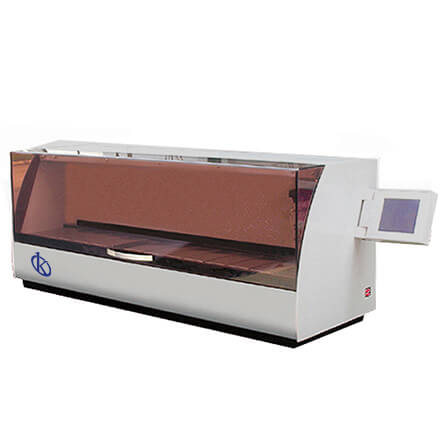
How to Ensure Effective Predictive Maintenance and Recommended Calibration for Automatic Slide Stainers
Automatic slide stainers are essential in pathological anatomy for ensuring consistent staining results vital for diagnostic accuracy. However, their performance relies heavily on routine maintenance and calibration. This article delves into the importance of predictive maintenance and periodic calibration recommended for automatic slide stainers, particularly models such as YR435, YR435-1, and YR436-1.
Understanding Predictive Maintenance in Automatic Slide Stainers
Predictive maintenance refers to the proactive approach of maintaining laboratory equipment based on their current condition, rather than on a fixed schedule. This method helps in identifying potential failures before they occur, thereby minimizing downtime and operational costs. For automatic slide stainers, predictive maintenance can be achieved by monitoring parameters such as staining cycles, reagent consumption, and mechanical performance.
The YR435 model exemplifies this concept with its smart water input and output flow system, which ensures that the cleaning water used at each step is efficient. This not only enhances the staining process but also reduces the risk of cross-contamination, leading to more reliable results.
Recommended Calibration Intervals for Automatic Slide Stainers
Calibration is essential to ensure that automatic slide stainers function within specified parameters. For optimal performance, calibration should be conducted regularly, ideally every 6 to 12 months, and whenever significant maintenance or repairs are performed. Calibration involves checking and adjusting equipment against a standard to ensure accuracy.
The YR436-1 model has an adjustable treatment time for its tanks, which can be set between 0 to 59 minutes, and temperature control with an accuracy of ±1%. Regularly calibrating these features ensures that the staining process remains reliable and reproducible.
Best Practices for Predictive Maintenance
To effectively implement predictive maintenance for automatic slide stainers, laboratories should establish a systematic approach that includes:
- Regular Performance Monitoring: Track the performance of each model, including staining efficiency and mechanical wear.
- Software Updates: Ensure that the software controlling the stainers, like the intuitive interface found in the YR435-1 model, is kept up to date.
- Training Staff: Provide training for laboratory personnel on the importance and execution of maintenance procedures.
Importance of Documentation in Maintenance and Calibration
Documentation is crucial in maintaining compliance with laboratory standards such as ISO 17025. Accurate records of maintenance and calibration activities not only demonstrate adherence to quality management systems but also facilitate continuous improvement. The documentation should include dates of service, standards used for calibration, and performance metrics.
For instance, when using the YR435 model with its 14 processing cups, documenting the calibration results can help in tracking the performance over time, fostering a culture of quality assurance within the laboratory.
Comparison of Available Models
| Model | Processing Capacity | Calibration Features | Best for |
|---|---|---|---|
| YR435 | 72 slides simultaneously | Adjustable treatment time | High efficiency and hygiene |
| YR435-1 | 400 slides per hour | Multiple staining programs | High-throughput labs |
| YR436-1 | 15 tanks with adjustable times | Temperature control accuracy ±1% | Compact space requirements |
Common Mistakes and How to Avoid Them
When it comes to maintaining and calibrating automatic slide stainers, laboratories often encounter several pitfalls. Here are common mistakes and tips to avoid them:
- Neglecting Routine Maintenance: Schedule regular maintenance checks to prevent unexpected breakdowns.
- Ignoring Calibration Standards: Always ensure that calibration follows established standards relevant to the specific model.
- Inadequate Staff Training: Provide comprehensive training to all users on the operation and maintenance of the equipment.
Frequently Asked Questions
How does predictive maintenance improve the functionality of automatic slide stainers?
Predictive maintenance, such as that implemented on models like the YR436-1, enhances functionality by identifying potential failures early, thereby ensuring uninterrupted operation and consistent staining results.
What is the optimal calibration frequency for automatic slide stainers like the YR435?
For models like the YR435, calibration is recommended every 6 to 12 months, ensuring that the machine operates at peak accuracy and reliability.
Which maintenance practices should be prioritized for the YR435-1 model?
Prioritize regular monitoring of staining cycles and reagent consumption for the YR435-1, ensuring that performance is tracked and maintained effectively for consistent results.
How can laboratories document maintenance and calibration for compliance?
Laboratories should maintain detailed logs of maintenance and calibration activities for models like YR436-1, documenting dates, standards used, and performance metrics to ensure compliance with ISO 17025.
What are the benefits of regular calibration of the YR436-1 model?
Regular calibration of the YR436-1 ensures precision in temperature control and treatment times, leading to reliable and reproducible staining results crucial for pathological analyses.
How does the design of YR435 enhance maintenance efficiency?
The ergonomic design of YR435 facilitates easier access for maintenance, allowing laboratory personnel to conduct checks and repairs without extensive downtime.
What role does software play in the maintenance of automatic slide stainers?
Software in automatic slide stainers, such as the intuitive interface in YR435-1, plays a crucial role in monitoring performance metrics and guiding users through maintenance procedures efficiently.
How can I ensure my laboratory achieves the best results with automatic slide stainers?
To achieve optimal results, ensure regular predictive maintenance, timely calibration, and proper documentation for models like YR435, leading to enhanced reliability and performance.
If you are looking for a fusion of innovation and quality, you have come to the right place. At Kalstein, we offer you the luxury of exploring our exclusive catalog of laboratory equipment. We manufacture every device to the highest standards of excellence. Our intuitive and seamless online purchasing channels are designed for your convenience, securing the most competitive prices. Hesitate no longer — we bring science to life, it is time to become part of our community.