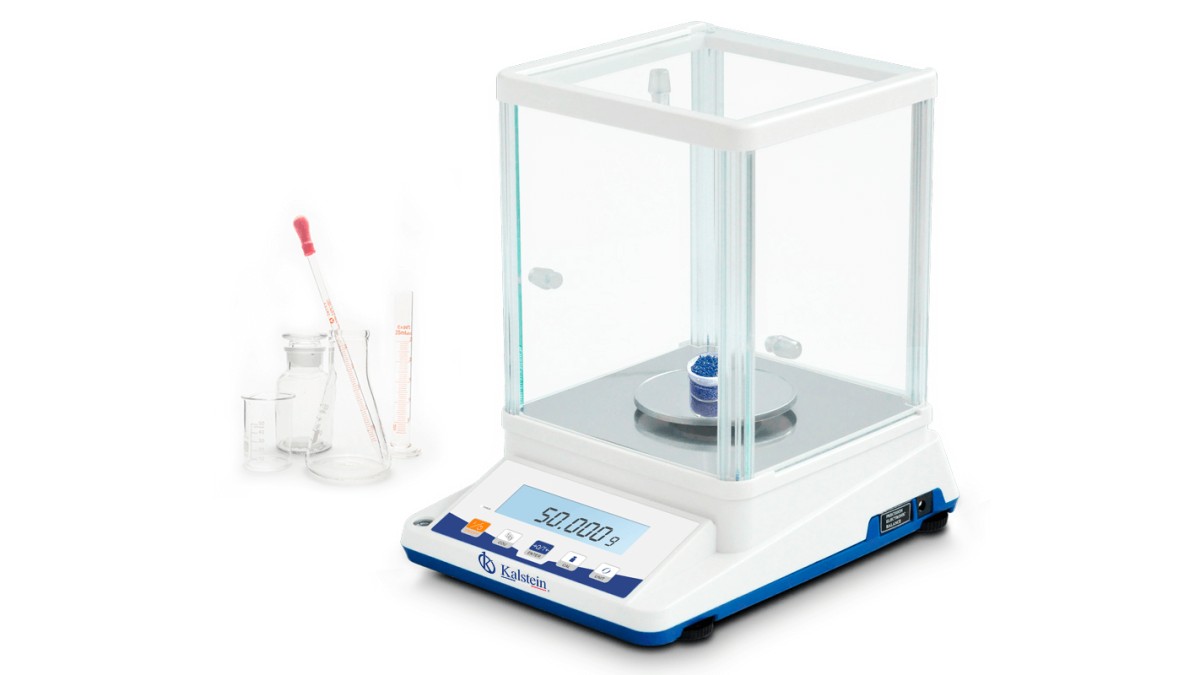
Precision Balances: Practical Applications and Techniques 2026
Precision balances are vital tools in laboratories, allowing for accurate measurement of small masses. In 2026, their application extends across various fields including pharmaceuticals, research, and quality control. This article delves into the multifaceted uses, evolution, and best practices for precision balances.
What is it used for in 2026
Precision balances are used for a variety of applications in the laboratory setting. In 2026, they are indispensable for:
- Pharmaceutical formulation and quality assurance, ensuring precise measurement of active ingredients.
- Research and development, facilitating experiments that require exact weight measurements.
- Educational laboratories, teaching principles of mass measurement and the importance of accuracy in scientific experiments.
- Food industry quality control, validating ingredient quantities for safety and compliance.
History and evolution of the technology
The evolution of precision balances dates back to the early scales used in ancient civilizations, where balance beams were utilized to compare weights. Over time, advancements in technology led to the development of electronic precision balances, which improved accuracy and ease of use. By 2026, modern precision balances incorporate features such as digital displays, automatic calibration, and connectivity options, making them essential tools in precise measurement.
How to use it step by step
Using a precision balance effectively involves following these steps:
- Preparation: Ensure the balance is placed on a stable, level surface away from drafts and vibrations.
- Calibration: Calibrate the balance according to the manufacturer's instructions, using certified weights.
- Taring: Place the container on the balance and use the tare function to zero the weight before adding the sample.
- Measurement: Add the sample gently and wait for the reading to stabilize.
- Recording: Document the measurement for future reference and ensure compliance with your laboratory's protocols.
Best techniques and protocols
To ensure accurate measurements, follow these best practices:
- Always calibrate the balance before use.
- Use appropriate containers to minimize errors.
- Avoid touching the weighing pan to prevent contamination.
- Allow the balance to warm up if it has been turned off for a while.
- Use draft shields to protect the sample from air currents during measurement.
Practical applications by laboratory type
Precision balances find applications across various laboratory types:
- Chemical Laboratories: For accurate ingredient measurements in chemical reactions.
- Biological Laboratories: In experiments involving cellular cultures and precise biological samples.
- Environmental Laboratories: In analyzing sample weights for environmental assessments.
- Manufacturing: Ensuring quality control in product formulation processes.
Regulations, standards and certifications
In 2026, precision balances must comply with various regulations and standards to ensure accuracy and reliability. Key certifications include ISO/IEC 17025 for testing and calibration laboratories, and guidelines set forth by organizations such as ASTM International and the Food and Drug Administration (FDA) for laboratory equipment used in drug manufacturing.
Comparison with alternative technologies
While precision balances are essential, other technologies such as analytical balances and scales serve similar purposes with different specifications. Analytical balances offer higher sensitivity and are designed for measurements of smaller masses, while regular scales may not provide the same level of precision. The choice of equipment depends on the specific measurement needs of the laboratory.
Comparison of available models
| Model | Best for | Key specs | Recommended use case |
|---|---|---|---|
| YR05584 | General laboratory use | Capacity: 110g, Readability: 0.001g | When high precision is crucial for small samples. |
| YR05585 | Quality control | Capacity: 210g, Readability: 0.001g | In applications where consistency in measurements is vital. |
| YR05586 | Research applications | Capacity: 310g, Readability: 0.001g | For experiments needing precise mass determination. |
| YR05587 | Pharmaceutical labs | Capacity: 610g, Readability: 0.001g | Effective for ingredient measurements in drug formulation. |
| YR05588 | Lightweight applications | Capacity: 210g, Readability: 0.01g | Best for weighing light materials or samples. |
| YR05589 | Basic laboratory tasks | Capacity: 310g, Readability: 0.01g | Ideal for educational purposes or simple measurements. |
Common mistakes and how to avoid them
Laboratory professionals often make mistakes when using precision balances. Here are common errors and how to avoid them:
- Ignoring calibration: Always calibrate before use to maintain accuracy.
- Placement issues: Ensure the balance is on a stable surface to prevent errors from vibrations.
- Not using the tare function: Always tare the balance before measuring to ensure the weight is of the sample only.
- Inadequate cleaning: Regularly clean the weighing pan to avoid contamination and cross-sample errors.
Maintenance, calibration and good practices 2026
To keep precision balances in optimal condition, regular maintenance is crucial:
- Perform routine calibration, ideally using certified weights.
- Keep the balance clean and dust-free for accurate readings.
- Store the balance properly when not in use, covering it to prevent dust accumulation.
- Check for updates in regulations or standards that may apply to your specific balance model.
Cost-benefit analysis 2026
Investing in precision balances can be justified through a cost-benefit analysis:
- Initial costs: Consider the purchase price and potential maintenance costs.
- Benefits: Enhanced accuracy leads to reduced material waste and improved outcomes in laboratory tests.
- Long-term savings: Investing in high-quality balances can lead to better efficiency and productivity in laboratory processes.
Frequently asked questions
What types of samples can be measured using precision balances?
Precision balances can measure a wide range of samples, including solids, liquids, and powders, making them versatile for various laboratory applications.
How often should I calibrate my precision balance?
It is recommended to calibrate your precision balance at least once a month or before critical measurements to ensure accuracy.
Can I use a precision balance for more than just weighing?
Yes, many precision balances feature functions like counting and unit conversion, enhancing their functionality in laboratory tasks.
What should I do if my balance gives inconsistent readings?
Check the calibration, ensure the balance is level, and inspect for any debris on the weighing pan. If issues persist, consult with the manufacturer for technical support.
Are there specific regulations regarding precision balances?
Yes, precision balances must adhere to various regulations, including those from ISO and FDA, depending on their application in research and manufacturing.
How can I improve measurement accuracy using a precision balance?
Utilize draft shields, ensure proper calibration, and minimize external factors such as vibrations or air currents that may affect measurements.
Where can I request a quote for precision balances?
You can request a quote on precision balances directly through our website, where our team will assist you with your needs.
If you are looking for a fusion of innovation and quality, you have come to the right place. At Kalstein, we offer you the luxury of exploring our exclusive catalog of laboratory equipment. We manufacture every device to the highest standards of excellence. Our intuitive and seamless online purchasing channels are designed for your convenience, securing the most competitive prices. Hesitate no longer — we bring science to life, it is time to become part of our community.