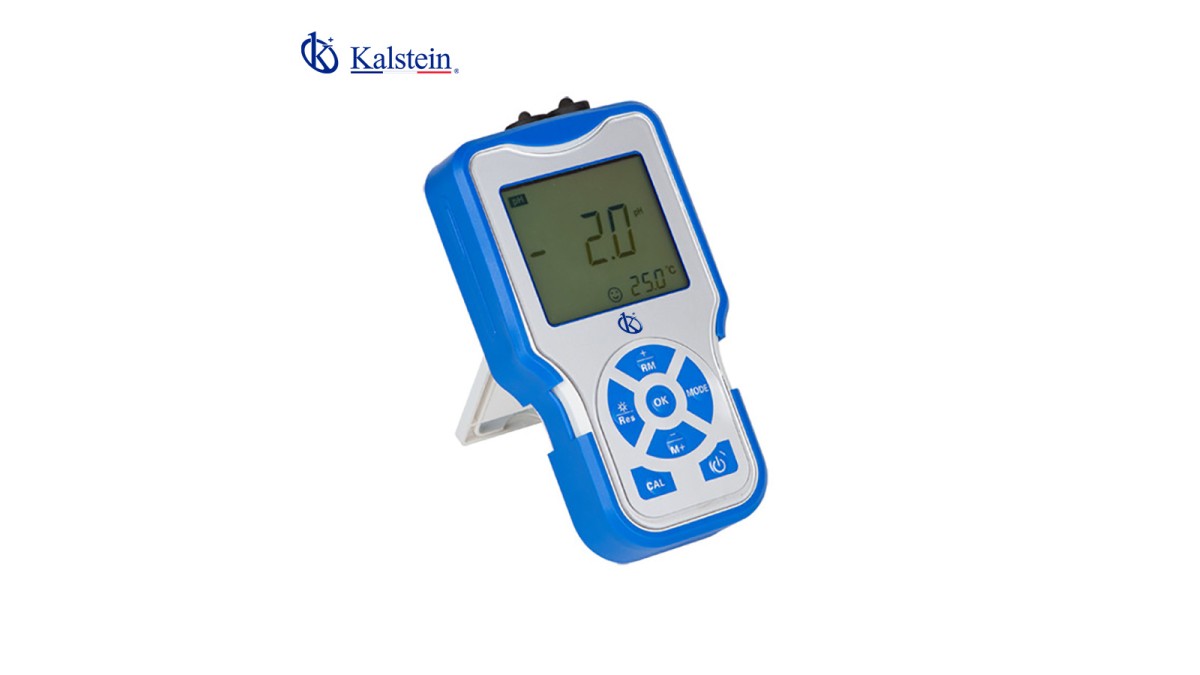
Portable Ion Meters: Practical Applications and Techniques 2026
In laboratories across various industries, the ability to measure ion concentrations accurately is crucial. Portable ion meters have emerged as essential tools for professionals who require precise measurements on the go. This guide aims to explore the practical applications, usage techniques, and best practices for portable ion meters in 2026.
What is it used for in 2026
In 2026, portable ion meters are used in multiple fields including environmental monitoring, agriculture, food safety, and academia. These devices allow users to measure the concentration of specific ions in liquids, such as pH levels, ammonium ions, and other crucial parameters, ensuring compliance with safety and quality standards.
History and evolution of the technology
The evolution of ion measurement technology has seen significant advancements over the past few decades. Initially, laboratory methods were cumbersome and time-consuming, but the advent of portable ion meters transformed how measurements are taken. From bulky devices to compact, user-friendly meters, technology has evolved to provide real-time data and enhance accuracy in various applications.
How to use it step by step
Using a portable ion meter involves several straightforward steps:
- Prepare the Device: Ensure the meter is calibrated according to the manufacturer’s specifications.
- Sample Collection: Collect the liquid sample in a clean container to avoid contamination.
- Insert Electrode: Immerse the electrode in the sample liquid up to the recommended depth.
- Take Measurement: Wait for the reading to stabilize and record the results.
- Clean the Electrode: Rinse the electrode with distilled water after use to maintain accuracy.
Best techniques and protocols
To ensure the best results when using portable ion meters, consider the following techniques:
- Regularly calibrate the device using standard solutions to maintain measurement accuracy.
- Use appropriate cleaning solutions for the electrode to prevent buildup of residues.
- Store the electrode in a proper solution to keep it hydrated when not in use.
Practical applications by laboratory type
Different laboratories employ portable ion meters for varied applications:
- Environmental Labs: Monitoring water quality in rivers and lakes, measuring pollutants.
- Agricultural Labs: Soil testing for nutrient management and crop optimization.
- Food Safety Labs: Ensuring compliance with health regulations by testing food samples.
Regulations, standards, and certifications
In 2026, adherence to regulations and standards is critical when using portable ion meters. Laboratories must comply with ISO standards for testing and calibration to ensure measurements are reliable and consistent. Certification from recognized bodies can enhance credibility and ensure quality assurance.
Comparison with alternative technologies
Portable ion meters provide several advantages over traditional laboratory methods:
- Efficiency: Instant measurements improve workflow in fast-paced environments.
- Portability: Easy to transport, enabling on-site testing.
- Cost-Effectiveness: Reduced need for extensive setups and reagents.
Comparison of available models
| Model | Best for | Key specs | Recommended use case |
|---|---|---|---|
| YR01816 | Multi-parameter measurements | Precision: 0.5% F.S. | Ideal for laboratory and field measurements with various ions. |
| YR01817-1 | Ammonium ion concentration | Precision: 0.5% F.S. | Best suited for outdoor applications and environmental monitoring. |
| YR01817-10 | High accuracy ammonium ion measurements | Precision: 0.5% F.S. | For academic research and detailed soil testing. |
| YR01817-11 | Ammonium ions in various matrices | Precision: 0.5% F.S. | Suitable for food safety testing applications. |
| YR01817-12 | Ammonium ion analysis | Precision: 0.5% F.S. | Effective for agricultural labs and soil analysis. |
| YR01817-13 | Professional quality ammonium monitoring | Precision: 0.5% F.S. | Ideal for comprehensive environmental surveys. |
Common mistakes and how to avoid them
Laboratory professionals often make mistakes when using portable ion meters. Here are common pitfalls and how to avoid them:
- Inadequate Calibration: Always ensure the device is calibrated before use.
- Improper Cleaning: Clean the electrodes regularly to prevent contamination.
- Ignoring Temperature Effects: Be aware that temperature can affect readings; consider temperature compensation where applicable.
Maintenance, calibration and good practices 2026
To maintain portable ion meters in optimal condition, follow these guidelines:
- Calibrate your device regularly using standard buffer solutions.
- Store electrodes according to manufacturer recommendations to avoid drying out.
- Perform routine checks for malfunction to ensure accuracy in measurements.
Cost-benefit analysis 2026
Investing in portable ion meters in 2026 can yield significant benefits:
- Cost savings on reagents and lab supplies.
- Increased efficiency reduces time spent on measurements.
- High accuracy helps in compliance and reduces risk of penalties.
Frequently asked questions
What factors should I consider when choosing a portable ion meter?
Consider factors such as measurement range, accuracy, ease of use, and specific ion capabilities. Evaluate your laboratory's needs to select the best model.
Can portable ion meters be used for different types of ions?
Yes, many portable ion meters are designed to measure multiple types of ions, making them versatile tools for various applications.
How often should I calibrate my portable ion meter?
It is advisable to calibrate your portable ion meter daily or before each measurement session, depending on the frequency of use and the specific requirements of your application.
What are the most common mistakes made when using portable ion meters?
Common mistakes include inadequate calibration, improper electrode cleaning, and neglecting temperature effects on readings.
How can I extend the lifespan of my portable ion meter?
Regular maintenance, including calibration and proper storage of electrodes, can extend the lifespan of your portable ion meter significantly.
Is it necessary to use standard solutions for calibration?
Yes, using standard solutions helps ensure the accuracy and reliability of your measurements, which is critical for compliance with quality standards.
Where can I request a quote for portable ion meters?
You can easily request a quote for portable ion meters by contacting our team through our online platform.
If you are looking for a fusion of innovation and quality, you have come to the right place. At Kalstein, we offer you the luxury of exploring our exclusive catalog of laboratory equipment. We manufacture every device to the highest standards of excellence. Our intuitive and seamless online purchasing channels are designed for your convenience, securing the most competitive prices. Hesitate no longer — we bring science to life, it is time to become part of our community.